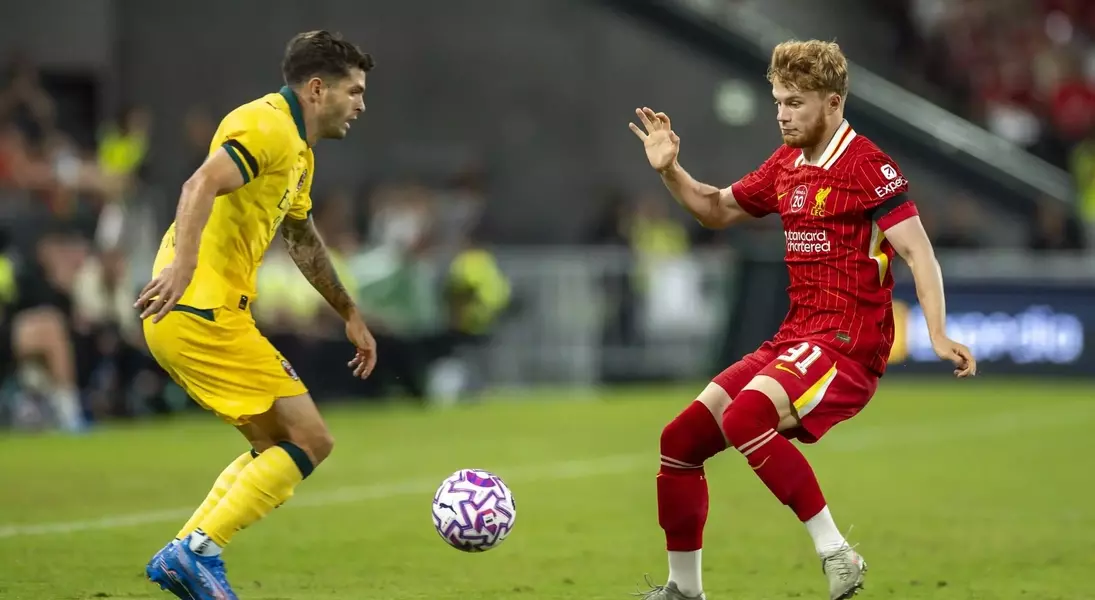
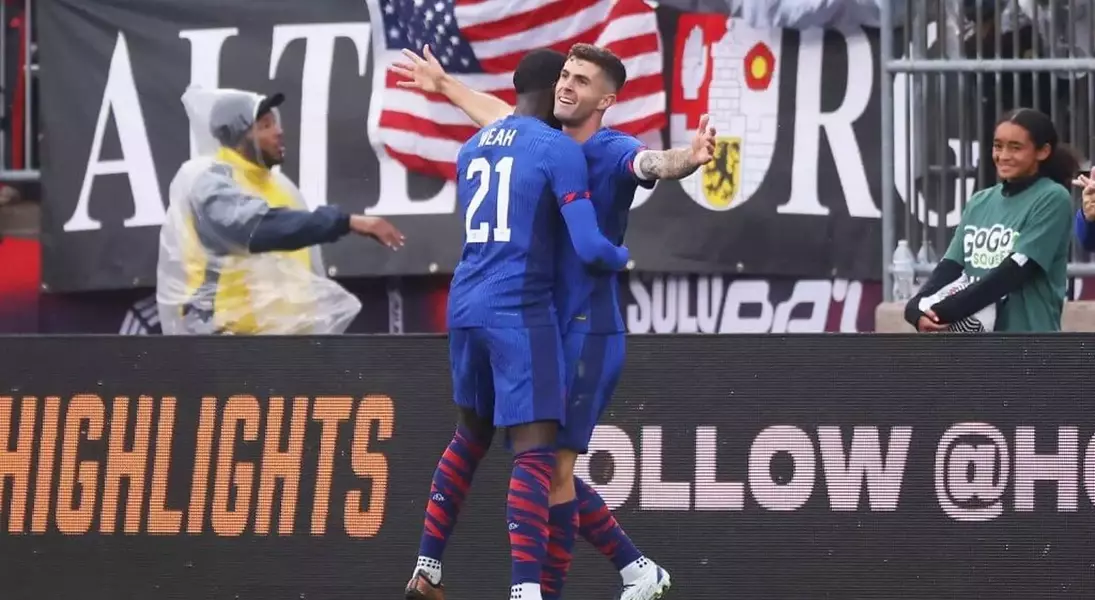
A recently released documentary focusing on Christian Pulisic, alongside commentary from his father Mark Pulisic and teammate Tim Weah, has intensified a simmering dispute between active and retired members of the U.S. Men's National Team. This docuseries has brought to light the frustrations of current players regarding the perceived negativity and armchair criticism from former national team figures who have transitioned into media roles. The heightened tensions, which initially surfaced following recent team setbacks, underscore a significant divide within the American soccer community regarding team performance, commitment, and the role of public commentary.
The documentary features interviews where Christian Pulisic dismisses criticisms about the team's heart and effort as baseless, labeling such remarks as convenient excuses. Echoing this sentiment, Tim Weah directly challenges former players-turned-pundits, suggesting their motives are driven by financial gain and accusing them of hypocrisy. He pointedly notes the irony of these individuals, who once navigated similar pressures, now publicly disparaging the current squad. Mark Pulisic, Christian’s father, further fuels the discussion by attributing the critics’ actions to a pursuit of online engagement and media attention, emphasizing their desire for 'clicks' and channel subscriptions.
This renewed verbal conflict traces back to a series of losses suffered by the USMNT earlier in the year, which prompted strong reactions from prominent former players such as Landon Donovan and Clint Dempsey. These figures, now influential media personalities, openly voiced their disappointment, particularly questioning the dedication of the current team. Donovan, for instance, expressed his exhaustion with the constant focus on the team’s talent without commensurate effort, urging players who lacked commitment to decline national team invitations. The younger generation, represented by Weah, acknowledges the legacy of these past players but challenges their right to criticize, particularly given their own historical lack of major international victories. Weah even asserts that Pulisic’s career achievements surpass those of many who now critique him.
Mark Pulisic had previously contributed to the friction through social media, implicitly responding to Donovan’s remarks. In the docuseries, he suggests that former players should reflect on their own past performances before offering harsh judgments, implying their criticism stems from jealousy towards Pulisic's success. He asserts that Pulisic remains unfazed by such negativity. A significant point of contention arose when Christian Pulisic opted out of the Concacaf Gold Cup, drawing sharp criticism from Donovan, who publicly expressed his frustration over players prioritizing vacation over national team duties.
In response to this, Pulisic defended his decision in earlier interviews and reiterated his stance in the docuseries. He expressed deep annoyance at any questioning of his commitment to the national team, viewing it as an unfair and personal attack. While he welcomes critiques of his on-field performance, he finds the questioning of his decade-long dedication to the national team deeply frustrating. He emphasizes the unseen battles and efforts made by the team, asserting that true understanding of their commitment would prevent such accusations.
The ongoing rift between the generations of USMNT players presents a unique challenge for American soccer media, particularly as the 2026 World Cup approaches. Tyler Adams, another current player, describes this disconnect as “the strangest thing,” expressing confusion over the sudden shift in narrative from support to harsh criticism following any team setback. He highlights that while media commentary is part of the sport, his focus remains on fostering a supportive environment within the team, where players feel empowered and unified in their goal of promoting soccer in America. However, Adams’ comments themselves have not gone unchallenged; former defender and pundit Alexi Lalas criticized his perspective as naive and immature, advocating for open criticism within the sport. This enduring debate, momentarily quelled after the Gold Cup, is expected to intensify with the resumption of European league play and upcoming national team gatherings, signaling a continued struggle for unity and understanding within the ranks of U.S. soccer.
