
Professional football often witnesses dramatic shifts, particularly when star players express a desire to leave their clubs. This piece explores the challenging scenarios that arise when high-profile athletes attempt to orchestrate their exits, using recent events surrounding Alexander Isak and drawing illuminating comparisons with historical cases. These situations underscore the intricate balance of power, contractual commitments, and personal ambition within the world of elite sports. From players refusing to train to clubs holding firm on valuations, the outcomes of these high-stakes negotiations are rarely straightforward, often leaving a lasting impact on all parties involved. This comprehensive overview aims to shed light on the strategies employed by players and clubs during these contentious periods, offering a deeper understanding of the human and financial complexities at play.
Premier League Transfer Dramas: High-Stakes Player-Club Confrontations
In a gripping development just days before the Premier League season commences, sources close to Newcastle United confirmed that their prolific forward, Alexander Isak, is resolute in his decision to depart the club. Despite his impressive record of 62 goals in 109 appearances over three seasons, Isak reportedly views his tenure as concluded. However, Newcastle has unequivocally stated its intention to retain him, outright rejecting a substantial £110 million bid from Premier League champions Liverpool. This contentious situation leaves the football world speculating whether Isak will succeed in forcing a move, or if a reconciliation might occur, perhaps after the September 1st transfer deadline in this World Cup year. The current predicament mirrors several high-profile transfer sagas from recent history, each offering unique insights into the delicate interplay between player ambition and club authority.
A critical factor in Isak's leverage, or lack thereof, is his contract, which ties him to Newcastle until the conclusion of the 2027-28 season. This mirrors the challenge faced by Tottenham Hotspur's then-striker Harry Kane four years prior. Kane, seeking a move to Manchester City after Tottenham's failure to secure Champions League football in the 2021-22 season, believed he had a 'gentleman's agreement' allowing his departure for a suitable offer. However, with three years remaining on his contract, Spurs' chairman Daniel Levy demanded a minimum of £150 million, ultimately thwarting the move despite Kane's efforts to gain leverage by delaying his pre-season return. Kane eventually remained at Tottenham, playing two more pivotal seasons before his eventual transfer to Bayern Munich in the summer of 2023.
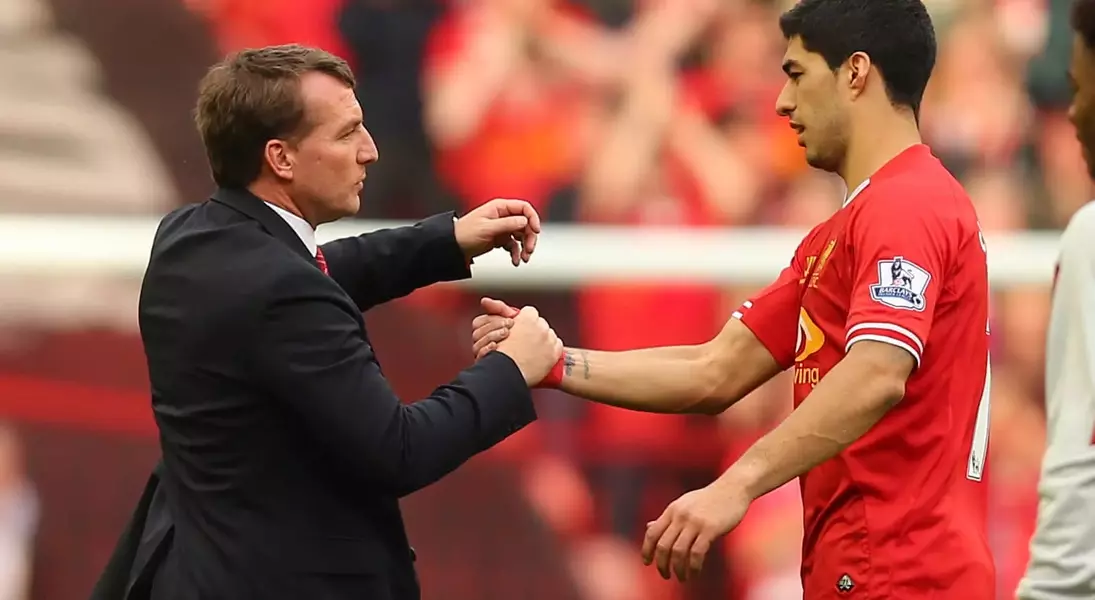
Another striking parallel can be drawn with Luis Suarez's standoff with Liverpool in 2013. Isak reportedly informed Newcastle last year that the 2024-25 season would be his last, a claim disputed by the club, who believed discussions would revolve around a contract extension. Similarly, Suarez contended that then-manager Brendan Rodgers had promised his release if Liverpool failed to qualify for the 2013-14 Champions League. Following an offer of £40,000,001 from Arsenal, which incorrectly assumed a release clause, Suarez was isolated from pre-season training. It was the crucial intervention of captain Steven Gerrard that ultimately brokered peace, convincing the Uruguayan to stay. Suarez subsequently enjoyed a phenomenal season, being named Premier League Player of the Year before joining Barcelona in July 2014.
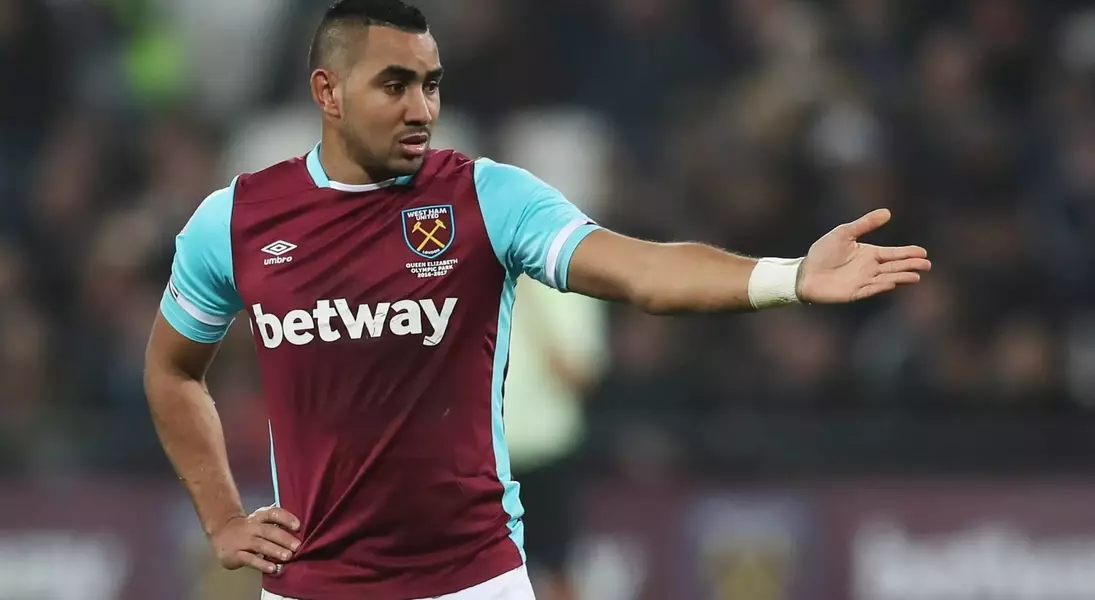
The most extreme form of player protest, a refusal to train, has been employed by some, with varying degrees of success. In 1998, Nottingham Forest's Pierre van Hooijdonk notoriously refused to return for pre-season, citing the club's perceived lack of investment. Despite his eventual return in November, his relationship with teammates and manager Dave Bassett was severely strained, though he still contributed six goals before moving to Vitesse Arnhem. A more irreconcilable break occurred with Dimitri Payet at West Ham United in 2017. Despite a stellar debut season that earned him West Ham's Player of the Year award, Payet initiated a strike, refusing to train or play, leading to his banishment from first-team activities. West Ham ultimately accepted a £25 million bid from Marseille, underscoring that even a 'world-class' player under a long contract can force a move through sheer will.
Finally, the career trajectory of young forward Saido Berahino serves as a cautionary tale. His relationship with West Bromwich Albion, his boyhood club, irrevocably fractured during the 2015 summer transfer window. Despite scoring 20 goals in the 2014-15 season, and Tottenham Hotspur's strong interest, West Brom chairman Jeremy Peace refused to sell, even after Berahino's transfer request. The saga culminated in a public declaration by Berahino that he would never play for Peace again. Though he later apologized and did return to play, his career at West Brom never recovered, leading to moves to Stoke City, Sheffield Wednesday, and various international clubs. His struggles highlight how a failed transfer can significantly derail a promising career, demonstrating the profound psychological impact of such disputes on a player's long-term performance and well-being.
These compelling narratives of player-club standoffs offer a profound reflection on the human element within the high-stakes realm of professional football. As a journalist covering these events, one is constantly reminded that beneath the stratospheric transfer fees and contractual complexities lie individuals with aspirations, frustrations, and often, a deep-seated desire for career progression. The outcomes, whether a forced move, a strained reconciliation, or a career derailment, serve as critical lessons for both players and clubs. It underscores the importance of transparent communication, clear contractual agreements, and perhaps, a deeper understanding of the psychological toll these protracted disputes can take. Ultimately, these sagas remind us that even in a multi-billion-dollar industry, the personal ambitions and well-being of the players remain a central, often volatile, force shaping the game's landscape.
