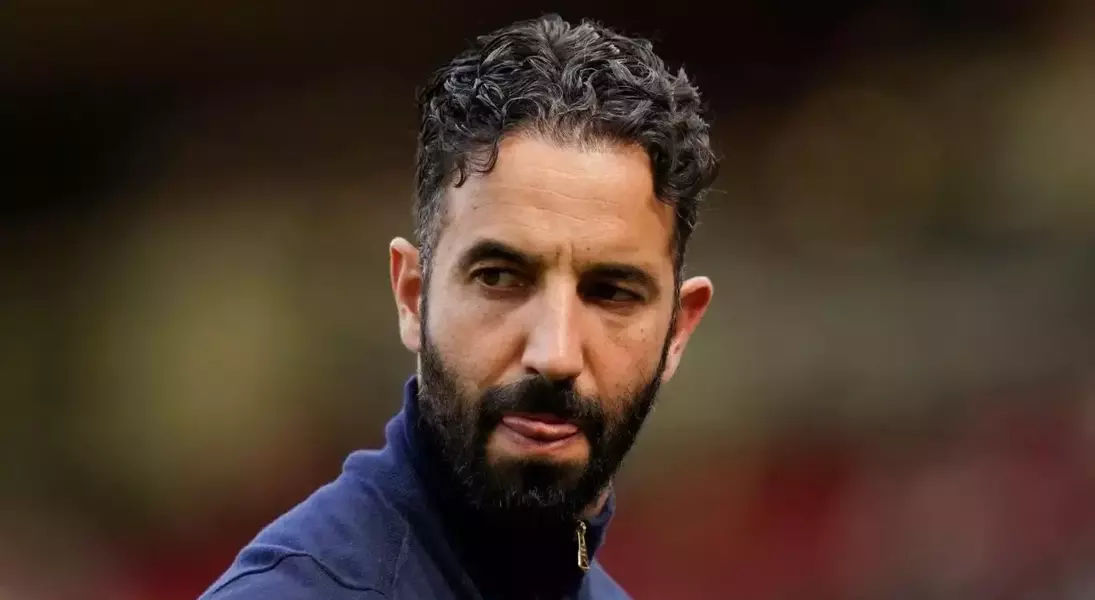
Manchester United is navigating a complex transfer landscape, with manager Ruben Amorim prioritizing a new central midfielder. The club's initial pursuit of Brighton's Carlos Baleba has hit a snag due to an exorbitant asking price, prompting a shift in focus towards Southampton's promising talent, Mateus Fernandes. This strategic pivot highlights United's determination to strengthen their squad, even after a summer of considerable investment in new players.
Manchester United's Shifting Transfer Targets
In the bustling summer transfer period, Manchester United finds itself actively seeking to bolster its midfield, a critical area for the upcoming season. Manager Ruben Amorim had initially set his sights on Carlos Baleba, the dynamic midfielder from Brighton. However, recent developments indicate that Brighton's valuation of Baleba, reportedly soaring past £100 million, has made a deal increasingly improbable for the Red Devils. This substantial asking price, a testament to Brighton's shrewd negotiation tactics, has effectively put a halt to United's primary pursuit. As a result, Amorim is now reportedly directing his attention towards Mateus Fernandes, the talented 21-year-old Portuguese midfielder from Southampton. Fernandes, who impressed in his debut Premier League season despite Southampton's relegation, has garnered significant admiration from Amorim, who is said to be a staunch supporter of his compatriot. This strategic shift comes as United seeks to finalize its transfer dealings before the window concludes on September 1st, aiming to add both a goalkeeper and a central midfielder to their ranks. The club has already made significant investments this summer, securing Matheus Cunha for £62.5 million, Bryan Mbeumo for £65 million, Benjamin Sesko for £74 million, and Diego Leon for £7 million, underscoring their commitment to squad enhancement.
From a journalist's perspective, this unfolding transfer saga illuminates the intricate dance between ambition and financial prudence in modern football. Manchester United's willingness to pivot from a high-profile target like Baleba to an equally promising, yet potentially more accessible, player like Fernandes demonstrates a pragmatic approach. It underscores the challenges top clubs face in a highly inflated transfer market, where even clubs with significant financial backing must carefully weigh their options. The enthusiasm of a manager like Amorim for a specific player, such as Fernandes, can often be the crucial catalyst in navigating these complex negotiations, showcasing the personal touch that still influences large-scale professional sports. This ongoing narrative offers a fascinating glimpse into the strategic machinations behind the scenes of elite football, emphasizing that successful recruitment is not merely about spending big, but spending smartly and adapting to the ever-changing market dynamics.
