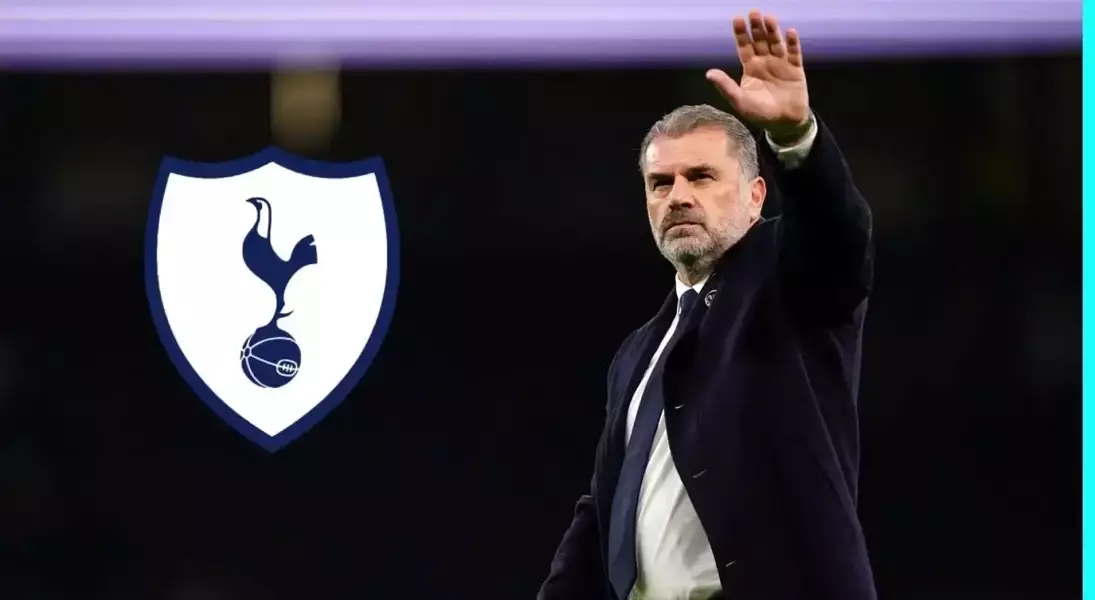
Former Tottenham manager Harry Redknapp has voiced strong disapproval regarding Ange Postecoglou's management at the club, particularly after Spurs concluded a season in 17th position. Redknapp asserted that such a lowly finish was \"disgraceful,\" drawing a stark contrast with his own dismissal despite guiding the team to a fourth-place standing. While acknowledging Postecoglou's Europa League victory, he downplayed its significance, particularly when compared to the caliber of teams typically competing in the Premier League. This perspective highlights a broader debate on managerial success and the inherent value of different footballing achievements.
Redknapp's critique extended to a direct comparison between Postecoglou's brief period in charge and Mauricio Pochettino's impactful tenure. Pochettino, despite not securing a trophy, led Tottenham to consistent top-four finishes and, notably, to the Champions League final in 2019. Redknapp regards this Champions League final appearance as a far more impressive accomplishment than a Europa League triumph. He articulated his belief that reaching the pinnacle of European club football demands a higher level of managerial prowess and team performance than winning Europe's secondary competition, despite the prestige an English club might attribute to winning any silverware.
Reflecting on his own time at Tottenham from October 2008 to June 2012, Redknapp successfully steered the club to its inaugural Champions League qualification in its rebranded format. His team's most notable European run occurred during the 2010-11 season, where they topped a challenging group that included Inter Milan. They subsequently defeated AC Milan in the Round of 16 before their journey concluded in the quarter-finals against Real Madrid. This historical context underscores Redknapp's deep understanding of the club's ambitions and European pedigree.
The commentary from Redknapp serves as a pointed assessment of Postecoglou's short-lived role, suggesting that while a trophy might be a tangible outcome, the overall performance and strategic direction of the club under his leadership left much to be desired. It implicitly questions whether securing a less prestigious cup justifies a poor league campaign, especially when viewed against the backdrop of the club's recent history of high-level competition under previous managers.
Ultimately, Redknapp's comments underscore the intense scrutiny and high expectations placed on managers at top-tier football clubs. His strong opinions regarding the comparative value of different competitions and the importance of league performance versus cup success offer a veteran's perspective on the complexities of football management and the pathways to genuine club achievement.
