
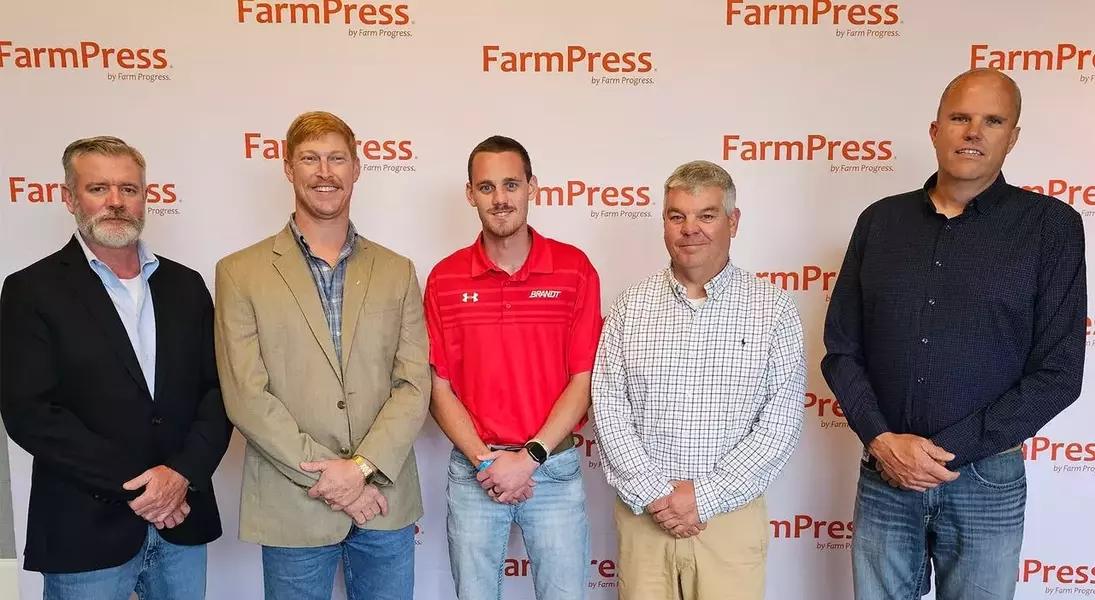


Leading peanut cultivators, honored with the prestigious Peanut Efficiency Award, advocate for a nuanced approach to farm management, asserting that mere cost reduction is antithetical to maximizing output. They stress that achieving impressive yields hinges on meticulous attention to detail and efficient resource deployment. This perspective challenges conventional wisdom, suggesting that sacrificing critical inputs for short-term savings ultimately undermines long-term productivity and financial success. Their insights, shared during a recent industry gathering, highlight the intricate relationship between investment, operational precision, and optimal agricultural results.
These award-winning farmers emphasize that sustained profitability in peanut cultivation is not achieved through indiscriminate budget cuts. Instead, it demands a strategic allocation of resources, focusing on timely interventions and precise application of necessary elements for crop development. Their shared experiences underscore the importance of proactive management and a deep understanding of crop needs, reinforcing the idea that efficiency in farming translates to doing things right at the right time, rather than doing less. This philosophy stands as a testament to their success in navigating the challenging economic landscape of modern agriculture.
Strategic Investment, Not Cost-Cutting
For elite peanut growers, the path to prosperity is paved not with indiscriminate expense reduction, but with shrewd, targeted investments. They firmly believe that attempting to trim costs without considering the impact on crop vitality is a self-defeating endeavor. Any minor financial relief gained from such cuts is quickly overshadowed by a significant decline in yield, which is the ultimate determinant of profitability. Their strategy is centered on providing the peanut crop with precisely what it requires, when it needs it, ensuring robust growth and bountiful harvests. This patient and methodical approach stands in stark contrast to reactive cost-cutting measures that can jeopardize an entire season's output.
The core philosophy among these leading farmers is that a healthy, high-yielding peanut crop demands sustained and intelligent investment. They articulate that even seemingly small cuts in essential inputs can have disproportionately large negative effects on overall productivity. For instance, skipping a crucial application of a nutrient or pest control measure might save a few dollars per acre, but if it leads to a substantial reduction in the final yield, the net financial outcome is undeniably detrimental. This perspective highlights the interconnectedness of various farming practices and inputs, emphasizing that a holistic view, prioritizing the well-being and productivity of the crop, is paramount. Success, they argue, is born from making necessary expenditures that directly contribute to increased volume and quality, thereby driving superior returns. It's about optimizing the return on investment in every aspect of cultivation, rather than simply minimizing outlay.
Precision Farming and Tillage Strategies
Achieving superior peanut yields is intricately linked to diligent management and operational precision, according to the Peanut Efficiency Award laureates. They advocate for a proactive approach, stressing that successful cultivation demands constant vigilance and timely execution of tasks. This attention to detail extends to every facet of the growing cycle, ensuring that the crop receives optimal care and resources precisely when needed. Furthermore, their discussion reveals diverse yet equally effective tillage practices, ranging from conventional methods that ensure clean fields to more conservative approaches that prioritize soil health, all tailored to specific regional conditions and farm objectives.
The successful growers underscore that complacency has no place in high-yield peanut farming. Their commitment to efficiency is driven by the inherent risks and narrow profit margins of the agricultural sector. For some, this translates into rigorous adherence to conventional tillage, a method favored for its efficacy in weed control and preparing a pristine seedbed, especially in regions with challenging soil types. Others integrate conservation tillage and cover cropping, aiming to enhance soil structure and fertility over the long term, even while acknowledging that conventional methods might offer slightly better immediate returns. This adaptability in tillage, combined with a relentless focus on efficiency in all operations—from planting to pest management—is a hallmark of their award-winning strategies, demonstrating that while methods may vary, the commitment to meticulous, timely, and responsive farming practices remains constant.
