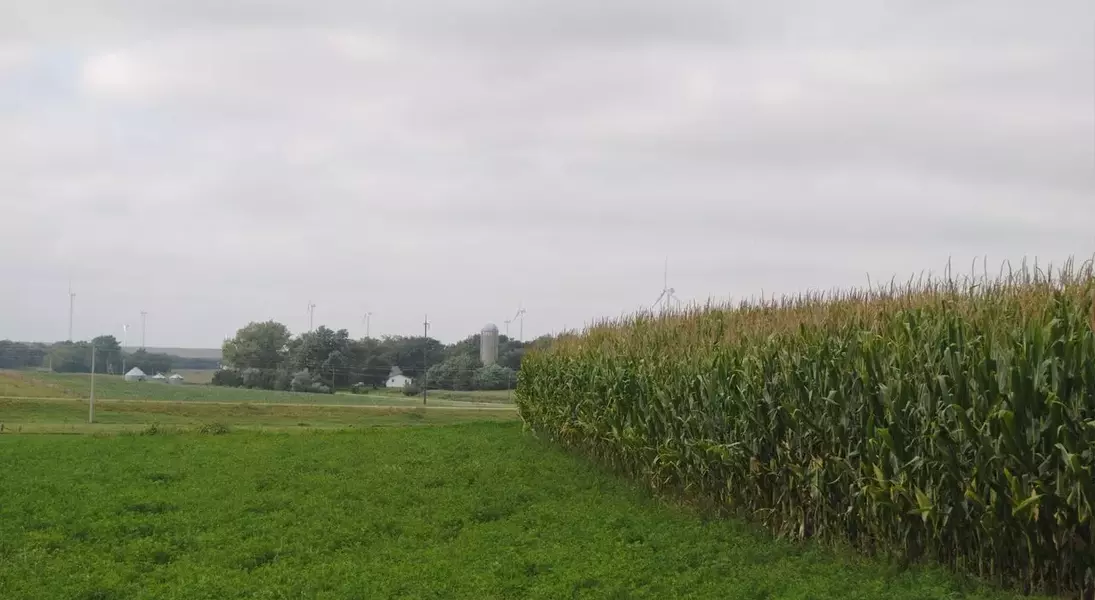
The agricultural real estate sector is currently defined by a notable scarcity of available parcels, a key factor in maintaining stable land values even as the corn market experiences uncertainty. This limited supply ensures that demand remains robust, cushioning prices against potential downward pressure from fluctuating crop markets. As a result, the market continues to see strong investment, particularly in highly productive regions across the Midwest. This scenario creates both opportunities for sellers, who can command premium prices, and challenges for buyers, who must contend with competitive bidding and limited choices.
Reports from various states, including Iowa, Illinois, and Missouri, consistently highlight this trend, with recent sales illustrating significant per-acre valuations for diverse land types, from highly tillable ground to parcels with development potential or conservation program enrollments. This ongoing stability in land prices, despite broader agricultural market dynamics, underscores the long-term value attributed to productive farmland. Looking ahead, a potential moderation in land prices might occur if corn market depression persists, leading to more properties coming onto the market in the fall, which could slightly ease the current tight supply. However, the fundamental appeal of agricultural land as a tangible asset is likely to sustain its value.
Midwestern Farmland Sales Overview
Recent transactions across key agricultural states such as Iowa, Illinois, and Missouri reveal a consistent pattern of strong land values, primarily driven by the prevailing scarcity of available farmland. This limited supply is a critical element in the market's current robustness, ensuring that properties, when they do become available, attract competitive bids. Even with fluctuations in the corn market, the intrinsic value of productive agricultural land continues to command high prices, reflecting its enduring appeal as an investment.
In Iowa's Harrison County, nearly 176 acres were sold across two tracts, with prices reaching up to $9,050 per acre, showcasing the premium placed on tillable land with good drainage and road access. Illinois saw sales in Greene and Sangamon Counties, with properties fetching as much as $19,100 per acre, particularly for land combining farming potential with proximity to amenities. Similarly, in Missouri's Pettis County, 57 acres with significant tillable area sold for $8,200 per acre. These sales exemplify the market's strength, where land with diverse attributes, from irrigation capabilities to development potential, maintains high valuations.
Market Stability and Future Outlook
The current market's stability is largely attributed to the sustained shortage of available land. This fundamental imbalance between supply and demand is a powerful force, allowing land prices to remain firm even amidst broader economic uncertainties or shifts in commodity markets. Investors and farmers alike view agricultural land as a tangible and long-term asset, which further contributes to its resilience against market downturns. The competitive landscape for acquisitions reflects this underlying confidence in farmland's value.
While current market conditions are favorable for sellers, potential changes in agricultural commodity prices, particularly in the corn market, could influence future trends. A prolonged period of depressed corn prices might lead to more land becoming available for sale, potentially easing the current scarcity and moderating price increases. However, any such adjustments are likely to be gradual, as the inherent value and limited nature of prime agricultural land will continue to underpin its price. Thus, the market is expected to remain robust, albeit with an eye on the broader agricultural economy's performance.
