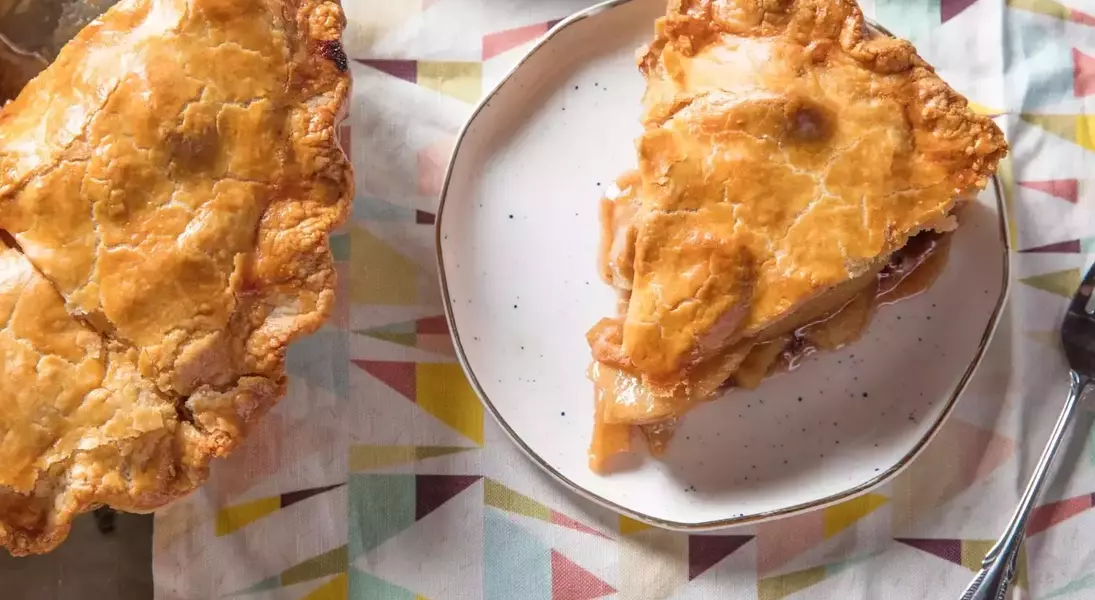
Harnessing the power of fruit maceration offers a transformative approach to crafting exceptional apple pies. This method simplifies the baking process by extracting liquid from the apples, negating the need for time-consuming pre-cooking steps. The result is a lusciously thick filling without compromising the tender texture of the fruit, all while ensuring a perfectly flaky crust.
By selecting the right apples and incorporating a small amount of tapioca starch, this technique guarantees a consistently delightful pie, rich in flavor and satisfying in texture. It's an innovative way to achieve baking excellence with minimal effort and maximum reward.
The Maceration Advantage in Apple Pie Preparation
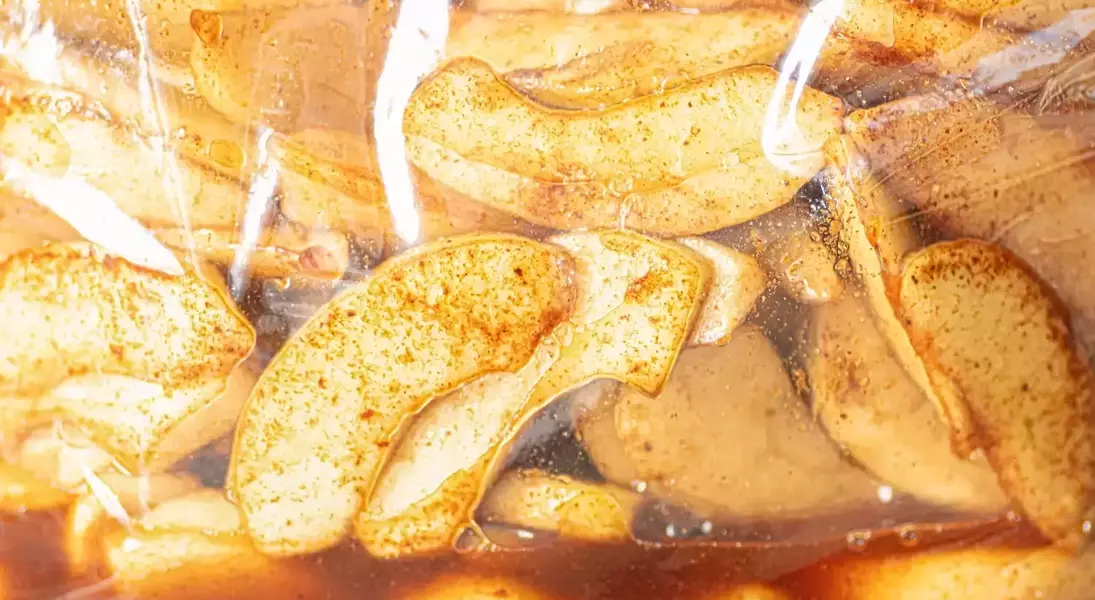
Macerating apples is a game-changer for pie enthusiasts, offering a streamlined path to a superior dessert. Unlike traditional methods that demand tedious pre-cooking of apples to tenderize them and prevent a watery pie, maceration achieves both goals effortlessly. By simply combining sliced apples with brown sugar and spices in a sealed environment, the natural osmotic process draws out excess moisture, concentrating the fruit's flavors into a rich, sweet syrup. This not only saves valuable time and simplifies cleanup but also safeguards the apples' texture, ensuring they remain firm yet tender after baking, avoiding the dreaded mushy outcome.
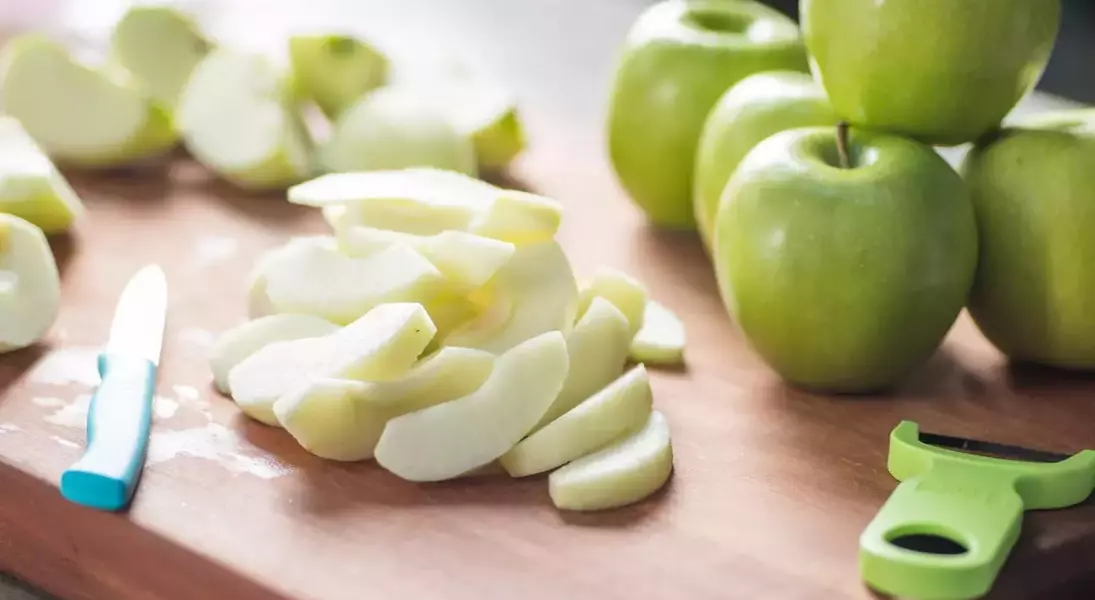
This innovative approach eliminates the need for constant supervision during cooking, as the apples gently release their juices over time. The uniform slicing of apples is crucial for even moisture release, creating a consistent base for the filling. The resulting spiced syrup, infused with the essence of brown sugar, forms a concentrated flavor bomb that contributes significantly to the pie's overall depth. Furthermore, the addition of a small amount of tapioca starch effectively thickens this flavorful liquid, ensuring a perfectly saucy, never runny, filling that beautifully complements the golden, flaky crust.
Crafting the Ideal Apple Pie Filling
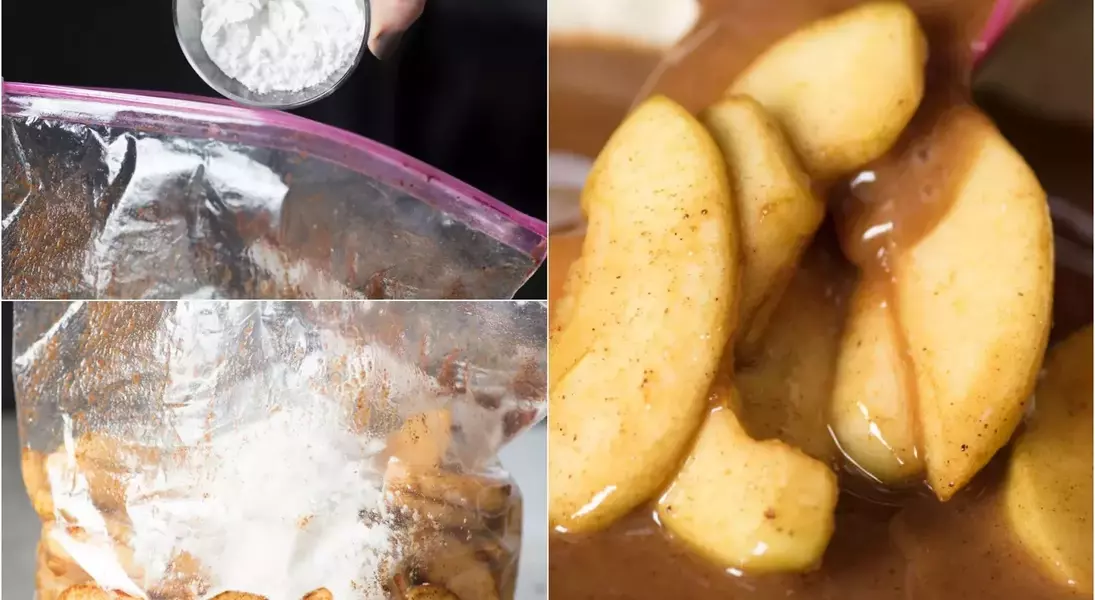
Transforming macerated apples into a sublime pie filling is a straightforward process that culminates in a thick, flavorful, and perfectly textured dessert. After the maceration period, when the apples have yielded their tart, spiced juices, the next critical step is to incorporate tapioca starch. This natural thickener is invaluable for absorbing any remaining excess liquid, guaranteeing that the pie filling achieves a desirable, rich consistency without becoming overly gelatinous. The key is to add the starch only after the apples have fully released their moisture, allowing for even distribution and optimal thickening. A precise measurement of about one ounce of tapioca starch per four and a half pounds of apples is ideal to strike the perfect balance between sauciness and firmness.
The choice of apple variety is paramount for a successful pie. Opting for a single type of apple, particularly a tart one like Granny Smiths, is highly recommended. These apples possess high pectin levels, which help them maintain their structural integrity during baking, contributing to a stable and appealing filling. Blending various apple types can lead to uneven cooking and inconsistent textures due to differing breakdown rates and moisture release. By adhering to a single, firm apple variety, bakers can consistently achieve a robust, flavorful, and beautifully textured apple pie that stands as a testament to the simplicity and effectiveness of the maceration technique.
