

Grapes, those versatile berries gracing our tables and vineyards, are far more than mere fruit; they represent a rich tapestry of flavors, textures, and culinary possibilities. From the sweet, crisp varieties perfect for a snack to the intensely flavored grapes destined for winemaking, their diversity is astounding. This exploration into the world of grapes unveils the nuanced differences between types, guiding you through popular selections and offering insights into how these delightful globes make their way from vine to table, and sometimes, to bottle.
Understanding grapes involves appreciating their origins, cultivation, and the distinct characteristics that make each variety unique. Whether you prefer the convenience of seedless options, the nostalgic taste of Concord, or the sophisticated profile of wine grapes, there's a grape for every palate and purpose. Furthermore, mastering the art of selecting, preserving, and incorporating grapes into your diet can elevate everyday meals and entertaining, demonstrating their indispensable role in both casual and gourmet settings.
The Diverse World of Table Grapes
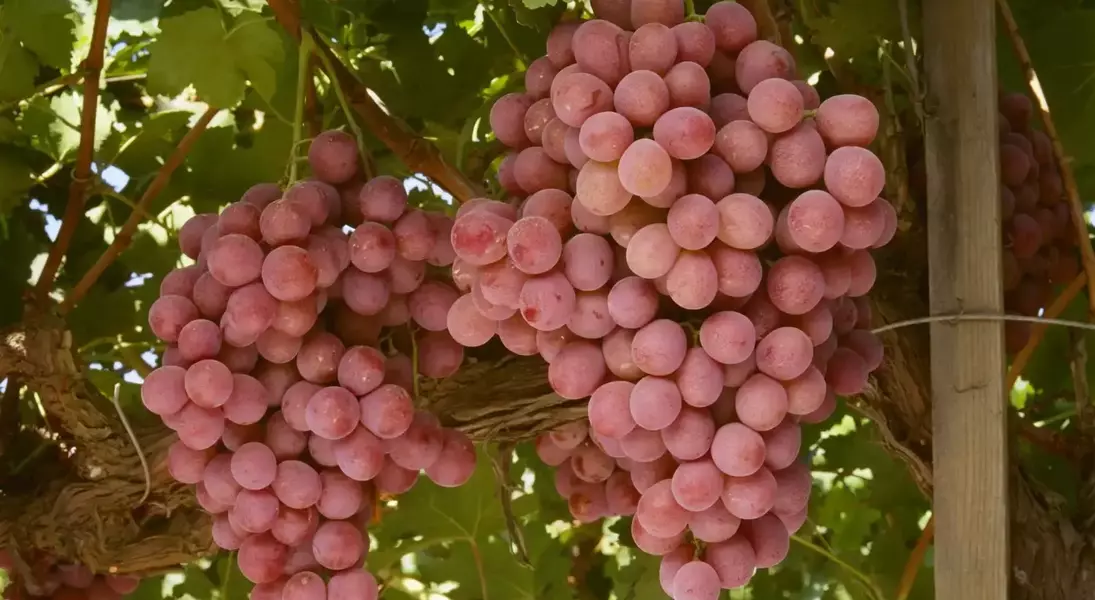
Table grapes, primarily belonging to the Vitis vinifera or Vitis labrusca genera, are cultivated for fresh consumption, offering a convenient and healthy snack. Most modern varieties found in supermarkets are seedless, designed for ease of eating. These "seedless" grapes technically contain underdeveloped, imperceptible seeds, a characteristic that differentiates them from their seeded counterparts. The focus for table grape growers, particularly in regions like California's Southern San Joaquin Valley, is on achieving a perfect balance of sweetness and texture, which thrives in hot, dry climates with warm nights.
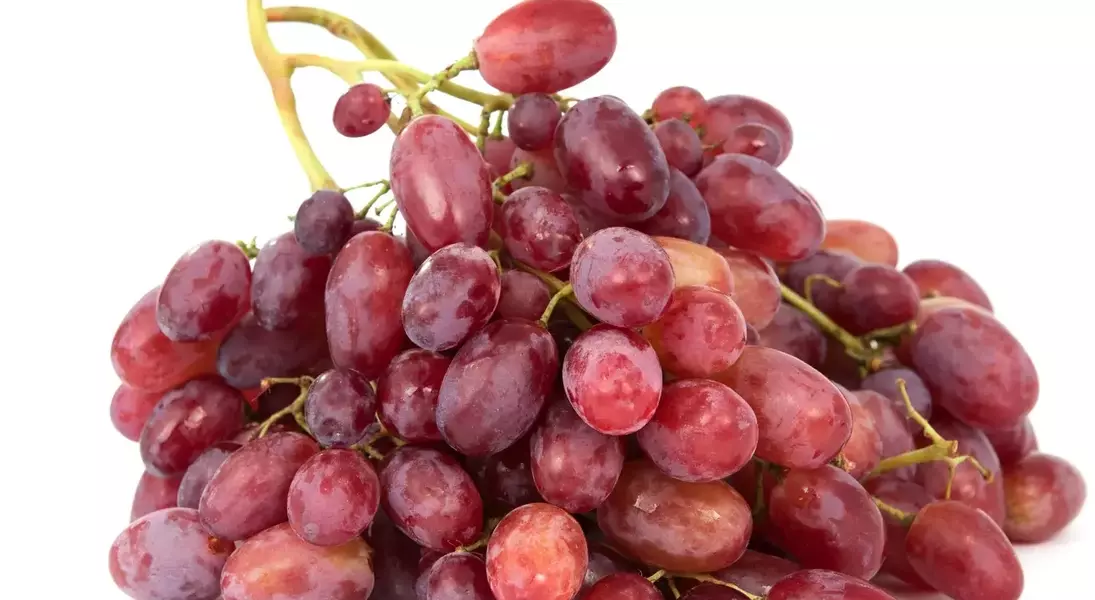
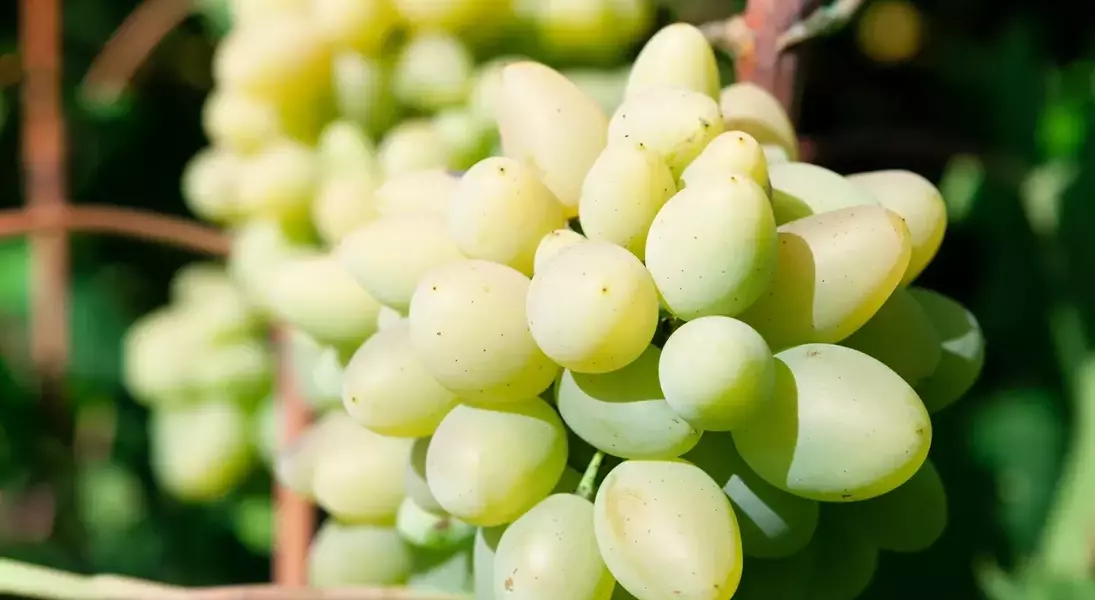
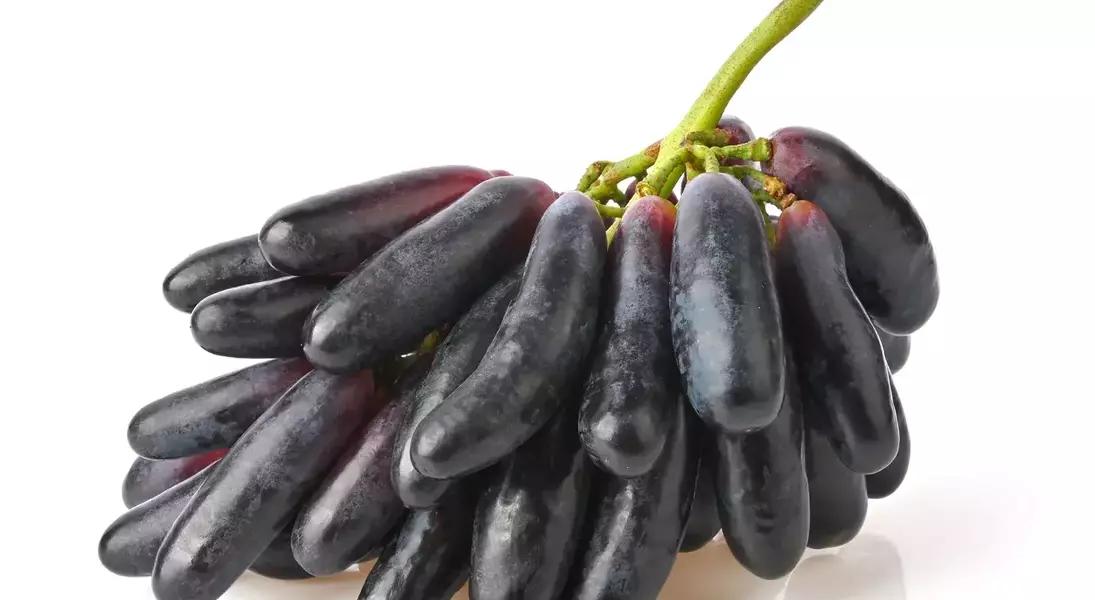
Among the myriad of table grape varieties, several stand out for their widespread popularity and distinct appeal. Thompson Seedless and Crimson Seedless are ubiquitous, known for their mild sweetness and crisp texture, making them ideal for snacking and inclusion in salads. Specialty grapes, like the famously sweet Cotton Candy, offer unique flavor profiles that captivate consumers. Other notable varieties include the striking, oblong Moon Drops (formerly Witch Fingers), celebrated for their intense sweetness and firm bite, and the robust Autumn Royal grapes, recognized for their large size and complex flavor. These varied options ensure that there is always a grape to suit any preference or culinary need.
Distinguishing Table Grapes from Wine Grapes
The distinction between table grapes and wine grapes lies fundamentally in their intended use and the characteristics growers prioritize. Table grapes are cultivated to be enjoyed fresh, emphasizing large size, crisp texture, and high sweetness with low acidity. Their primary role is to be a palatable, convenient fruit for direct consumption, often seen on cheese boards or as simple snacks. The ideal growing conditions for these grapes often involve a consistent, warm climate that maximizes sugar development and fruit size.
Conversely, wine grapes, which encompass hundreds of varieties globally, are grown for fermentation into wine, requiring a delicate balance of sugar, acidity, and complex flavors. They typically flourish in regions with significant diurnal temperature shifts—warm days and cool nights—which are crucial for developing the nuanced flavor compounds and maintaining the acidity essential for a well-structured wine. Unlike table grapes, wine grapes are generally smaller, thicker-skinned, and possess higher acidity, often containing prominent seeds. This composition is vital as the skins contribute tannins and color during the fermentation process, while acidity forms the "backbone" of the wine, preventing it from tasting overly sweet or flat. Thus, planting a Cabernet grape in a table grape region would result in fruit too sweet and lacking the necessary acidity for quality winemaking.
