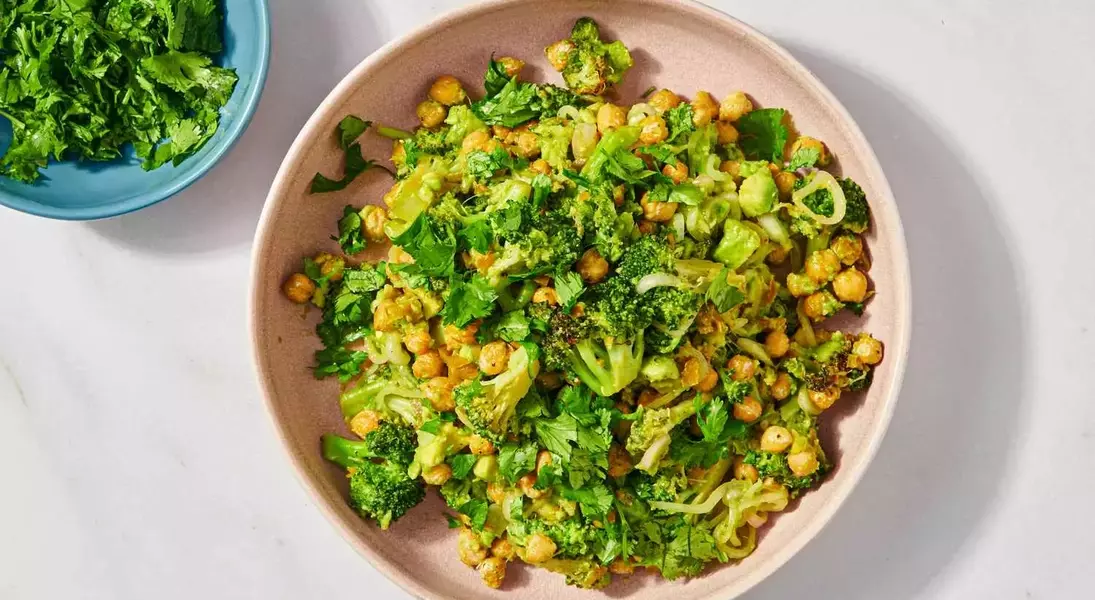
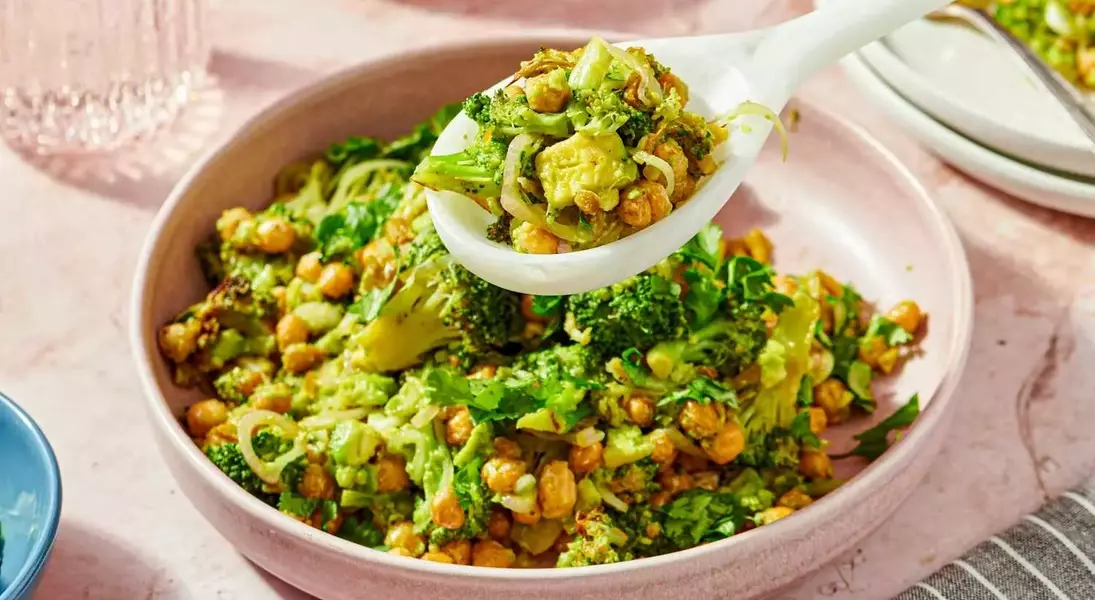
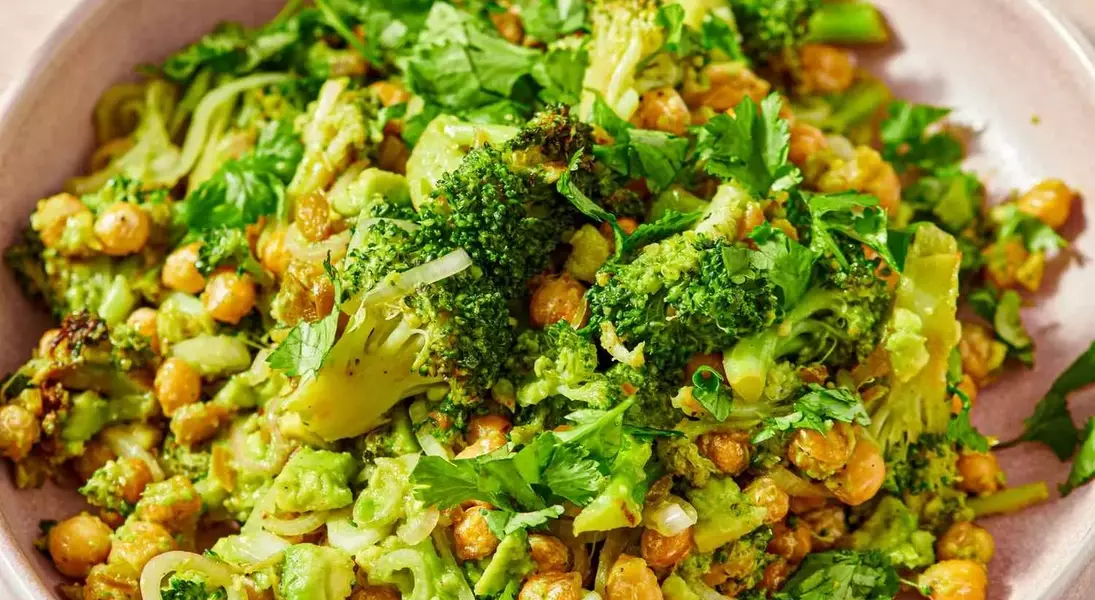
This innovative five-ingredient recipe masterfully transforms simple components into a warm, robust, and immensely satisfying salad. By strategically employing each ingredient for multiple purposes and utilizing precise cooking methods, the dish achieves a depth of flavor that belies its minimal list of contents. The key lies in culinary alchemy: charring the vegetables to unlock their inherent richness and crafting a dynamic dressing from a single versatile fruit.
The meticulous layering of tastes and textures is central to this culinary creation. The dish’s success hinges on techniques that amplify the natural essence of each ingredient. From perfectly seared broccoli and chickpeas bursting with nutty notes to a velvety, zesty avocado dressing, every element contributes to a harmonious symphony of flavors. This recipe serves as a prime example of how thoughtful preparation and ingenious use of core ingredients can lead to an extraordinary dining experience, challenging conventional notions of what a limited-ingredient meal can achieve.
Mastering Flavor with Minimal Ingredients
Crafting a dish with just five ingredients can often lead to culinary monotony, but this recipe skillfully sidesteps blandness by demanding exceptional performance from each component. The technique is as crucial as the ingredients themselves; every element is intentionally selected and prepared to layer diverse textures and flavors, ensuring the final product surpasses the sum of its parts. The objective is to extract the maximum flavor potential from every item, transforming a simple ingredient list into a complex taste experience.
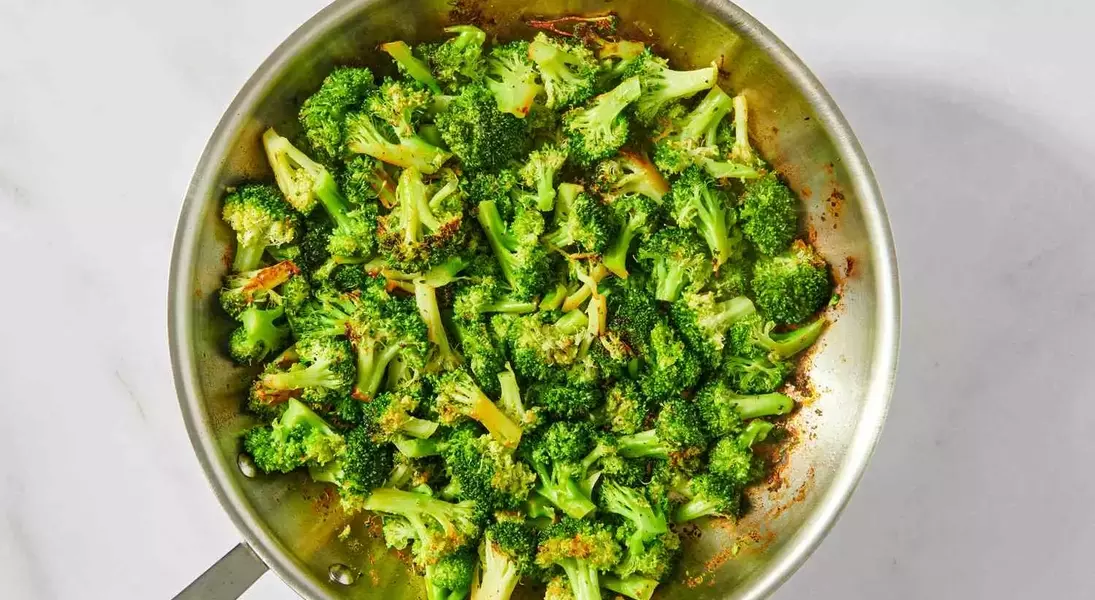
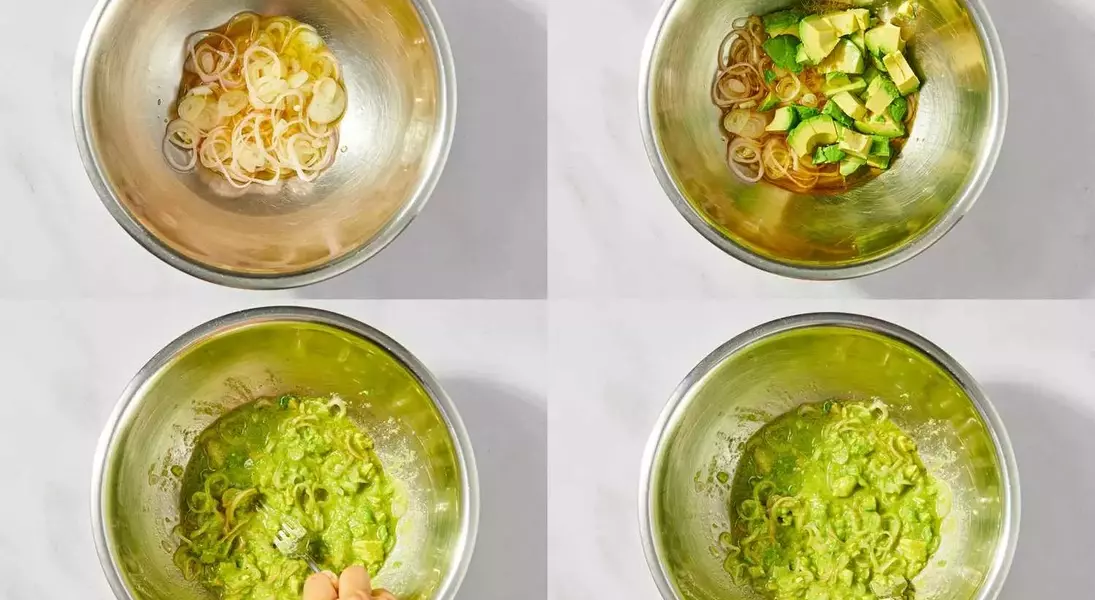
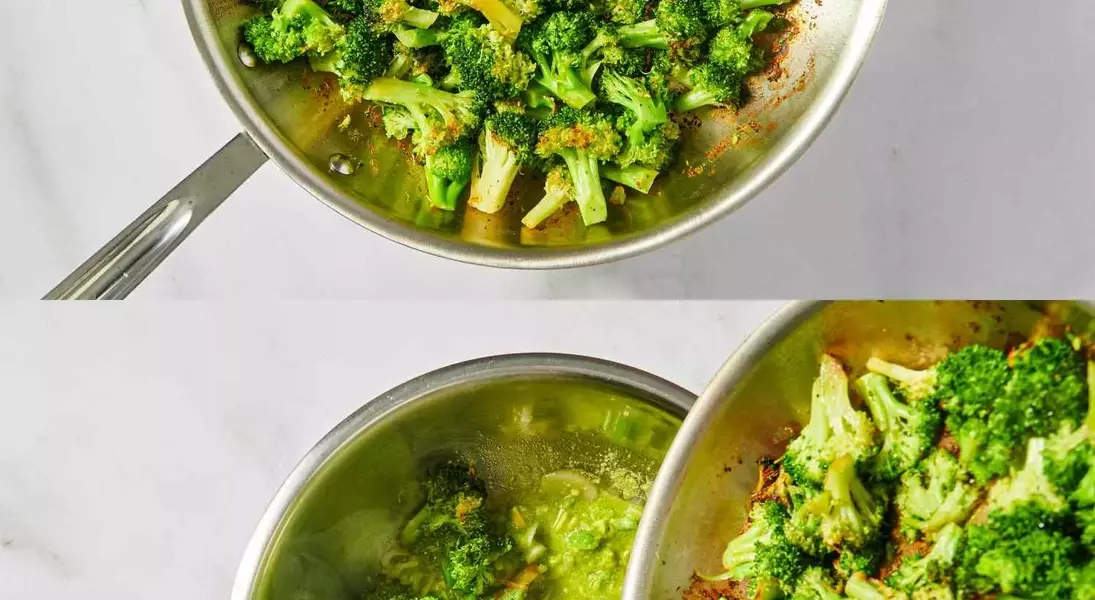
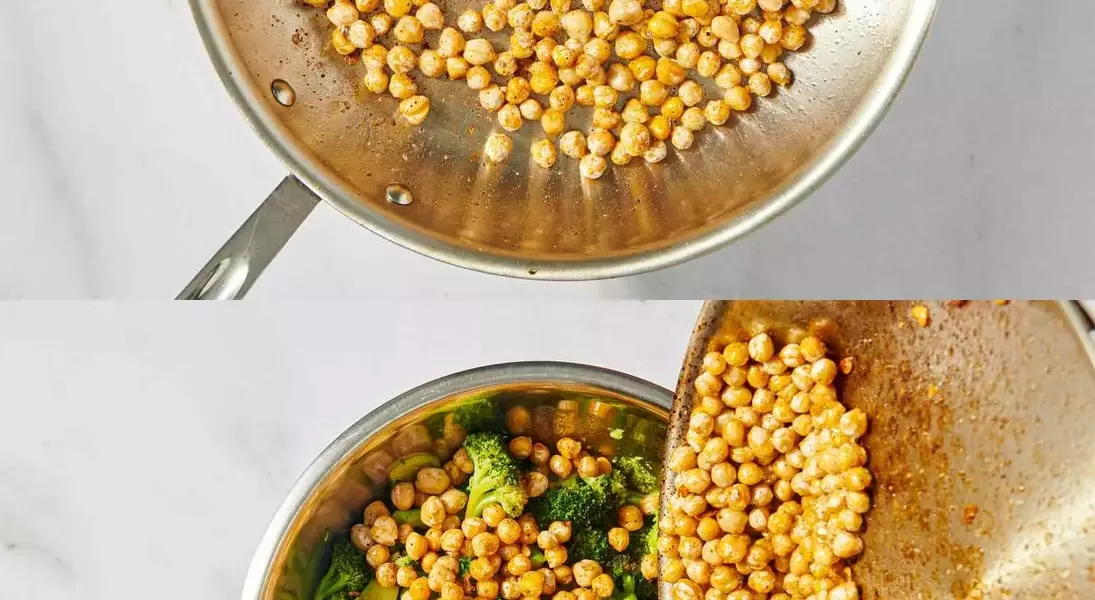
Consider the humble avocado, a star player in this inventive salad. Half of the avocado is diced and integrated into the salad, providing a buttery richness and a satisfying texture that contributes significantly to the dish's heartiness. The remaining portion undergoes a remarkable transformation: it is expertly mashed with the piquant brine from pickled jalapeños and a splash of olive oil. This ingenious combination yields a creamy, tangy, and subtly spicy dressing, showcasing how a single ingredient can fulfill dual roles, enhancing both the body and the dressing of the salad. This dual-purpose approach is pivotal to the recipe’s ability to achieve profound flavor without expanding the ingredient count. Similarly, jarred pickled jalapeños are utilized both for their fiery, fruity kick from the peppers themselves and for their briny liquid, which acts as a vibrant acidic component in the dressing. This eliminates the need for additional vinegar or lemon juice, demonstrating an astute economy of ingredients while delivering a powerful flavor impact. The preparation of the broccoli and chickpeas further exemplifies this philosophy. Instead of conventional steaming or boiling, these vegetables are subjected to intense searing in a skillet. The broccoli is initially covered to trap steam, ensuring it cooks thoroughly and retains its vibrant green hue, then uncovered to encourage deep caramelization and crispiness. The chickpeas are similarly treated, tossed in hot oil until they develop a rich, nutty, and slightly crispy texture. This focused browning technique is essential for developing robust flavors that would be absent with less deliberate cooking methods, effectively preventing a dull and uninspiring dish.
The Art of Ingredient Transformation
The success of this dish lies in its innovative approach to ingredient transformation, proving that a limited pantry can still yield extraordinary culinary results. The core philosophy centers on amplifying the inherent qualities of each component, making them perform beyond their typical roles. This careful consideration of how each ingredient contributes to the overall profile of the dish is what elevates a seemingly simple recipe into a gourmet experience.
The methodology employed for the main components, broccoli and chickpeas, is a masterclass in flavor extraction. Rather than relying on methods that merely cook the vegetables, such as steaming or boiling, this recipe opts for a high-heat searing technique. The broccoli is first cooked in a covered skillet, allowing steam to tenderize the florets while preserving their vibrant color. Following this, the lid is removed, and the broccoli is allowed to sear until deeply browned and slightly crispy, developing a complex, smoky, and nutty flavor profile that would be impossible to achieve through gentler cooking. The chickpeas are then introduced to the same hot skillet, where they are meticulously toasted until they are golden, nutty, and pleasantly crunchy. This meticulous browning of both the broccoli and chickpeas is a deliberate step designed to build layers of savory depth and textural contrast. Without this crucial stage, the dish would lack the robust flavors that define its appeal, resulting in a flat and uninspired outcome. This intentional focus on cooking techniques that maximize flavor is a cornerstone of the recipe's success. Furthermore, the strategic use of other ingredients underscores this transformative approach. For instance, the avocado is not merely a topping; it plays a dual role by contributing both a creamy texture and forming the base of a flavorful dressing. Similarly, the brine from pickled jalapeños is repurposed as a tangy, acidic element, replacing the need for separate vinegar or lemon juice. This multi-functional use of ingredients, coupled with precise cooking methods, demonstrates that culinary creativity and careful execution can truly make a simple ingredient list yield an astonishingly rich and complex dish, challenging previous notions about the limitations of five-ingredient cooking. The result is a warm, filling, and deeply satisfying salad that stands as a testament to the power of thoughtful cooking.
