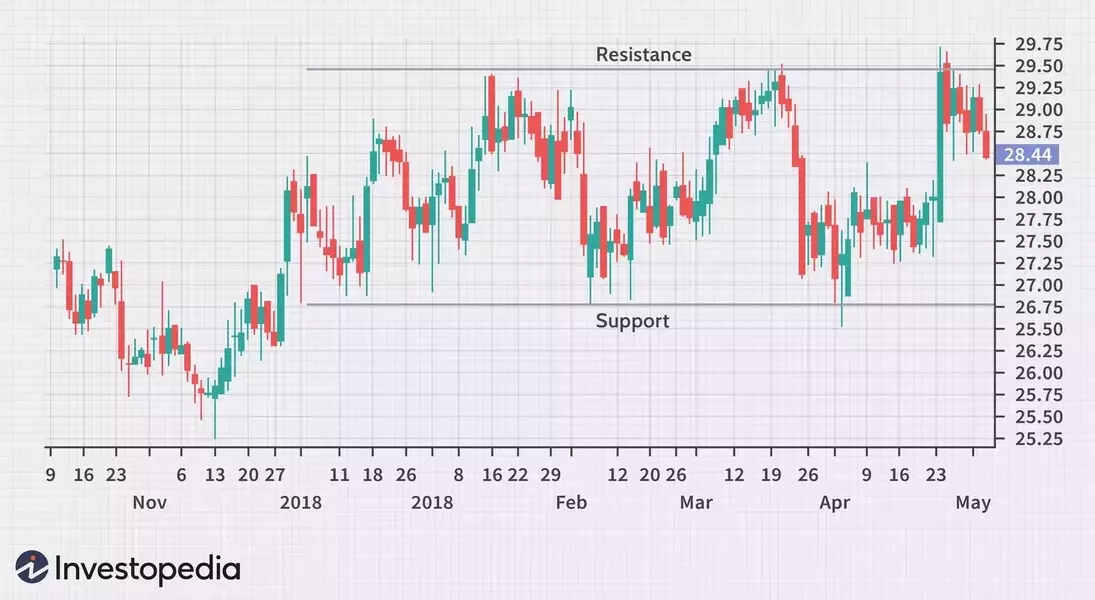
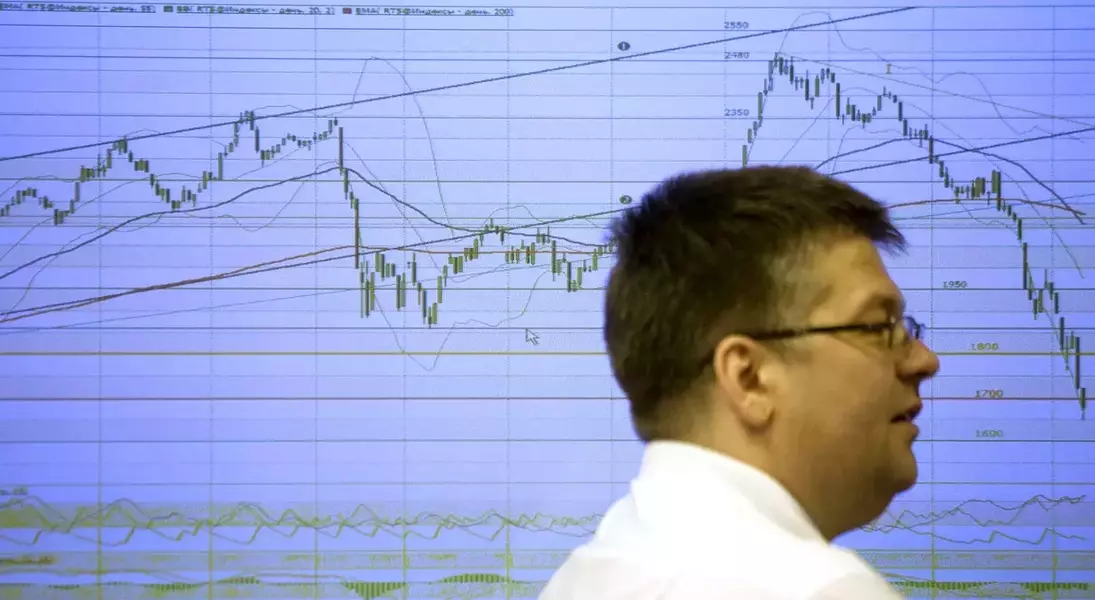
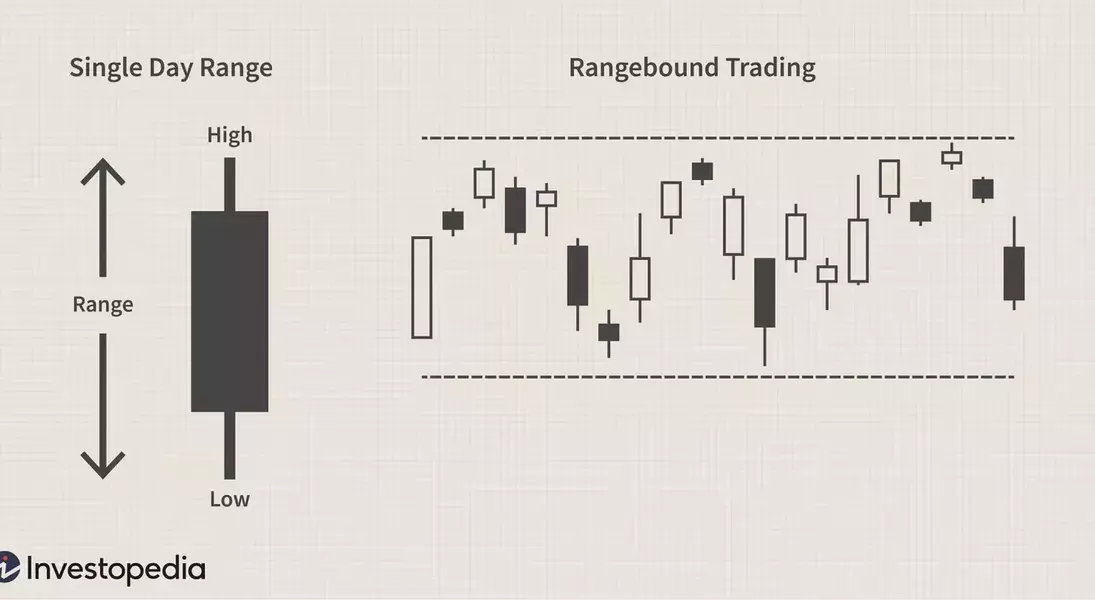
In financial markets, a trading range describes a period during which an asset's price fluctuates consistently between identifiable high and low points. This creates clear boundaries of support and resistance that traders can use to make informed decisions. Understanding these ranges is crucial for market participants looking to capitalize on predictable price movements rather than relying on speculative impulses.
A trading range manifests when a security's value moves within a confined corridor, establishing discernible ceilings (resistance) and floors (support). This phenomenon is fundamental to range-bound trading, a method where investors aim to acquire assets near their support levels and divest them at their resistance levels. Recognizing these patterns allows traders to identify potential entry and exit points, forming the basis of effective trading strategies.
When an asset's price breaks beyond its established range, either upward (breakout) or downward (breakdown), it signals a shift in market momentum. These movements are considered more significant when accompanied by high trading volume, indicating broad market participation. Extended periods of range-bound activity often precede substantial trending moves, providing crucial insights for traders. Day traders, for instance, frequently monitor the initial half-hour's trading range to inform their intraday strategies, buying if the price surpasses the opening range's high. For those seeking to deepen their understanding of such technical analysis, various specialized courses are available.
The interplay between trading ranges and market volatility is also significant. A security's trading range is directly related to its perceived risk; smaller price fluctuations typically indicate lower risk. Consequently, cautious investors often gravitate towards stable sectors like utilities or healthcare, which tend to exhibit narrower trading ranges, rather than more volatile sectors such as finance or technology, characterized by wider ranges and higher beta values.
Successful range-bound trading involves capitalizing on these price channels. Traders employ technical indicators like the Relative Strength Index (RSI), stochastic oscillator, or Commodity Channel Index (CCI) to confirm overbought or oversold conditions within a range. For example, a long position might be initiated when a stock's price approaches support and the RSI indicates an oversold condition (below 30). Conversely, a short position could be opened when the RSI moves into overbought territory (above 70). Implementing a stop-loss order just beyond the trading range is a common practice to mitigate potential losses.
Furthermore, traders can strategically engage with breakouts or breakdowns. Confirmation of such moves, often indicated by high volume and multiple price closes outside the range, is essential. Rather than immediately chasing the price, some traders prefer to await a retracement to enter a trade, using the former resistance level as new support or vice versa. A stop-loss order positioned at the opposite end of the original trading range can safeguard against false breakouts.
Trading ranges are pivotal in technical analysis, offering a structured approach to identifying market trends, support and resistance levels, and potential breakout or breakdown opportunities. By understanding these concepts and applying relevant technical indicators, traders can make more systematic and less speculative decisions, enhancing their overall trading efficacy.
