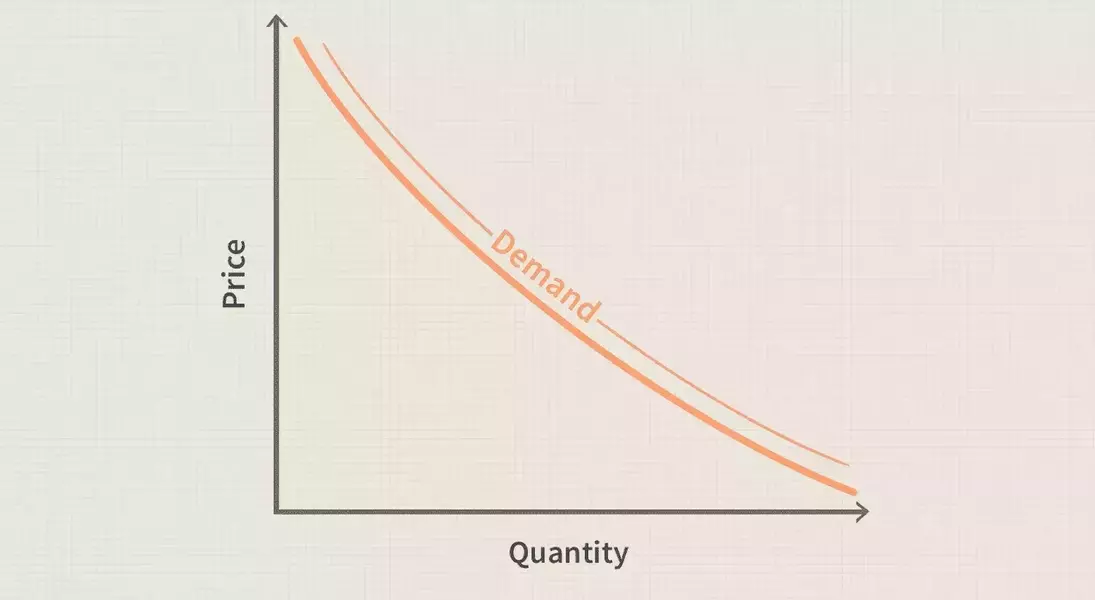

Negative correlation describes a relationship where two variables move in opposite directions; as one increases, the other tends to decrease. This dynamic is also termed inverse correlation. When a perfectly negative correlation exists, the movement of two variables is precisely mirrored in opposition. For instance, in economics, the price and quantity demanded of a product typically exhibit a negative correlation, where lower prices generally lead to increased consumer demand.
Understanding this concept is vital for investors aiming to construct resilient portfolios. By incorporating assets that exhibit negative correlation, individuals can effectively mitigate investment risks. This strategy often involves balancing assets where one might appreciate while another depreciates, thereby stabilizing overall portfolio performance. Such an approach leverages the divergent movements of various assets to cushion against market volatility and potential downturns.
The strength and direction of these relationships are quantified by the correlation coefficient, a statistical measure that ranges from -1.0 to +1.0. A value of -1.0 signifies a perfect negative correlation, meaning assets move in exact opposition. A value of +1.0 indicates a perfect positive correlation, where assets move in complete harmony, while a coefficient of 0 suggests no linear relationship. For example, if variable X increases and variable Y consistently decreases, they exhibit negative correlation. Although ideal negative correlations are uncommon in real-world financial scenarios, the general trend of opposing movements remains a powerful tool for strategic diversification. However, it's crucial to acknowledge that historical correlations do not guarantee future performance, and market conditions can cause these relationships to shift.
Integrating negatively correlated assets into an investment portfolio offers dual benefits: risk management and diversification. By carefully selecting assets whose values tend to move inversely, investors can create a more stable portfolio. This is particularly useful for hedging, where assets are chosen to offset potential losses from core holdings. Classic examples include the often-inverse relationship between stocks and bonds, where bonds might rise when stocks fall, and the dynamic between gold and the U.S. dollar, where gold prices often increase as the dollar weakens. However, investors must conduct ongoing analysis of these correlations, as their significance can change with market conditions and economic shifts. Moreover, while correlations are valuable, they should not be the sole determinant of portfolio construction. Factors such as asset allocation, individual risk tolerance, and economic forecasts also play crucial roles. Correlations primarily measure linear relationships and may not capture complex, non-linear interactions or the magnitude of price movements, highlighting the need for a holistic approach to investment strategy. Ultimately, skillfully navigating these dynamics allows investors to pursue growth while prudently managing inherent market risks.
