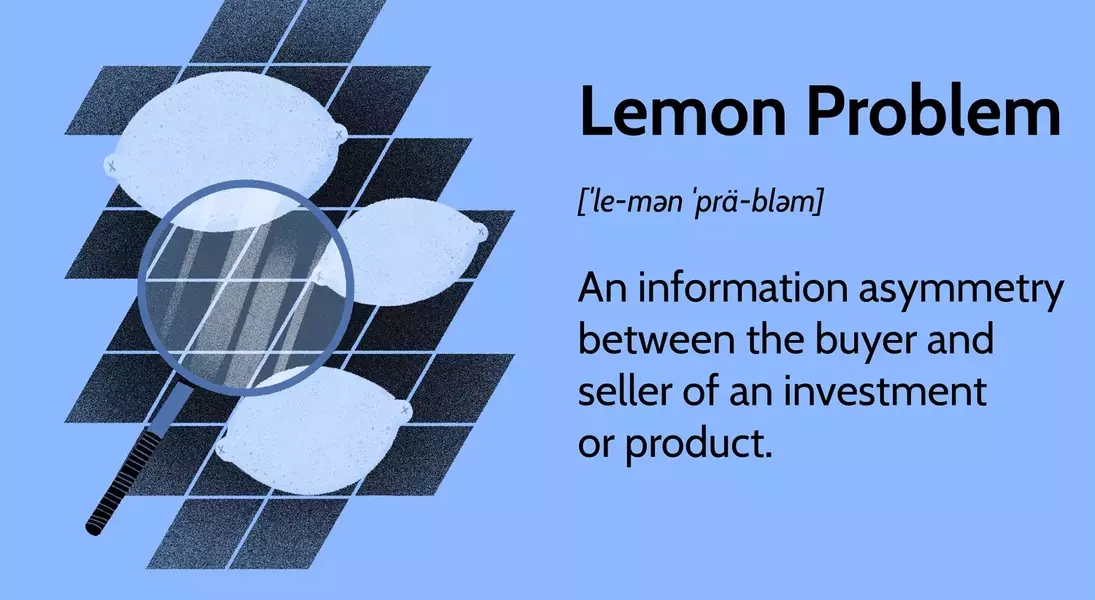
The 'lemon problem' describes a market situation where one party, typically the seller, holds more information about a product's true quality than the buyer. This information imbalance, known as asymmetric information, can lead to serious market inefficiencies and even complete market collapse. When buyers cannot accurately assess quality, they assume an average value, which discourages sellers of high-quality goods while incentivizing the sale of inferior products. This concept, initially explored in the used car market, has broad implications across various industries, including financial markets, and highlights the critical need for transparency and protective mechanisms like warranties to restore trust and ensure fair transactions.
This market dynamic creates a vicious cycle where uncertainty drives down prices, leading to a proliferation of low-quality items and the eventual exit of high-quality goods from the market. Consequently, buyers face a heightened risk of acquiring defective or subpar products, while legitimate sellers struggle to command fair prices for their superior offerings. The economic impact extends to reduced market liquidity and a breakdown of trust, ultimately undermining the efficiency and viability of the market as a whole.
The Core of the Lemon Problem: Information Disparity
The lemon problem fundamentally stems from the imbalance of information between participants in a transaction. When sellers have private information about the true quality of a product or asset—information that buyers lack—it creates an environment ripe for exploitation. Buyers, unable to distinguish between high-quality and low-quality items, tend to assume an average quality and offer a price reflective of this average. This pricing mechanism means that high-quality sellers are undervalued and may withdraw their products from the market, while low-quality sellers are overvalued and are incentivized to sell more. The result is a market increasingly populated by "lemons"—products or assets of inferior quality.
This phenomenon, first articulated by Nobel laureate George A. Akerlof, demonstrates how asymmetric information can undermine market efficiency. His seminal work, "The Market for 'Lemons'," used the example of used cars to illustrate how buyers' inability to verify a vehicle's quality leads them to offer only an average price. This drives premium vehicles out of the market, leaving only subpar cars, or "lemons," for sale. The core issue is that rational buyers, to protect themselves from potentially purchasing a defective item, will not pay top dollar unless they can be assured of high quality. Without such assurance, the market for good products shrinks, eventually failing to serve both buyers and honest sellers effectively.
Consequences and Safeguards Against Information Asymmetry
The implications of the lemon problem extend far beyond used car sales, impacting diverse sectors including financial markets and credit industries. In financial markets, particularly initial public offerings (IPOs), company insiders often possess critical information about a firm's true health and prospects that retail investors do not. This information gap can lead to investors overpaying for potentially overvalued companies, effectively acquiring financial "lemons." Similarly, in credit markets, borrowers have better insight into their own financial stability than lenders do, leading to adverse selection where riskier borrowers are more likely to seek loans, pushing up interest rates for all and deterring low-risk applicants. This adverse selection can compromise market integrity and increase default rates.
To counteract the lemon problem, various protective measures and mechanisms have emerged. Warranties serve as a crucial safeguard, offering buyers assurance and recourse if a product proves defective. In the automobile industry, services like Carfax provide comprehensive vehicle history reports, helping to bridge the information gap for used car buyers. Legislation such as the Magnuson-Moss Warranty Act in the U.S. establishes legal protections for consumers, ensuring that manufacturers and sellers provide adequate warranties for their products. These measures aim to reduce information asymmetry, foster trust between buyers and sellers, and prevent market failures by promoting transparency and accountability, thereby encouraging fair transactions and a healthy market for both high-quality and average goods.
