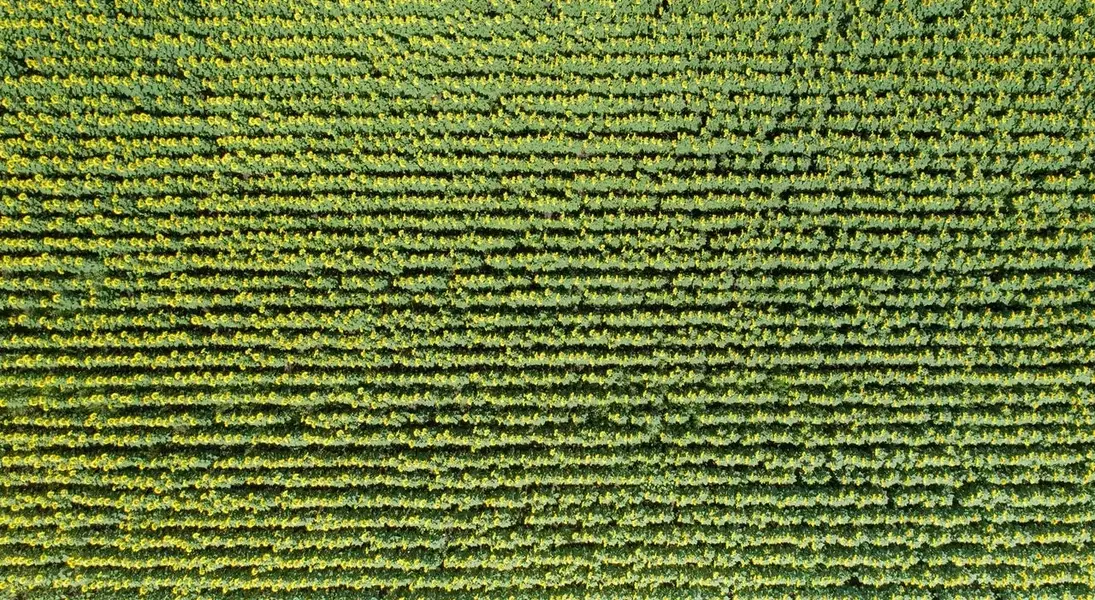
Recent reports from the United States Department of Agriculture (USDA) highlight a notable expansion in sunflower cultivation across the nation. This increase, particularly in oil-type varieties, signifies a dynamic shift in agricultural land use, promising a substantial boost in production for the upcoming year. While initial figures are encouraging, the market remains vigilant, awaiting further data and assessing the implications for pricing and demand as the harvest season approaches.
Details of the Expanding Sunflower Landscape
As of the most recent USDA findings released in July 2025, the land dedicated to sunflowers across the United States has seen an impressive surge. A 38% increase from 2024 has brought the total planted area to a remarkable 998,000 acres, with a projected 957,700 acres designated for harvesting. The growth is predominantly fueled by oil-type sunflower varieties, which now account for 881,000 planted acres, marking a substantial 48% rise from the previous year. Conversely, non-oil varieties have seen a slight decrease, with planted acreage at 117,000 acres, down 8% from last year.
Geographically, this agricultural boom is particularly pronounced in key sunflower-producing states. North Dakota, for instance, has demonstrated an exceptional increase, adding 190,000 acres of oil-type sunflowers. Neighboring South Dakota also contributed significantly to this expansion, with an additional 40,000 acres. These two states alone account for a large portion of the national growth, underscoring their pivotal role in the U.S. sunflower industry. Initial projections for 2025 indicate an oil-type sunflower production of 1.44 billion pounds, a 51% increase from the previous year, while non-oil production is expected to remain relatively stable at 197 million pounds.
The market's reaction to this news has been immediate, with sunflower prices trending upward as stakeholders evaluate the implications for near-term supply and demand. This initial USDA report, based on early planting surveys, serves as a crucial indicator, though it is important to note that such estimates are subject to revision as the growing season progresses. Historically, final acreage and production figures have varied from initial reports, reflecting the dynamic nature of agricultural cycles and market conditions.
Looking ahead, the market anticipates tight supplies of existing stock by late September, driven by strong demand from crushers, confectioneries, and the birdseed industry. This scarcity is expected to maintain firm prices for the current crop, potentially incentivizing growers to accelerate harvesting. The period from mid-August through September is critical for sunflower development, and market participants will closely monitor crop prospects before making long-term purchasing decisions. An updated USDA estimate in October will provide further clarity, setting the stage for new-crop sunflower pricing and market trends.
The robust expansion in U.S. sunflower cultivation is a testament to the resilience and adaptability of the agricultural sector. As a journalist observing these trends, it's clear that the interplay between market demand, planting decisions, and governmental reports creates a complex yet fascinating landscape. The continued growth of this versatile crop not only promises economic benefits for farmers but also underscores the dynamic nature of global food production. It's a reminder that even in the face of ever-changing variables, the agricultural community remains a vital force, continuously striving to meet evolving demands and contribute to a sustainable future.
