The Farm Progress Show, a landmark event in American agriculture, has undergone a remarkable transformation since its inception in 1953. What began as a mobile exhibition held in various cornfields across Illinois, Indiana, and Iowa, characterized by its rustic charm and the occasional muddy mishap, has evolved into a sophisticated, permanent showcase for cutting-edge agricultural technology. This evolution mirrors the broader changes within the farming industry, moving from a reliance on sheer manpower to embracing advanced machinery, digital tools, and sustainable practices. The show's journey from a nostalgic past of community spirit and shared challenges to its present-day professional organization, complete with state-of-the-art infrastructure, reflects a continuous commitment to serving the needs of modern farmers and agribusinesses, ensuring its enduring relevance in a rapidly advancing sector.
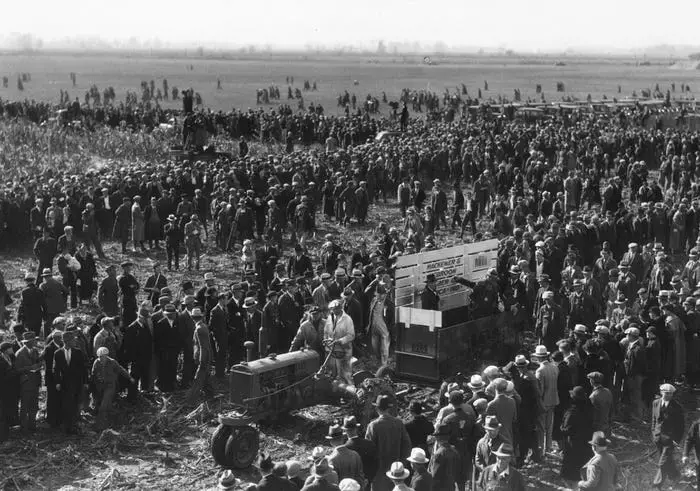
In 1985, a vivid memory from the Farm Progress Show involved a fourth-grader's encounter with an innovative mechanical pencil, an object of wonder that underscored the event's early, more rudimentary technological offerings. This period was defined by its itinerant nature, as the show would annually establish itself on a different farm, temporarily transforming vast cornfields into bustling, albeit sometimes rain-soaked and muddy, makeshift cities. These early shows, conceived by Paul Johnson and Vern Anderson of Prairie Farmer as a successor to cornhusking contests, aimed to connect agricultural manufacturers with farmers directly. The inaugural event in 1953, held on Earl Bass's farm in Armstrong, Illinois, attracted over 75,000 attendees and 112 exhibitors, quickly growing to over 250 exhibitors by 1960 and solidifying its reputation as a major gathering for Midwest farmers.
Reflecting on these earlier eras, seasoned editors recall the hands-on involvement required, from directing traffic to installing signage, embodying a strong sense of camaraderie and shared purpose. Tales from these days are replete with colorful incidents, such as the unexpected appearance of a dancing bear booked for an exhibit in 1985, or the logistical complexities of managing Vice President Dan Quayle's visit in 1992, which involved last-minute route changes and a dramatic scene of limousines traversing a cornfield. While these anecdotes highlight the less polished, more adventurous spirit of the show's past, they also underscore the need for greater organization and resilience against unpredictable elements like adverse weather conditions, as evidenced by the significant rain-induced cancellations in 2003.
The transition to permanent sites in 2005 marked a pivotal moment, addressing the persistent issues of mud, traffic congestion, and the logistical nightmares of temporary setups. Today, the Farm Progress Show alternates between two purpose-built locations, including one in Decatur, Illinois, equipped with advanced storm drainage systems and infrastructure designed to withstand challenging weather. This strategic shift has allowed the show to focus on delivering a highly professional experience, showcasing the latest innovations from drones to satellite technology, catering to the evolving demands of a professionalized agricultural community. The ongoing dedication to improvement ensures that future generations of agricultural professionals will continue to find inspiration and cutting-edge resources at the Farm Progress Show, a testament to its enduring legacy and forward-looking vision.
The Farm Progress Show has evolved from a simple, community-oriented gathering into a sophisticated platform for agricultural innovation, demonstrating a dynamic adaptation to the needs of modern farming. This transformation from temporary, weather-vulnerable sites to permanent, technologically advanced venues reflects a strategic response to industry demands, fostering an environment where cutting-edge solutions and knowledge exchange thrive. The event's journey from a past filled with rustic charm and improvisational management to its present state of professional organization underscores its sustained commitment to supporting the agricultural sector's growth and embracing the future of farming.
