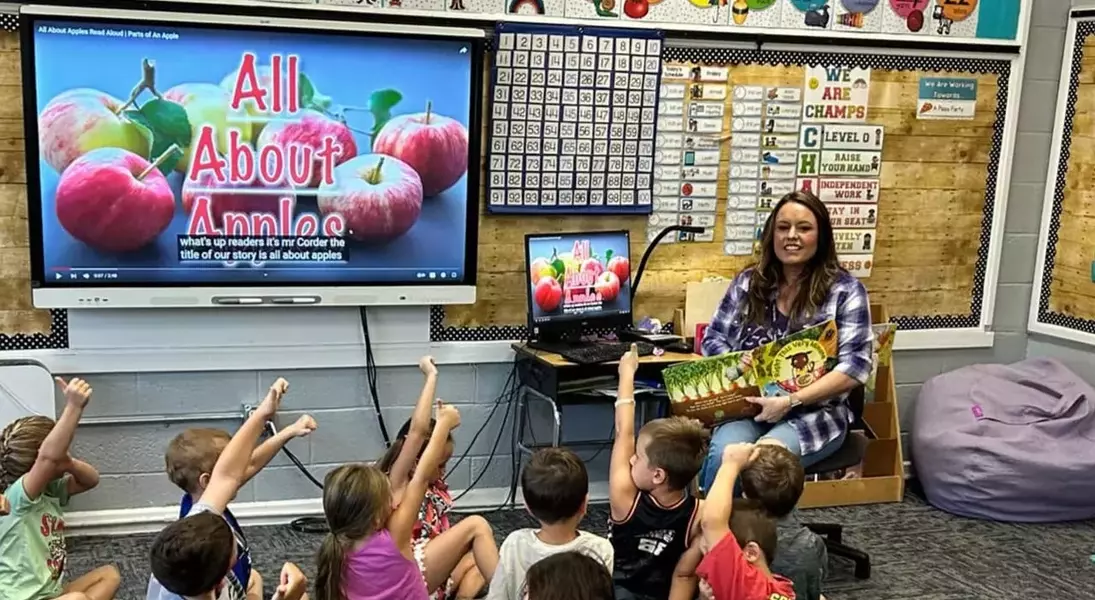
Kelsy Sproul, recognized as the 2026 Kansas Foundation for Agriculture in the Classroom Teacher of the Year, is transforming early childhood education at Sedan Elementary School. Her dynamic teaching methodology infuses agricultural themes into daily lessons, fostering an environment where young learners develop a deep appreciation for where their food comes from and the broader agricultural landscape. This inventive pedagogical strategy has not only sparked enthusiasm among her students but also demonstrably improved their reading comprehension, test scores, and overall classroom conduct. Sproul's unwavering commitment to agricultural literacy extends beyond her own classroom, inspiring her to advocate for its wider adoption in educational settings, especially within rural communities, ensuring that more children gain a foundational understanding of this vital industry.
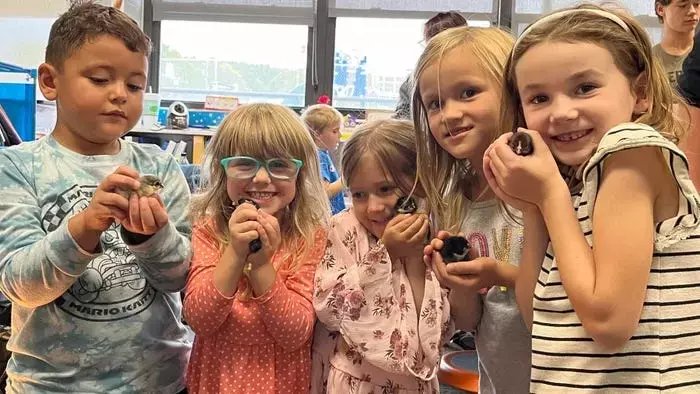
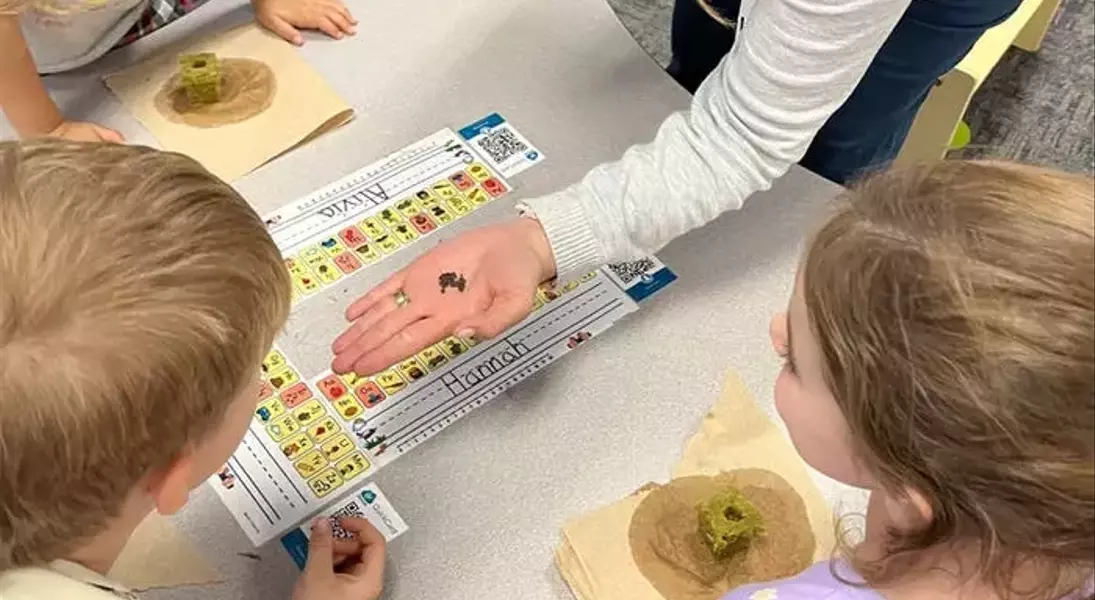
At Sedan Elementary, within Kelsy Sproul's kindergarten classroom, the journey into the world of agriculture begins with engaging, hands-on activities. Students observe the miracle of life as baby chicks hatch, and they learn the basics of cultivation by planting lettuce seeds, later enjoying the fruits of their labor in the school cafeteria. This farm-to-table experience instills an early understanding of food sources and promotes healthy eating habits. Sproul, who is concurrently pursuing her doctorate at Kansas State University, integrates these agricultural experiences as a core component of her teaching, preparing her students for future academic and life successes. Her passion for both teaching and agriculture is evident in every lesson, creating a uniquely enriching educational experience.
Sproul's exceptional work was formally acknowledged in March when the Kansas Foundation for Agriculture in the Classroom (KFAC) bestowed upon her the prestigious Teacher of the Year award for 2026. This accolade celebrates educators who demonstrate outstanding efforts in embedding agricultural topics into their curriculum and making a significant positive impact on their local communities. Briana Jacobus, Assistant Director of KFAC, highlighted Sproul's dedication, her involvement beyond the classroom, and her profound commitment to all students at Sedan, citing these as key reasons for her selection. Sproul's doctoral research further underscores her innovative approach, focusing on the effective integration of agricultural content within elementary education.
Growing up in Sedan, surrounded by a rural environment, Sproul developed a deep connection to agriculture, a sentiment that resonates with many of her students. This shared background allows her to craft lessons that are inherently relatable and engaging. She initially transitioned into teaching to align with her family's ranching schedule, noticing early on that agricultural activities captivated her students' attention and improved their behavior. By connecting abstract concepts to tangible agricultural experiences, Sproul empowers her students to confidently approach subjects like writing and reading. Her curriculum is diverse, encompassing everything from incubating eggs to utilizing tower gardens, providing a holistic and practical understanding of agricultural processes.
Rusty Arnold, the superintendent of Chautauqua County Community Unified School District, lauded Sproul's innovative spirit and unwavering positivity. He noted that her willingness to embrace new teaching methods brings an element of excitement to the classroom, allowing her to cater to diverse learning styles. This forward-thinking approach also earned her recognition as a 2025 Kansas State Department of Education Horizon Award recipient. Arnold emphasized that the recognition Sproul receives directly translates into substantial benefits for the students, as her implemented programs are making a tangible difference in their education.
Initially, Sproul's agricultural focus was confined to her kindergarten class. However, the visible improvements in her students' performance prompted her to propose expanding these resources. Consequently, she now delivers agriculture-themed lessons to students from kindergarten through fifth grade. Despite not receiving additional compensation for this expanded role, Sproul is driven by a desire to reach as many children as possible. She firmly believes that understanding the origins of food and the agricultural basis of everyday products is a fundamental aspect of general knowledge for everyone, regardless of their background or future aspirations.
The Kansas Foundation for Agriculture in the Classroom serves as an invaluable resource, providing teachers like Sproul with comprehensive, free curriculum materials and activity kits. This support eliminates the need for educators to create lessons from scratch, enabling them to seamlessly integrate agriculture into their existing teaching plans. KFAC, a non-profit organization, annually assists over 130,000 students and 5,200 teachers across Kansas. Their lessons ingeniously use agriculture as a framework for teaching various academic subjects. For example, the life cycle of a wheat plant can be explored in a science lesson, or bread-making can be incorporated into a math activity, all while adhering to state educational standards. Sproul has observed significant improvements in her students' test scores and overall grasp of core subjects since implementing these agriculture-infused lessons, meticulously adapting content to suit different grade levels and learning preferences. She particularly emphasizes agricultural themes to bolster literacy skills, promoting deeper understanding in writing, vocabulary development, research, and source citation. As Sproul continues her career, she remains committed to advancing agricultural education, advocating for its inclusion in rural and urban classrooms alike, believing it is crucial for all students to comprehend the origins of their food and the widespread influence of agriculture on their daily lives.