
The harvest season, with its demanding long hours and often sedentary nature within farm machinery, poses significant challenges to maintaining physical fitness and health. This report highlights crucial strategies for farmers to safeguard their well-being during this intense period. It emphasizes the importance of incorporating quick, effective stretching routines to combat muscle stiffness and prevent injuries, alongside adopting smart nutritional practices to sustain energy levels. The overarching goal is to minimize fitness setbacks, avoid physical strain, and ensure a swift return to regular routines once the harvest concludes, promoting long-term health in the agricultural community.
Keeping Fit and Nourished Through the Demanding Harvest Season
The relentless pace of the harvest season, often involving prolonged periods inside combine harvesters or tractors, can take a considerable toll on the physical health of farmers. Recognizing these challenges, proactive measures are essential to mitigate potential injuries and maintain vitality. On a bright summer day, July 30, 2025, health experts provided valuable insights into staying fit and energized during this critical agricultural phase.
The Mayo Clinic advocates for three straightforward stretching exercises that can be seamlessly integrated into a farmer's busy schedule, even within the confines of a machinery cab or during short breaks:
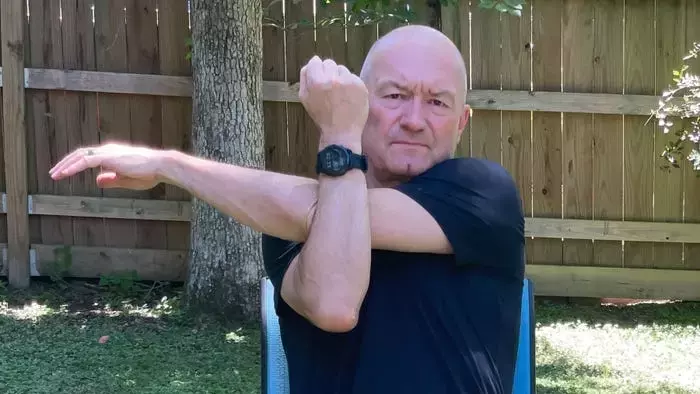
- Shoulder Stretch: To alleviate tension in the back and shoulders, extend one arm across your body and gently hold it with the other arm near the elbow. Maintain this position for 30 seconds before switching to the opposite arm.
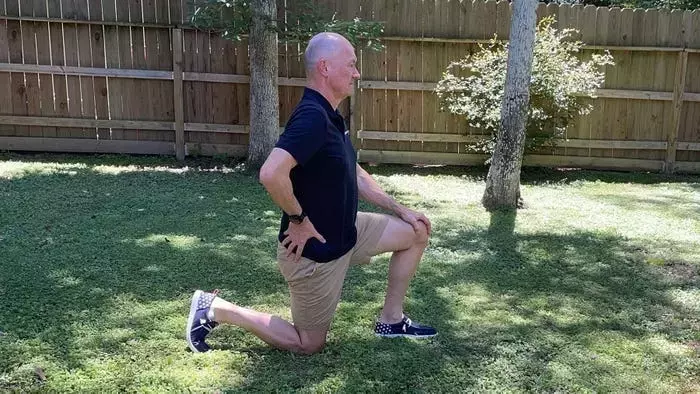
- Hip Flexor Stretch: Combat tightness in the hip flexors, which can impact leg mobility, by kneeling on one knee (using a towel or mat for comfort) and placing the corresponding foot forward. Lean into the stretch while keeping your back straight and abdominal muscles engaged, holding for 30 seconds per side.
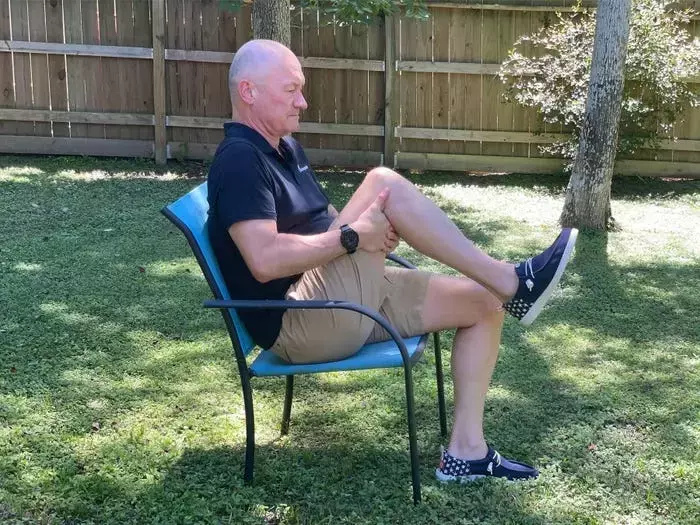
- Glute Stretch: Address potential discomfort in the lower back and extremities by targeting the body's largest muscle, the glutes. While sitting upright, grasp one thigh and carefully draw it towards your chest until a gentle tension is felt in the lower back and upper glute. Hold for 30 seconds, then repeat with the other leg.
It's crucial to remember that stretching should induce a sensation of tension, never pain.
Beyond physical stretches, nutrition plays a pivotal role in sustaining energy. Although physical exertion might be reduced compared to other farming activities, mental engagement and calorie expenditure persist. Understanding individual caloric needs and tracking intake can help in maintaining energy without unwanted weight gain.
For those extended hours in the cab, a strategy of smaller, more frequent meals and snacks is highly recommended. This approach helps to keep energy levels stable and prevents feelings of sluggishness often associated with larger, infrequent meals. Prioritize complex carbohydrates such as whole-grain breads, oats, fresh fruits, and vegetables over rapidly metabolized simple sugars. Staying well-hydrated is also paramount; water is fundamental to countless bodily functions. While it requires balancing hydration with the practicalities of limited "nature breaks," planning ahead and maintaining good hygiene are key.
Ultimately, a minor reduction in fitness during harvest is often unavoidable. The objective should be to minimize this decline, prevent injuries, and find ways to sustain some level of physical activity. As individuals age, maintaining fitness profoundly benefits both mental and physical health. It is important not to succumb to frustration over temporary fitness losses, as any ground lost can always be regained after the harvest equipment is stowed away. Farmers are encouraged to do what they can during this demanding period, and then embrace renewed efforts towards their fitness goals post-harvest.
As a journalist observing the agricultural community, it's inspiring to see the dedication and resilience of farmers, especially during the harvest. This period, while critical for global food supply, often comes at a personal cost to their health. The practical advice on stretching and nutrition outlined here isn't just about physical well-being; it's about sustaining the very individuals who feed us. It highlights a broader truth: in any high-stakes, demanding profession, self-care is not a luxury but a fundamental requirement for sustained productivity and long-term health. Prioritizing these seemingly small actions can lead to significant improvements in quality of life and career longevity for those who work tirelessly on the land.
