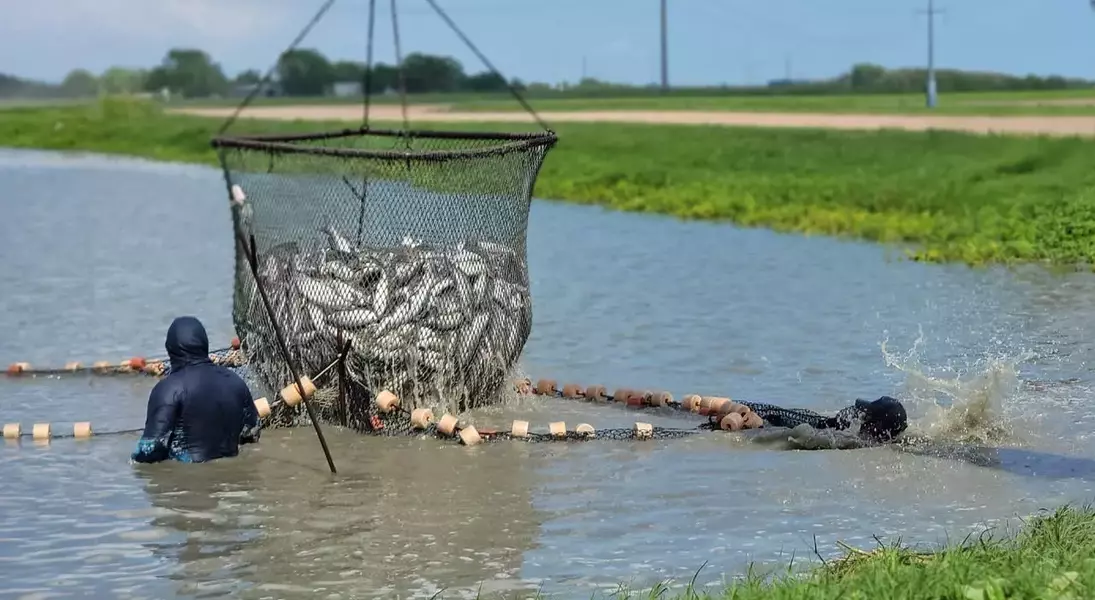

The aquaculture industry in Texas is demonstrating robust growth, with a reported annual farm-gate revenue exceeding $120 million. This impressive figure reflects a significant expansion over the past five years, moving beyond traditional catfish farming to include a diverse array of species. Experts highlight that this growth is largely attributed to increased production of high-value fish such as red drum and hybrid striped bass, which are now leading the nation in Texas-based cultivation. Furthermore, the burgeoning oyster farming sector, legalized in 2019, has seen a rapid rise, adding to the state's aquatic agricultural prowess. Despite some discrepancies in national census data, the local assessment from Texas A&M AgriLife Extension Service confirms a healthy and expanding aquaculture landscape, supported by a growing number of producers and innovative farming practices. Recent tariffs on imported seafood have also created favorable market conditions for local producers, encouraging further diversification and cooperative ventures within the industry.
Soaring Aquatic Production: Texas's Thriving Aquaculture Scene
In a compelling revelation on August 4, 2025, Dr. Todd Sink, the esteemed aquaculture specialist and director of the AgriLife Extension Aquatic Diagnostics Laboratory at Bryan-College Station, presented a vibrant picture of Texas's aquatic farming industry. His findings, which contrast with some national reports, indicate a flourishing sector with over $120 million in annual farm-gate sales.
A notable shift in the Texas aquaculture narrative is the industry's diversification beyond conventional catfish farming. While catfish once dominated, the spotlight is now on high-value species such as red drum and hybrid striped bass. These two species alone contribute approximately $20 million to the state's yearly farm-gate sales. Dr. Sink emphasized the remarkable efficiency of this production, noting that a mere dozen producers are generating a value and quantity comparable to the entire catfish industry, owing to the superior market price of red drum, fetching around $5.50 to $5.70 per pound, significantly higher than catfish's 80 cents to $1.20 per pound.
A groundbreaking development has been the swift emergence of oyster farming. Following pivotal legislation in 2019 that permitted oyster mariculture, Texas has seen an exponential rise in oyster farms along its coast, with over 20 new operations now active. This rapid expansion has even led to the state's two oyster hatcheries struggling to meet the escalating demand for seed stock, underscoring the dynamic growth in this segment.
The overall market conditions have also played a crucial role in this prosperity. Recent tariffs imposed on imported seafood products have inadvertently bolstered the domestic market, directing orders towards Texas producers that previously went to international suppliers from China, Vietnam, or Mauritius. This competitive advantage has enabled Texas aquaculture to strengthen its foothold in the national market.
Beyond high-value food fish, the industry also caters to bait, ornamental fish, and other food species like tilapia, pinfish, and fathead minnows. Dr. Sink highlighted a growing trend among producers to diversify their cultivation, moving away from single-species specialization. This strategic shift involves incorporating multiple species to mitigate risks associated with disease outbreaks, extreme weather events, or market fluctuations. Furthermore, collaborative efforts are gaining traction, with producers forming larger cooperative farms. These partnerships, whether between two or eight entities, enhance collective buying power, improve market access, ensure a more stable supply, and foster greater species diversification, thereby strengthening the resilience and profitability of the Texas aquaculture sector.
This impressive resurgence in Texas aquaculture serves as a beacon of innovation and adaptability within the agricultural sector. It demonstrates how strategic diversification and a proactive response to market dynamics can transform an industry. The focus on higher-value species, coupled with the foresight to embrace new farming methods like oyster mariculture, offers a powerful lesson in economic growth and sustainability. For aspiring entrepreneurs and seasoned agriculturists alike, the Texas aquaculture story highlights the immense potential that lies in exploring untapped niches and fostering collaborative networks to navigate and thrive in an ever-evolving global market. This narrative of growth and resilience could inspire similar transformations in other regional agricultural economies.
