This narrative explores a couple's postponed honeymoon to popular Tennessee destinations, Pigeon Forge and Nashville, an experience that inadvertently reaffirmed their deep affection for their rural Indiana lifestyle. What began as an anticipated romantic escape quickly transformed into a realization that the tranquility and simplicity of their farm far outweighed the hustle and bustle of tourist-heavy locales. The unexpected revelation highlighted their strong bond with their agricultural roots and the unique joy found in shared moments on the farm, even during harvest, which they retrospectively deemed more fulfilling than their ambitious urban holiday. This journey underscored a profound connection to their homeland and the genuine happiness derived from their farming existence, illustrating that sometimes, the most cherished experiences are those close to home, rooted in familiar ground and shared labor.
The couple's wedding took place during harvest season, leading to an agreement that their honeymoon would be deferred until the following summer. In lieu of an immediate getaway, the early days of their marriage were marked by spending quality time together on the tractor, symbolizing their commitment and the unique rhythm of their lives. When July finally arrived, they embarked on their long-awaited trip to Tennessee, with planned stops in Pigeon Forge and Nashville. They anticipated a week of unwinding and connection, having arranged comfortable accommodations and a flexible itinerary.
However, their romantic ideals quickly clashed with reality. Upon reaching Pigeon Forge, they were met with an overwhelming influx of tourist shops and restaurants, and constant traffic made even short distances a struggle. The husband frequently remarked on the sheer number of people, a sentiment that became a recurring theme throughout their vacation. Navigating the crowded streets proved to be a significant challenge, although they eventually discovered a less congested route on their final night in Pigeon Forge, offering some relief from the constant near-misses on the main thoroughfare.
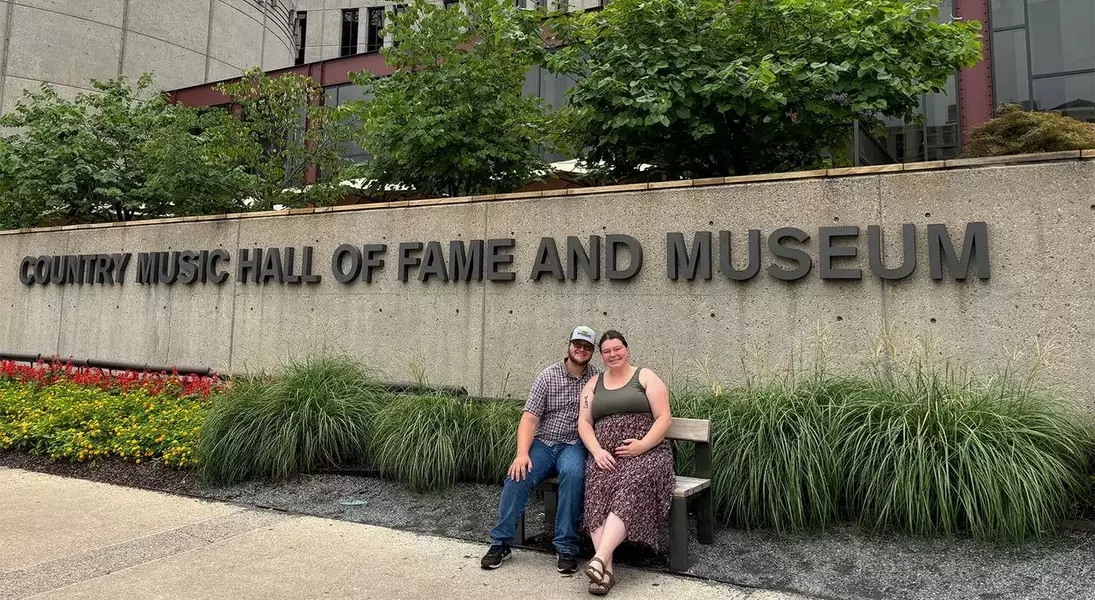
Their journey continued to Nashville, a city they chose for its rich country music heritage, hoping to immerse themselves in the Grand Ole Opry and the Country Music Hall of Fame and Museum. The wife had thoughtfully selected a hotel near the vibrant Broadway nightlife, only to realize that their preference leaned away from such energetic scenes. The husband's earlier comments about the crowds were soon accompanied by observations on the hotel's excessive luxury, remarking that a simple motel would have sufficed. Despite the wife's insistence on a special experience for their honeymoon, the intense humidity, incessant party buses, and negative encounters with pedestrians in Nashville eventually wore them down. By their last evening, a silent mutual understanding passed between them: they were ready to return home.
Despite the challenges and unexpected discomforts, their Tennessee trip wasn't devoid of pleasant moments. They cherished attending the Opry together, collecting souvenirs, and reminiscing about their favorite country music artists. Yet, the overall experience served as a powerful reminder of the deep satisfaction they derived from their life in rural Indiana. They concluded that their small community was the perfect setting for them, and that the time spent together in the tractor during harvest was a more authentic and meaningful celebration of their union and their shared aspirations for the future. The call of home was undeniable, reaffirming that their hearts truly belonged in Indiana, a sentiment that many farmers and their partners can surely appreciate.
