This report details the 2025 harvest season for California's prune and canning peach industries, highlighting the unexpected trade-off between lower yields and superior fruit quality. It delves into the reasons behind these trends, including favorable weather conditions, and examines the market implications for these valuable crops amidst supply challenges and broader economic shifts affecting processors.
Golden State's Sweet Paradox: Scarce Yields, Stellar Quality
Understanding the Prune Season's Unique Characteristics
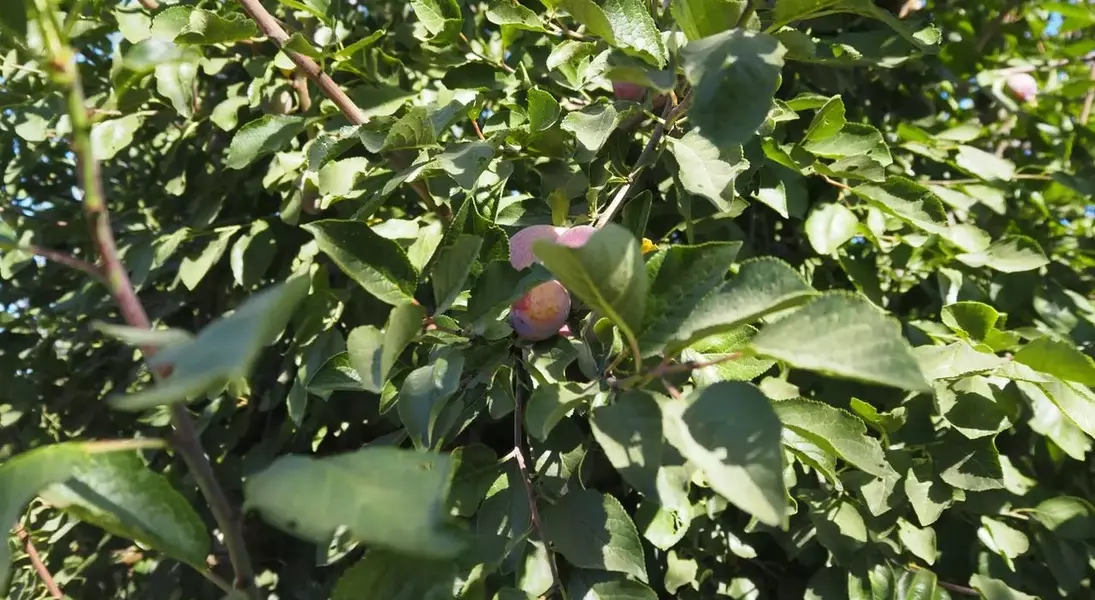
As the August harvest intensifies in California's Central Valley, producers of both prunes and canning peaches are noting a significant deviation from expected yields. Despite a smaller overall volume, the quality of the fruit remains remarkably high. For instance, the California Prune Board projects a 2025 harvest of approximately 65,000 short tons, a decrease compared to prior seasons. This reduction, however, has inadvertently benefited the fruit's size and overall excellence.
Orchard Management: Adapting to Natural Crop Reduction
Lee Heringer, managing operations at M&T Chico Ranch, recently shared insights into their prune cultivation. He observed that the natural reduction in crop load this year eliminated the need for manual thinning, a process typically required to achieve optimal fruit size. This natural selection has allowed the trees to dedicate more energy to fewer fruits, resulting in larger, higher-quality prunes. Such a scenario, though leading to lower overall tonnage, is viewed positively by growers who prioritize premium produce.
Cling Peach Production: Navigating Reduced Output
Similarly, the canning peach industry faces its own set of challenges. The California Canning Peach Association's initial forecast of 224,000 tons appears unlikely to be met, with early yields indicating a 12% shortfall. This reduction is attributed to a combination of last summer's extreme heat and an unusual bloom pattern during the recent winter and spring seasons, as reported by University of California, Davis plant sciences professor Thomas Gradziel.
The Critical Role of Favorable Weather in Fruit Development
Ryan Jacobsen, CEO of the Fresno County Farm Bureau and an experienced grower, underscored the importance of this summer's mild temperatures. He explained that these moderate conditions have been exceptionally beneficial for a diverse range of crops, including prunes. Counter to common perception, excessively hot weather can be detrimental to agricultural yields. The absence of extreme heat this season has contributed significantly to the enhanced fruit quality across the region.
Market Dynamics: Premium Quality Amidst Tight Supplies
While the reduced harvest volumes for both prunes and peaches will undoubtedly influence supply chains and market planning, the consistent high quality of the fruit offers a silver lining. Donn Zea, executive director of the California Prune Board, emphasizes that this year's crop, though smaller, provides a unique opportunity for trade partners to highlight the value and premium positioning of California prunes in the global market. California continues to lead worldwide in prune production, exporting to over 60 countries, with the harvest expected to conclude by mid-September.
Challenges in the Canning Peach Sector: Del Monte's Financial Woes
The canning peach industry faces additional hurdles, particularly concerning pricing negotiations with canneries. This comes at a precarious time, especially with the news of Del Monte Foods Corp., a major buyer of cling peaches, filing for Chapter 11 bankruptcy. Despite securing substantial debtor-in-possession financing to maintain operations during its sale, this development introduces considerable uncertainty for peach growers who rely on such processors.
