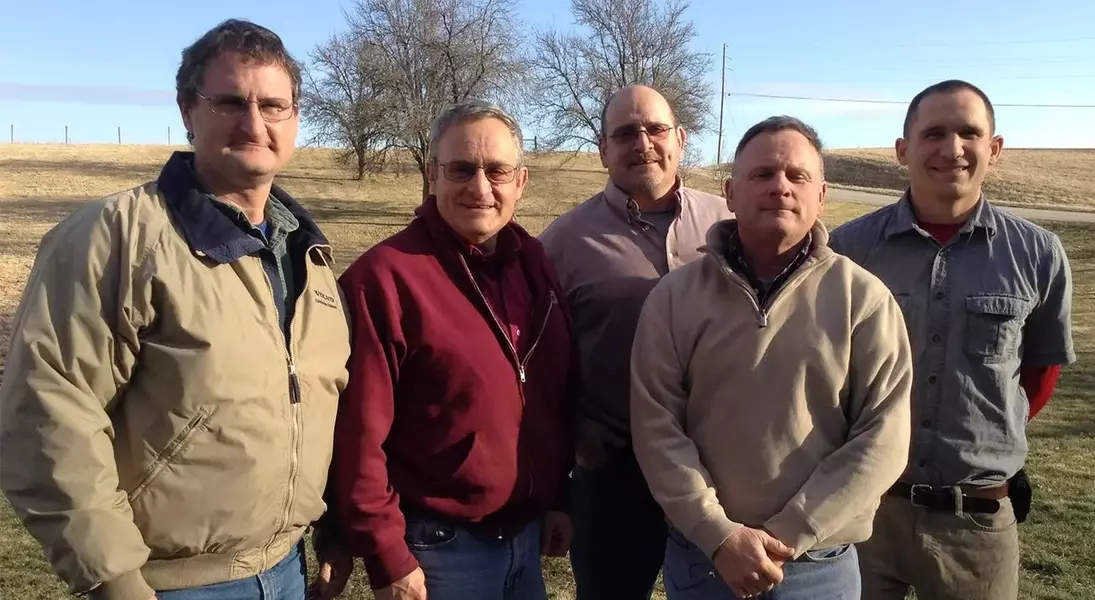
The Corcoran family has earned recognition as an Ohio 2025 Conservation Farm Family award recipient for their innovative approach to agricultural sustainability. Their 4,500-acre farm, spanning Ross and Pike counties in south-central Ohio, embodies a philosophy that conservation is not a rigid system but a dynamic process requiring continuous adaptation to the land's unique characteristics. This multi-generational enterprise cultivates a diverse array of crops, including corn, soybeans, popcorn, and hay, alongside a robust cattle operation. Their commitment to integrating practices such as cover cropping, no-till methods, and strategic land management underscores a dedication to long-term ecological health and operational resilience. Their journey highlights the importance of tailored solutions in fostering a thriving agricultural landscape while preserving vital natural resources.
The Corcoran family's success stems from a comprehensive and adaptive strategy that prioritizes environmental stewardship while maintaining agricultural productivity. Their leadership in conservation practices is a testament to their forward-thinking vision, demonstrating how a customized approach to farm management can yield significant benefits for both the land and the community. By embracing a holistic view of sustainability, they are not only safeguarding their own enterprise but also setting a precedent for others in the farming sector, illustrating that responsible land use is integral to a prosperous future.
Cultivating Resilience Through Strategic Cover Cropping
The Corcoran family's success hinges on a patient and methodical approach to cover cropping. They understand that maintaining year-round vegetation across their expansive farmland offers numerous advantages, including enhanced soil health, efficient nutrient retention, carbon sequestration, and the accumulation of organic matter. Greg Corcoran, a fifth-generation farmer who returned to the family operation after a decade in construction, underscores that while the ecological benefits may not be immediately apparent, they are profoundly valuable, particularly in areas susceptible to erosion. This commitment to continuous soil improvement is a cornerstone of their long-term sustainability vision.
Implementing cover crops on 4,250 acres requires innovative techniques and ongoing learning. The Corcorans have explored diverse seeding methods, from drone applications into standing crops to integrating seeders with vertical tillage equipment during stalk management. This careful balance ensures minimal soil disturbance while effectively establishing cover. Timing is paramount; planting cover crops immediately after harvest maximizes their growth potential and subsequent benefits. Their experimentation extends to various seed mixtures, including pure clover stands and blends of barley, clover, and rapeseed, to identify the most effective combinations for their specific objectives. This iterative process of experimentation and adaptation, though challenging, has allowed them to refine their practices, leading to a more resilient and productive agricultural system.
Integrated Conservation: A Holistic Farm Management Approach
The Corcoran family's conservation efforts extend beyond cover crops, encompassing a multifaceted approach to land management that leverages modern technology and traditional wisdom. Their comprehensive strategy includes dedicated waterways, livestock exclusion fencing to protect sensitive areas, and effective drainage water management systems. Furthermore, they actively engage in forestry stewardship, collaborating with natural resource specialists and foresters to manage invasive species, address tree health, and promote forest regeneration. This integrated system ensures that every aspect of their 4,500-acre operation contributes to the overall ecological balance and productivity of the farm.
Their commitment to sustainability is woven into every facet of their operation, from a balanced crop rotation of corn and soybeans, complemented by decades of popcorn cultivation, to their closed-herd cattle operation and direct-to-consumer beef sales. Grazing management incorporates rotational practices and strategic fencing to minimize livestock impact on woodlands and water sources. Beyond the practical application of conservation, the Corcoran family actively engages in community education and advocacy, promoting sustainable agricultural practices through school visits, career day presentations, and legislative engagement. They view themselves as stewards of the land, entrusted with protecting and enhancing natural resources for future generations, a philosophy that prioritizes long-term ecological health and legacy over short-term production gains.
