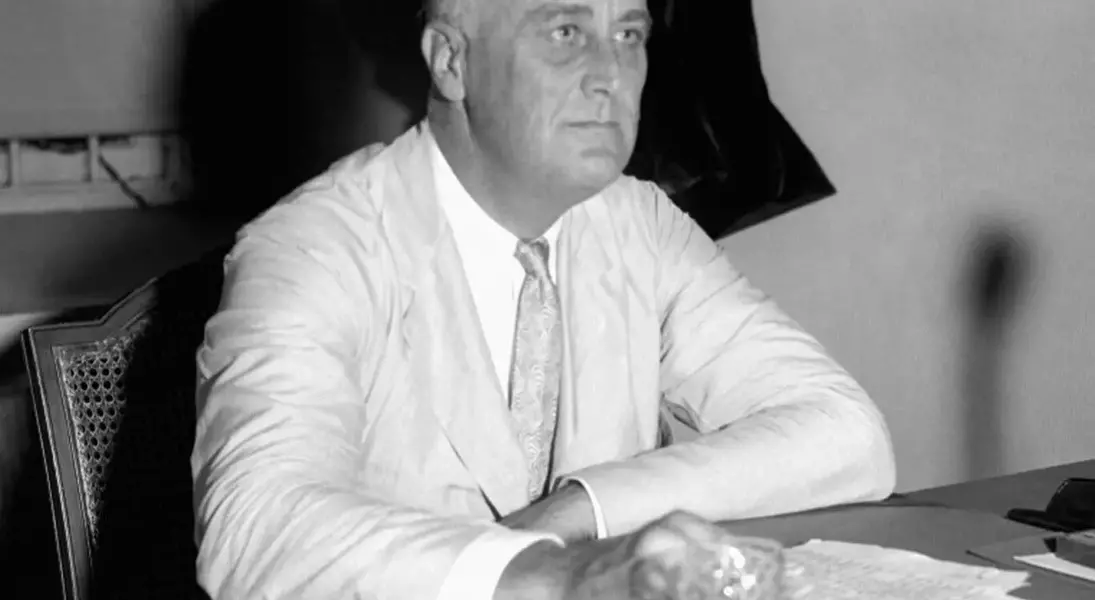
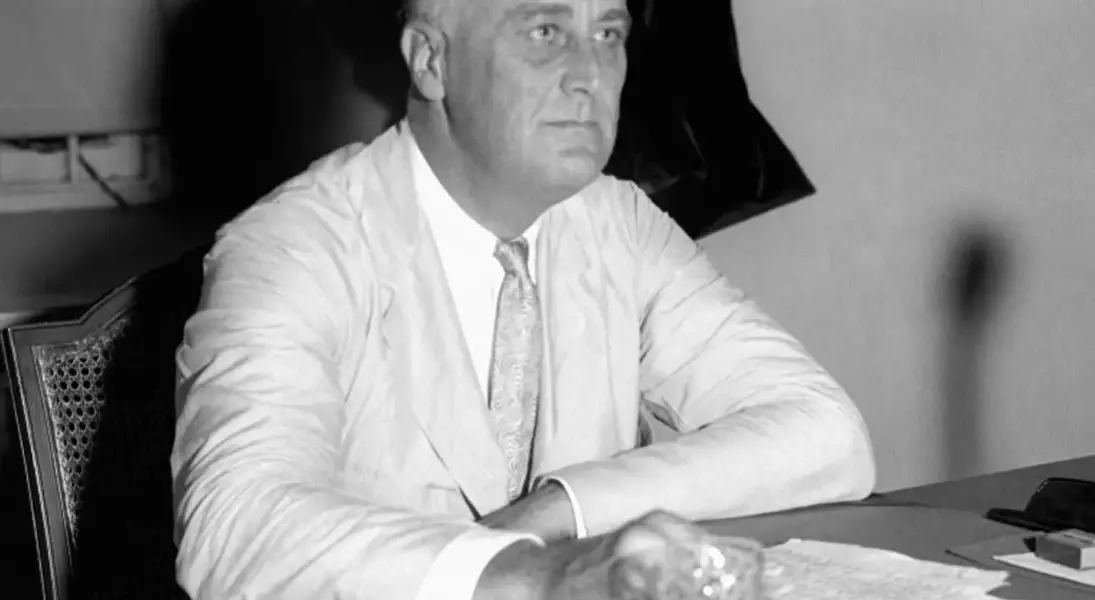
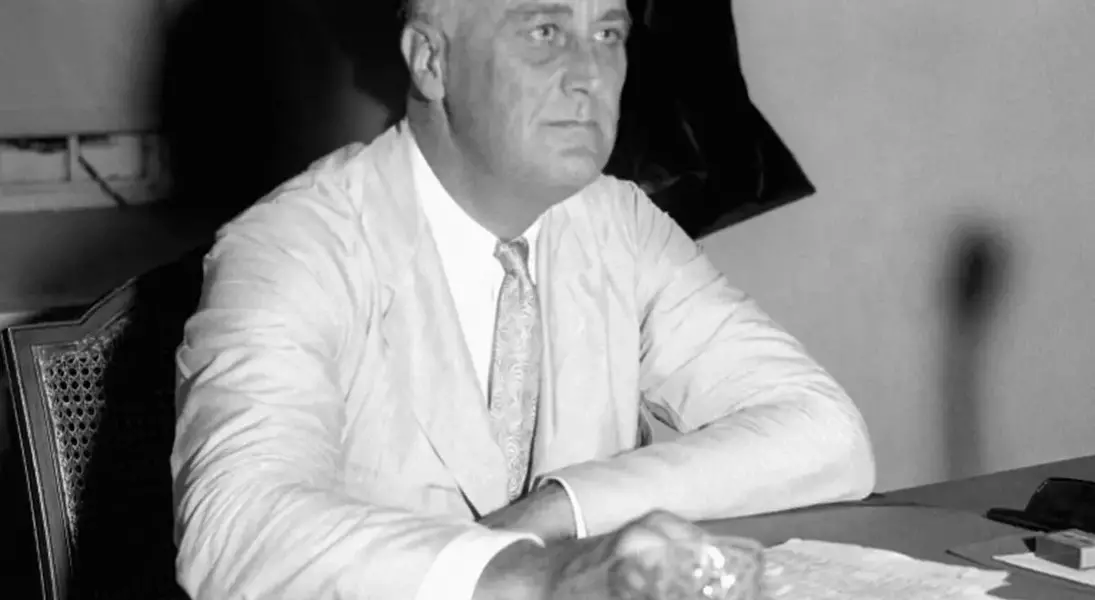
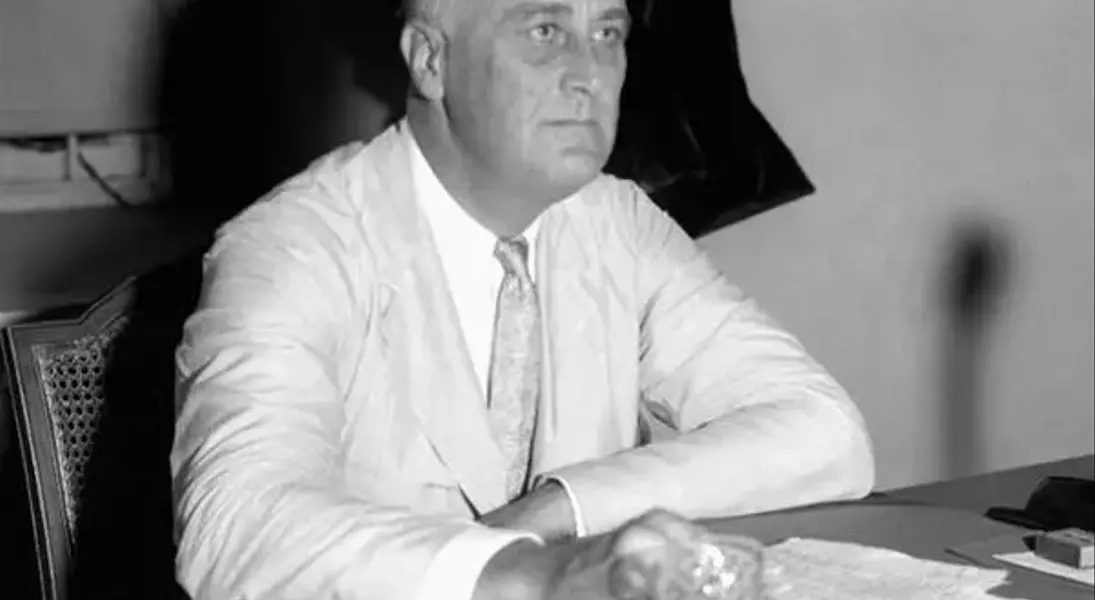
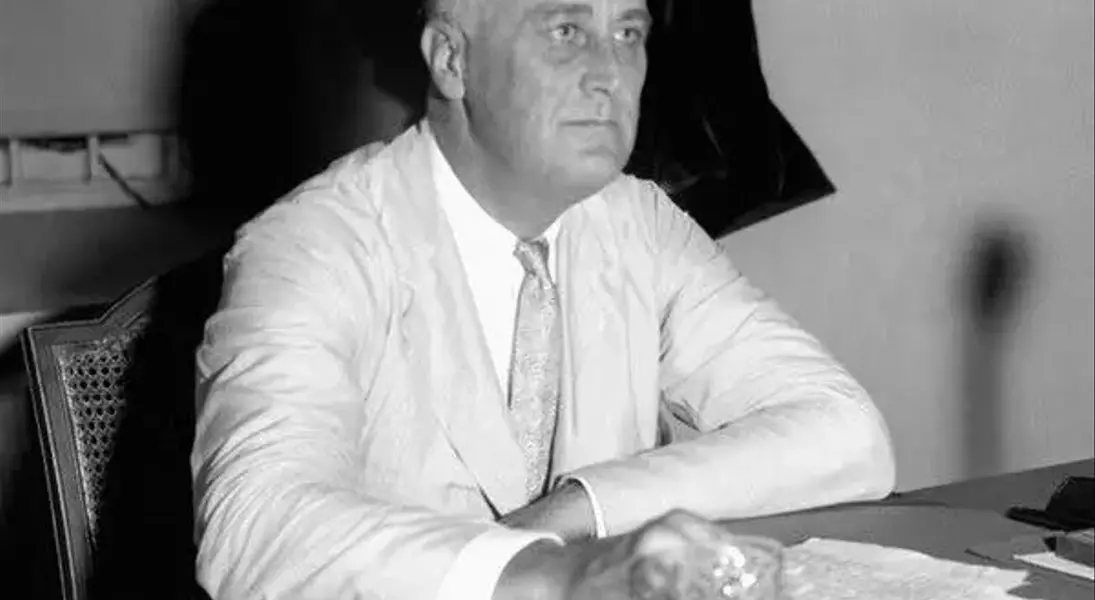
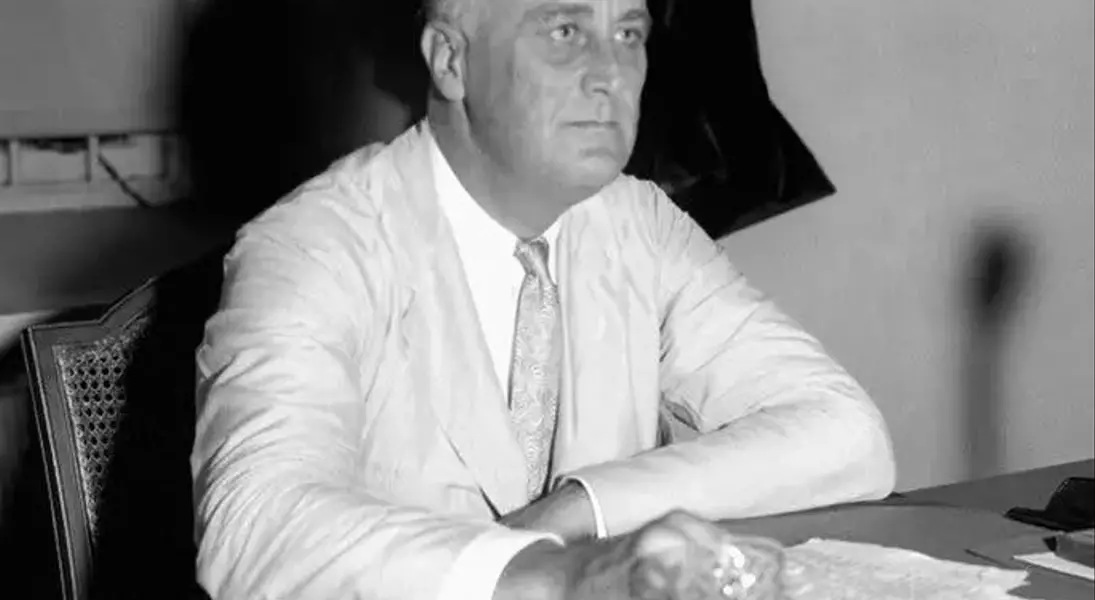
A landmark Supreme Court case, reminiscent of a 90-year-old clash between President Franklin D. Roosevelt and Federal Trade Commission member William E. Humphrey, is poised to redefine presidential authority over independent agencies. This legal battle will revisit the precedent that protected regulatory bodies from executive overreach, examining whether the nearly century-old ruling remains relevant in contemporary governance. The original case affirmed Congress's power to shield these agencies, a principle now under scrutiny amidst debates over the balance of power within the U.S. government.
The upcoming Supreme Court review centers on a historical precedent concerning the President's authority to dismiss leaders of independent government agencies. This legal debate echoes a 1930s conflict where President Franklin D. Roosevelt sought to remove William E. Humphrey from the Federal Trade Commission. Humphrey, a conservative lawyer, resisted, asserting that Congress had established his position to operate independently of political influence. Roosevelt's efforts to oust Humphrey, whom he viewed as an impediment to his New Deal policies aimed at economic recovery, ultimately led to a Supreme Court ruling against the President. This decision reinforced the principle that Congress could enact laws to protect independent regulators from arbitrary presidential firings, a precedent that has shaped the relationship between the executive branch and independent agencies for over nine decades. The current Court's decision on this matter could significantly alter the dynamics of presidential power and the autonomy of regulatory bodies.
The Historical Confrontation: Roosevelt, Humphrey, and Executive Authority
The impending Supreme Court case draws heavily on a historical conflict between President Franklin D. Roosevelt and William E. Humphrey, a Federal Trade Commission member. Roosevelt, driven by a bold agenda to combat the Great Depression, sought to exert control over government agencies to implement his policies. Humphrey, however, resisted the President's demand for his resignation, asserting the independence of his office as established by Congress to be free from political interference. This clash brought to the forefront the critical question of presidential power in dismissing heads of independent agencies, leading to a landmark Supreme Court decision that has influenced U.S. governance for decades.
In the midst of the Great Depression, President Franklin D. Roosevelt initiated the New Deal, a series of ambitious programs designed to revive the nation's economy. To effectively execute this agenda, Roosevelt aimed to consolidate executive control over various governmental bodies. William E. Humphrey, a commissioner at the Federal Trade Commission, became a symbol of resistance to this expansion of presidential power. Humphrey, a staunch conservative, refused to vacate his position despite Roosevelt's direct request, arguing that his role, as defined by Congress, was to operate without direct political pressure from the executive branch. This standoff culminated in the Supreme Court case of Humphrey's Executor v. United States, where the Court sided against Roosevelt. The ruling affirmed that Congress possesses the constitutional authority to create independent agencies whose leaders are protected from presidential removal without cause, thereby establishing a significant check on executive power and preserving the integrity and autonomy of regulatory bodies.
The Enduring Precedent: Judicial Review of Presidential Firing Powers
The Supreme Court is preparing to re-examine a pivotal 90-year-old legal precedent that has long defined the limits of presidential authority in dismissing heads of independent federal agencies. This precedent, established during the Roosevelt administration, affirmed Congress's right to protect these positions from arbitrary executive removal, ensuring their independence from political sway. The upcoming review will assess the continued validity and implications of this long-standing decision, potentially reshaping the balance of power between the executive and legislative branches and the operational autonomy of regulatory bodies.
For nearly a century, the precedent set during Franklin D. Roosevelt's presidency has been a cornerstone of American administrative law, dictating the extent to which a president can remove officials from independent regulatory commissions. The original ruling underscored the importance of an independent bureaucracy, insulated from the shifting tides of political change, to ensure stable and impartial oversight. This judicial interpretation has allowed agencies like the Federal Trade Commission to operate with a degree of autonomy, fostering public trust and enabling long-term policy implementation free from immediate political reprisal. The Supreme Court's current decision to revisit this precedent could lead to a significant reinterpretation of constitutional powers, potentially granting future presidents greater control over the executive branch's administrative components, or reaffirming the long-held principle of independent agency oversight. The outcome will have profound implications for the structure of federal governance and the integrity of regulatory functions in the United States.
