
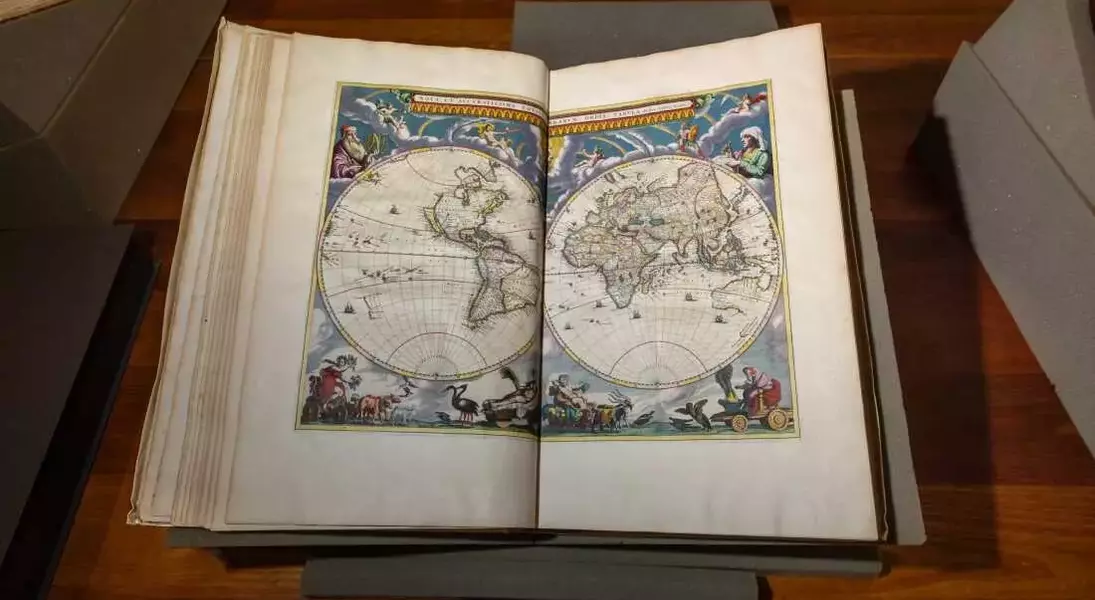
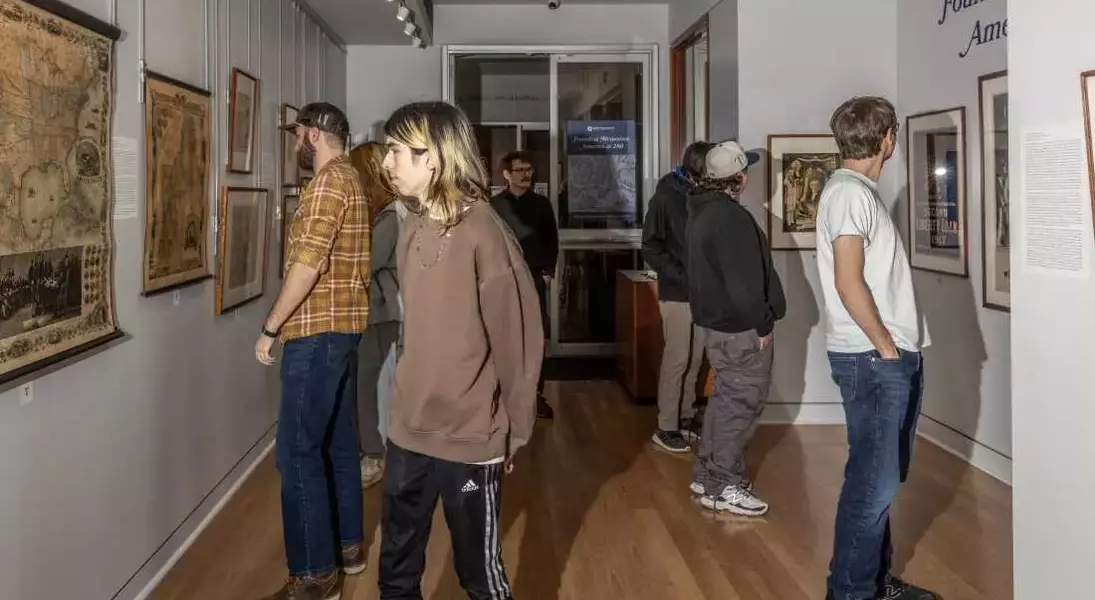
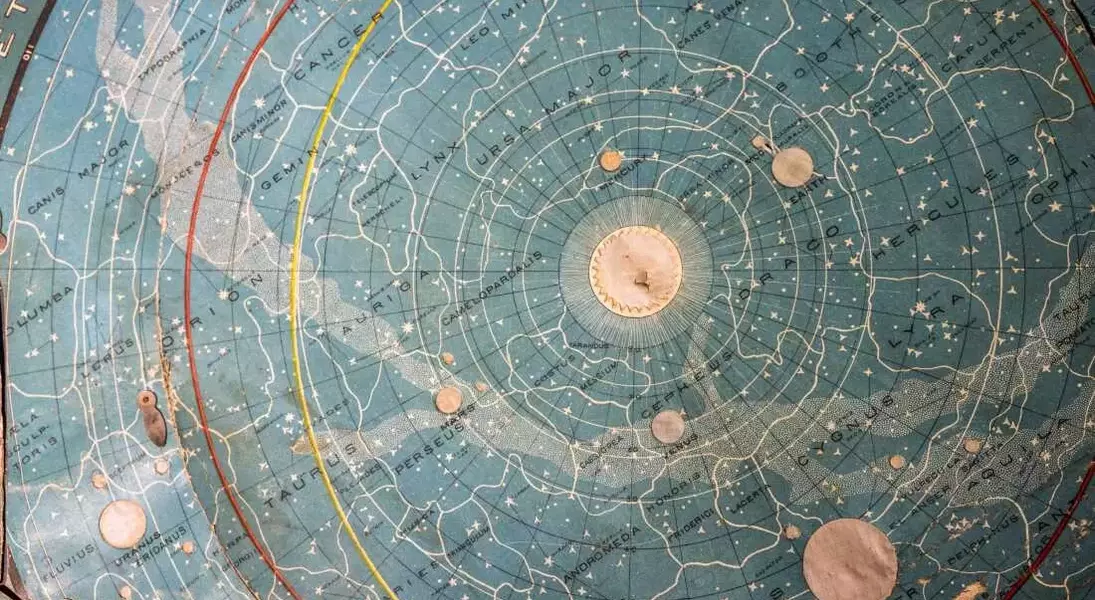
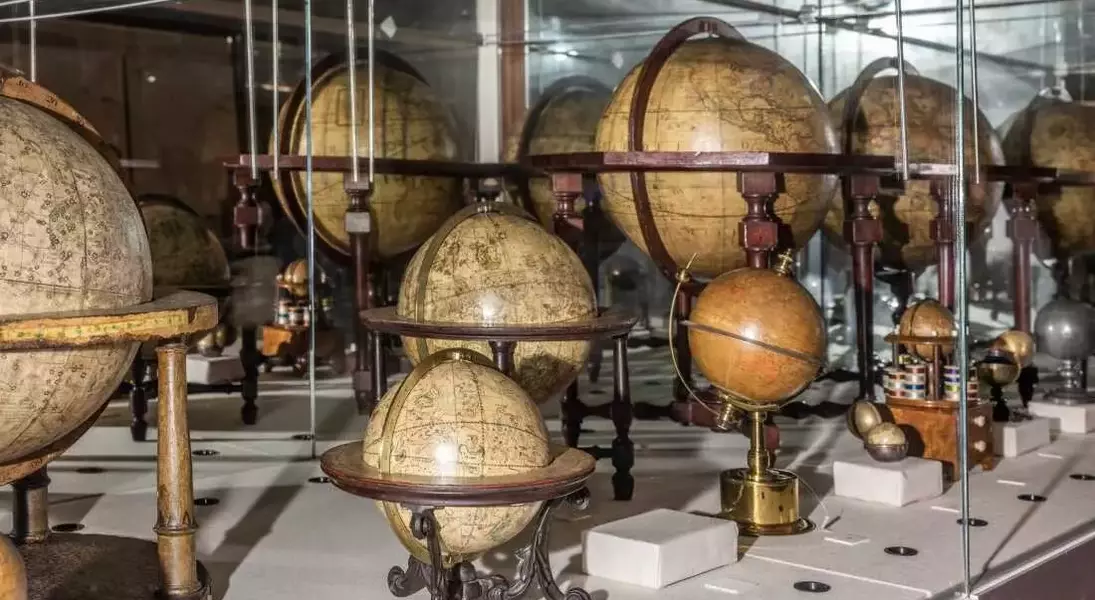
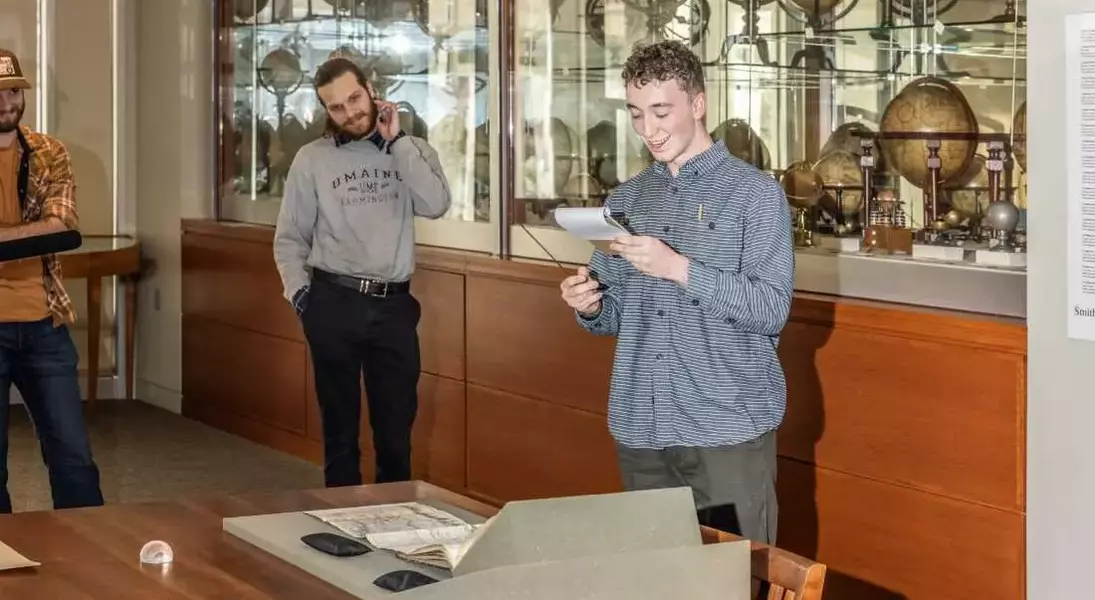
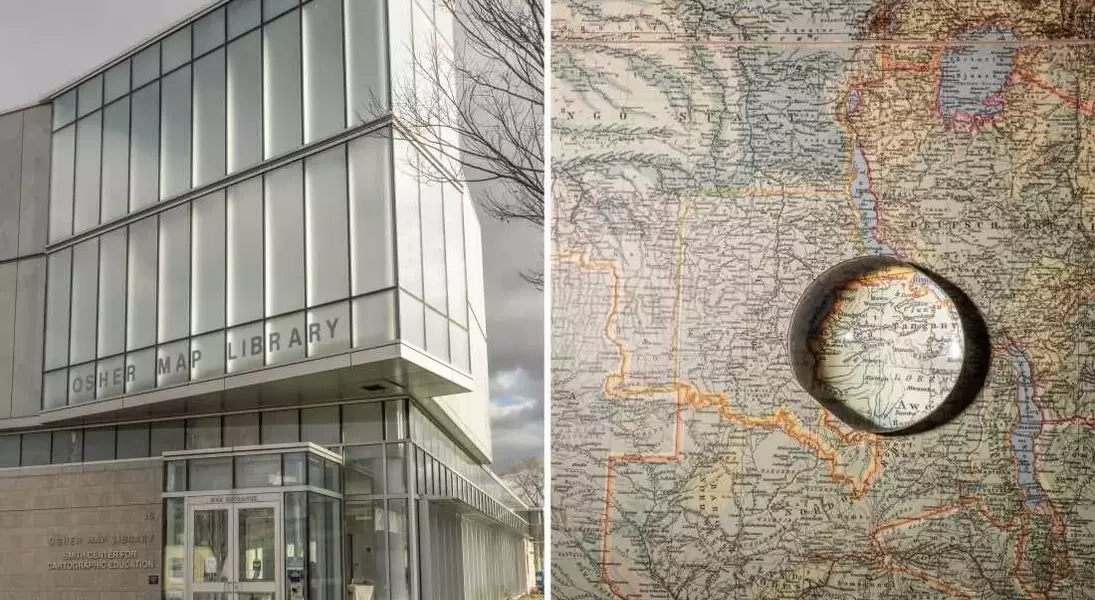
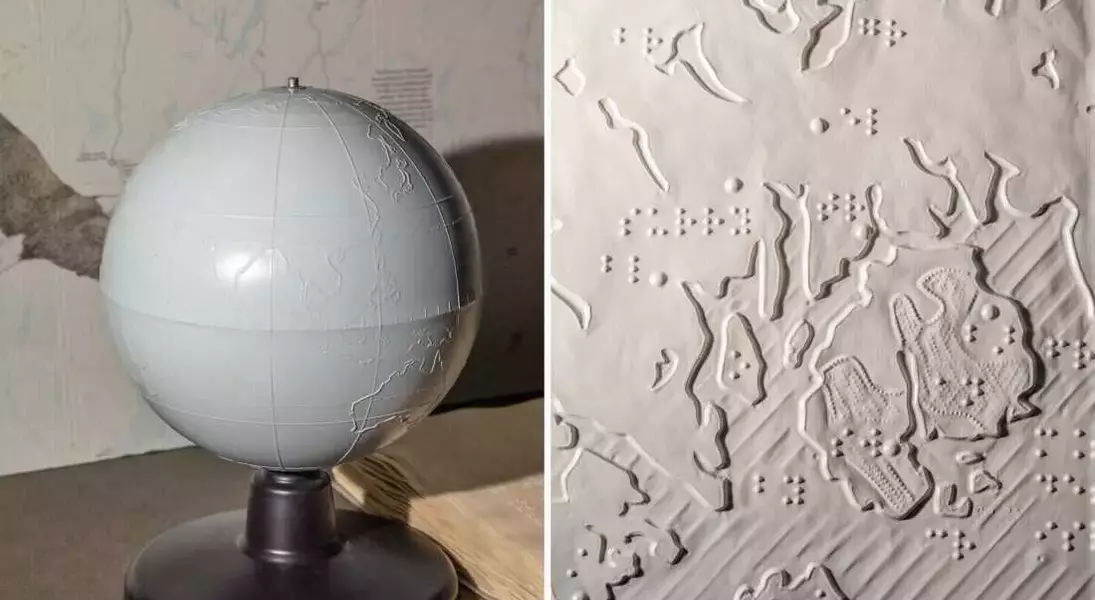
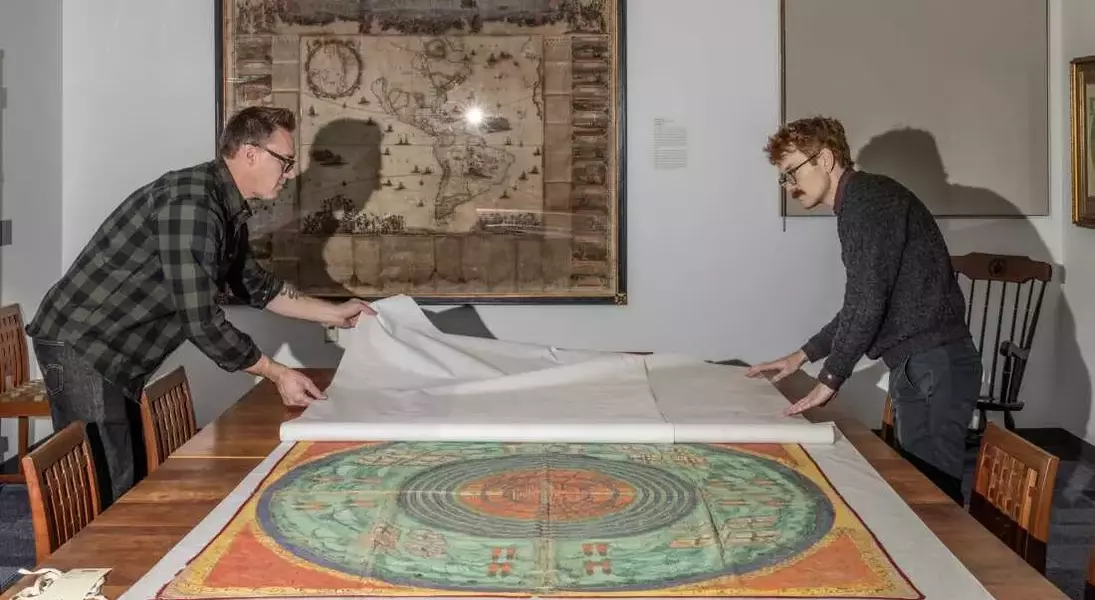
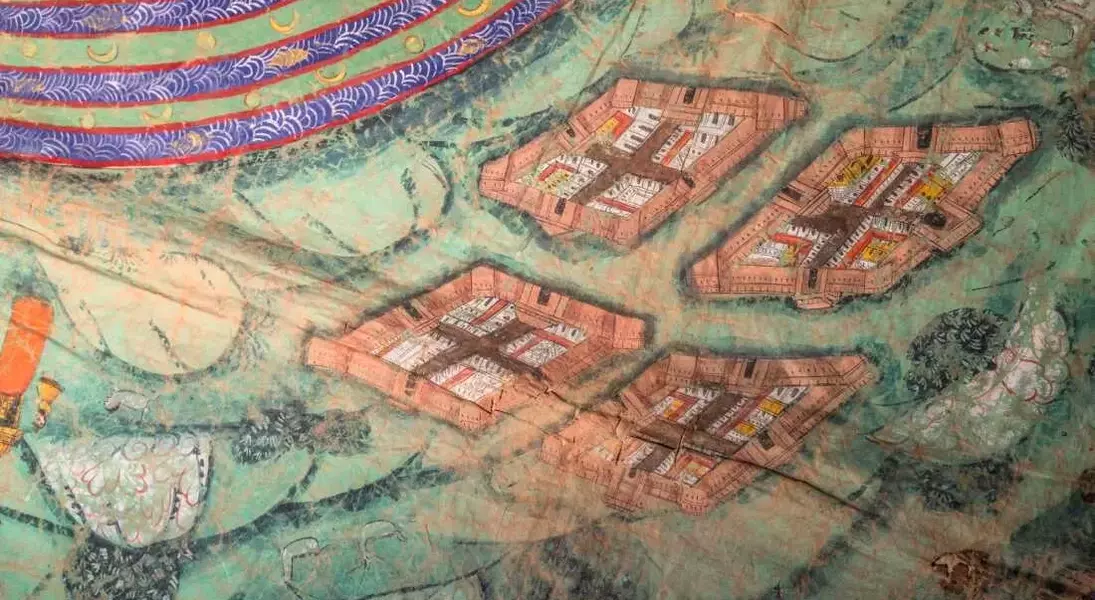
The Osher Map Library and Smith Center for Cartographic Education in Portland, Maine, serves as a dynamic hub for exploring the rich history and cultural significance of maps. Unlike digital navigation tools, physical maps offer a profound sense of scale, place, and historical context, connecting individuals to a broader understanding of the world. This institution, with its extensive collection ranging from ancient globes to intricate cosmological shrouds, provides an interactive learning environment where students can directly engage with cartographic artifacts. By making these historical items accessible, the library aims to cultivate an appreciation for the evolution of geographical understanding and the diverse ways humanity has visualized its place in the universe.
Beyond merely showcasing antique items, the library emphasizes critical thinking about cartographic representations. Students are encouraged to recognize that maps are not always empirical truths but often reflect the perspectives, biases, and power structures of their creators. This approach transforms the study of maps into an interdisciplinary exploration, linking geography with history, sociology, and even art. The library’s commitment to education is evident in its outreach programs, which annually engage thousands of students from various educational levels and academic fields, demonstrating the universal relevance of cartographic knowledge.
Engaging with Cartographic Heritage
The Osher Map Library in Portland, Maine, offers a distinctive educational environment where students can directly engage with historical maps and globes. This hands-on approach contrasts sharply with the passive experience of digital navigation, highlighting the unique value of physical cartography in conveying a deeper sense of scale, geographical context, and the interconnectedness of our world throughout history. The library's collection, which includes artifacts spanning hundreds of years, provides insights into how different civilizations have understood and depicted their surroundings.
At the Osher Map Library, students are not just spectators but active participants in uncovering the stories embedded within each map. They explore ancient globes and early atlases, many of which date back over four centuries, revealing a fascinating evolution of geographical knowledge. A key aspect of their learning involves understanding how cartography reflects the historical perspectives and cultural viewpoints of different eras, offering a tangible connection to the past that modern GPS systems cannot replicate.
The Multifaceted World of Maps and Education
The Osher Map Library and Smith Center for Cartographic Education in Maine champions an interactive learning experience, allowing students to physically engage with a diverse collection of maps and globes that span centuries. This unique approach contrasts with contemporary digital navigation, providing a deeper understanding of scale, geographical context, and the historical evolution of global perspectives. The library's impressive collection, featuring items from 400-year-old globes to complex cosmological charts and atlases, encourages students to critically examine how different cultures have perceived and represented their world.
The institution is dedicated to fostering an understanding that maps are more than mere geographical representations; they are powerful reflections of human perspective, ambition, and historical realities. Educational programs at the library challenge students to recognize the inherent biases and viewpoints of mapmakers throughout history, showcasing how cartography has been influenced by political and cultural contexts. With over half a million cartographic items, including rare books like the 1493 Nuremberg Chronicle, the library integrates its resources across numerous academic disciplines, from history to environmental science and even nursing, highlighting the broad relevance of cartographic literacy. This comprehensive engagement ensures that maps become living documents that illuminate historical narratives, cultural shifts, and humanity's evolving understanding of its place in the cosmos.
