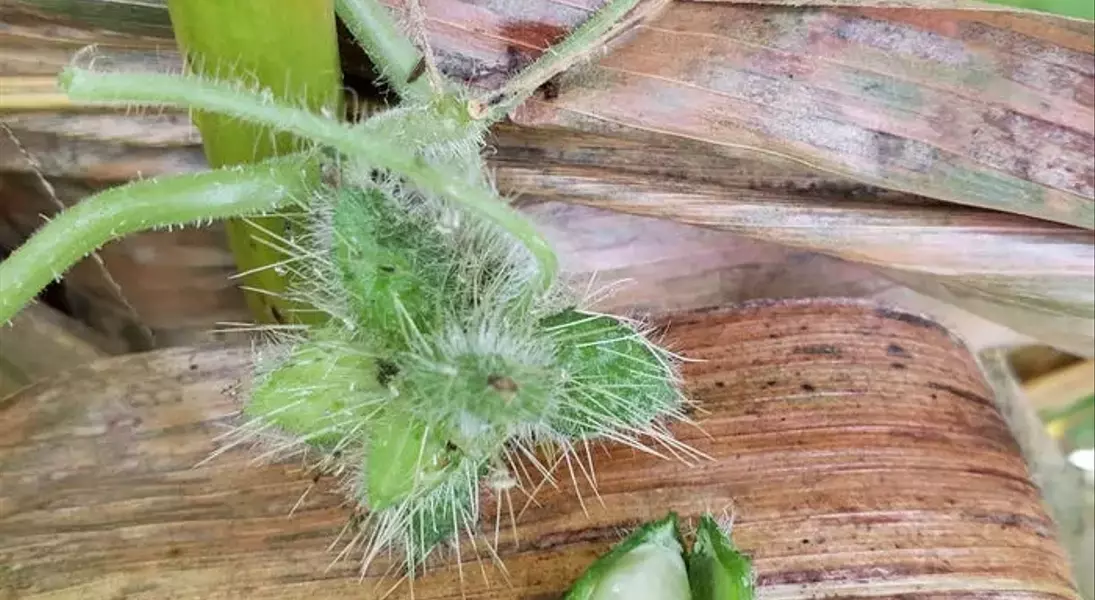
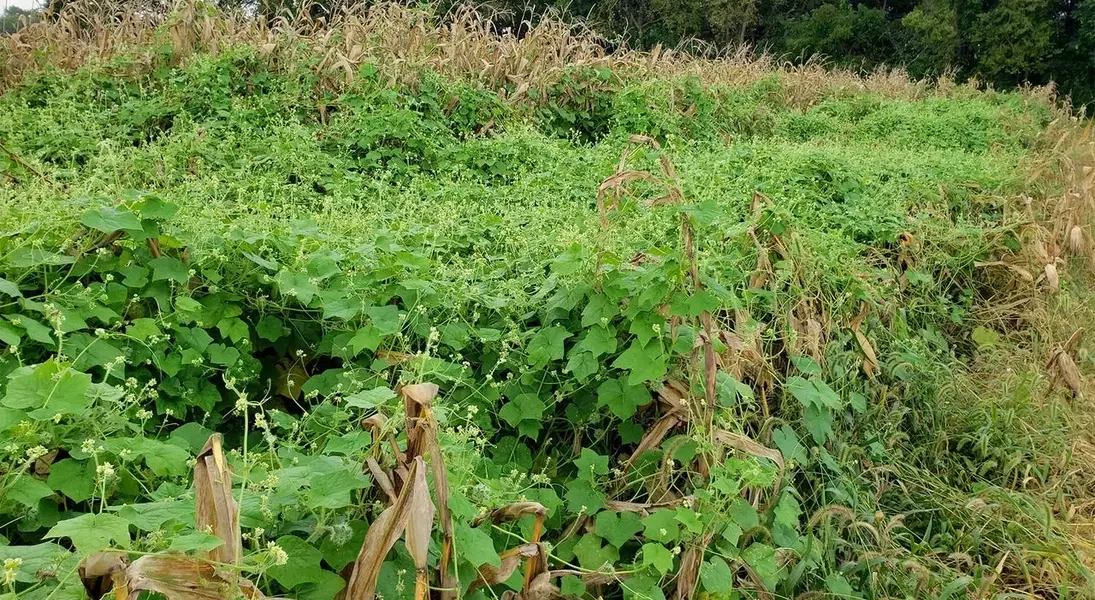
Effective management of burcucumber in corn fields is paramount, particularly during the silage harvest. This invasive weed, known for its late germination and rapid growth, can quickly outcompete corn if not addressed. Research underscores the critical role of timely silage harvesting, as it can significantly reduce the viability of burcucumber seeds, thereby disrupting its reproductive cycle. Implementing a comprehensive, season-long weed control strategy, including a two-pass herbicide program, is crucial for sustained suppression of this problematic plant.
While late-season herbicide applications are largely ineffective for burcucumber that has already emerged and spread, alternative strategies and preventive measures can help mitigate its impact. These include avoiding the spread of seeds via farm equipment, employing no-till practices to keep seeds near the soil surface, and selecting shorter-season corn varieties to facilitate earlier silage harvest. Furthermore, understanding the limitations of certain chemical treatments and prioritizing non-chemical methods, such as ensiling, will contribute to a more sustainable and effective burcucumber management plan.
Optimal Silage Timing for Seed Suppression
Controlling burcucumber in corn fields requires careful attention, particularly as silage harvest approaches. This weed frequently emerges late in the growing season, especially in moist conditions, often going unnoticed until it extends above the corn canopy. Addressing burcucumber effectively is crucial for maintaining crop health and yield. The ensiling process offers a valuable opportunity to manage this persistent weed by targeting its seed viability. Immature burcucumber seeds, characterized by their green or cream-tan color, are highly susceptible to destruction during ensiling. Penn State University research demonstrates that an eight-week ensiling period can reduce the viability of immature seeds to a mere 2%, a stark contrast to the 87% viability observed in mature, dark brown seeds. This highlights the importance of harvesting silage early to prevent the maturation of burcucumber seeds, thus breaking their reproductive cycle and minimizing future infestations. Additionally, harvesting corn for silage proactively prevents mature seeds from being reintroduced into the field via combine harvesters, further curbing the spread of this invasive species.
Given the challenges posed by burcucumber's late emergence, particularly when it has already formed a canopy over the corn, effective strategies are essential for its management. Post-tasseling herbicide applications are largely ineffective, as many common herbicides such as glyphosate, Peak, dicamba, Callisto, and Liberty are only approved for use on corn before or during its early growth stages (e.g., prior to V8). This limitation means that drone or high-clearance sprayer applications during the late season are not viable options for burcucumber control. Although some herbicides can be used as harvest aids before grain harvest, their effectiveness against burcucumber is generally low, and they typically do not prevent mature seeds from entering the field or contaminating the harvested grain, which can exacerbate the problem in subsequent seasons. While paraquat (Gramoxone) is often the most effective preharvest herbicide, it primarily serves to desiccate green weed tissue to facilitate harvesting rather than providing comprehensive control. Other late-season corn herbicide options are available, but they offer only limited suppression and desiccation, requiring specialized high-clearance or aerial application. These treatments are primarily intended to dry down weeds for easier harvesting and usually require at least a week to show results, with varying efficacy depending on weed species and size. It is crucial to remember that harvest aids should not be used to accelerate crop maturity, as premature application can disrupt natural maturation processes. Always consult specific product labels for correct application rates, timing, and restrictions to ensure safe and effective use.
Integrated Approaches for Sustained Weed Control
For growers grappling with persistent burcucumber infestations, a multifaceted approach is critical. Preventing the spread of burcucumber seeds is paramount, and this can be achieved by thoroughly cleaning harvesting and tillage equipment before moving between fields. This simple yet effective measure helps to contain existing infestations and prevent their spread to uninfected areas. Furthermore, adopting no-till farming practices can play a significant role in managing burcucumber populations. By leaving the soil undisturbed, no-till methods keep burcucumber seeds on the soil surface, where they are more vulnerable to predation, decomposition, and environmental factors, rather than burying them deeper where they can remain viable for longer periods. Another proactive strategy involves planting shorter-season corn varieties, which allows for earlier silage harvest. This earlier harvest can be timed to coincide with the immature stage of burcucumber seeds, ensuring that ensiling effectively destroys their viability before they reach maturity and become capable of germination. These integrated practices, combined with chemical interventions, form a robust framework for long-term burcucumber management.
Achieving season-long control of burcucumber necessitates a robust herbicide program that goes beyond single applications. A two-pass herbicide strategy, comprising both pre-emergent and post-emergent treatments, is essential for comprehensive control. Pre-emergent herbicides establish a residual barrier that prevents early-season germination, while post-emergent herbicides target weeds that emerge later in the growing cycle. Such programs should incorporate effective residual herbicides to provide extended control and foliar herbicides to address actively growing burcucumber plants. Penn State research has shown that using Peak herbicide, when applied to corn approximately 20 inches tall, consistently provides excellent season-long control of burcucumber. While Peak has demonstrated strong performance, other herbicides can also be integrated into these two-pass programs to diversify control measures and reduce the risk of herbicide resistance. It is vital to note that relying solely on preharvest herbicide applications for burcucumber control is generally ineffective, as these treatments are primarily designed for desiccation rather than complete eradication of the weed. Therefore, a strategic combination of cultural practices and a well-planned, two-pass herbicide regimen is indispensable for effectively breaking the burcucumber cycle and safeguarding corn yields.
