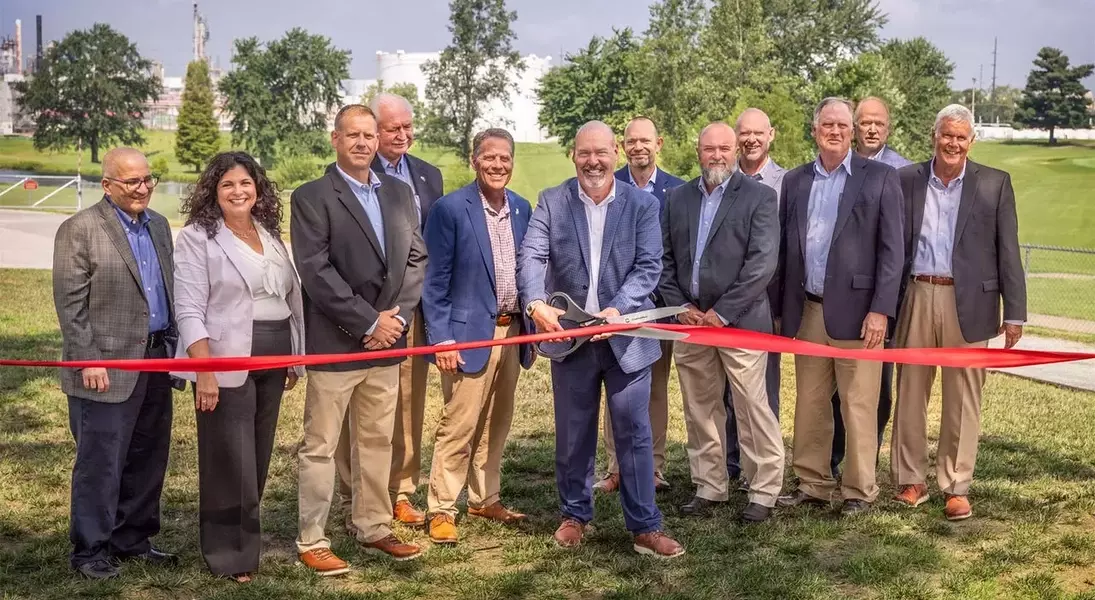
CountryMark's substantial $100 million investment in its Mount Vernon, Indiana, refinery represents a pivotal advancement in renewable fuel technology, promising extensive benefits for both the regional energy sector and local agriculture. This strategic upgrade introduces a co-processing capability, allowing the production of renewable diesel by blending soybean oil with conventional diesel. Unlike biodiesel, this new fuel offers superior characteristics, including enhanced stability and a lower cloud point, making it a more versatile and efficient option for the Midwest market. This initiative is set to create a significant new demand for soybean oil, projecting an annual consumption of up to 20 million gallons, thereby establishing a robust market opportunity for Indiana's soybean farmers. This forward-looking approach by CountryMark not only bolsters the state's economy but also positions Indiana at the forefront of sustainable energy solutions, addressing future fuel needs while supporting the agricultural community.
This transformative project transcends mere refinery expansion; it embodies a visionary commitment to integrating agricultural output with advanced energy production. The collaborative efforts between CountryMark and Indiana's agricultural leaders have culminated in a facility that will provide sustainable solutions for consumers and create tangible economic advantages for farmers. As the demand for renewable resources continues to grow, this expansion offers a template for how industrial innovation can harmoniously align with agricultural prosperity. It marks a clear progression toward a more sustainable and economically resilient future for the region.
Advancing Renewable Fuel Production
CountryMark's recent $100 million expansion at its Mount Vernon, Indiana, refinery is a major stride towards sustainable energy, introducing commercially available renewable diesel to the Midwest. This advanced co-processing technology, which blends soybean oil with conventional diesel, significantly boosts production capabilities and creates a vital new market for Indiana's soybean farmers. The new fuel offers superior performance characteristics compared to traditional biodiesel, marking a significant technological upgrade.
This pioneering project addresses the growing need for sustainable fuel alternatives by integrating agricultural products directly into the energy supply chain. The Mount Vernon facility's enhanced capacity will lead to an annual demand of up to 20 million gallons of soybean oil, providing a substantial and stable market for local farmers. This investment not only fortifies the region's energy independence but also ensures that Indiana remains at the vanguard of renewable fuel innovation. The superior qualities of this co-processed diesel, such as improved storage stability and a lower cloud point, make it a more desirable and efficient option for various applications, underscoring the long-term benefits of this strategic expansion.
Strategic Advantages for Agriculture and Sustainability
The CountryMark expansion offers multifaceted benefits, particularly for Indiana's agricultural sector, by creating new market avenues and bolstering the demand for soybean oil. This initiative is a testament to how industrial innovation can directly translate into economic advantages for farmers, while also contributing to broader environmental sustainability goals.
This significant refinery upgrade is hailed as a 'multi-win' for farmers, providing them with enhanced sales opportunities and strengthening the agricultural economy through increased demand for soybean oil. Beyond immediate economic gains, the expansion sets a precedent for future developments in renewable fuels, including sustainable aviation fuel, by proving the viability of large-scale, co-processing facilities. This proactive step by CountryMark alleviates future burdens by establishing robust, local solutions for sustainable energy production. It represents a synergistic partnership between industry and agriculture, fostering a win-win scenario that benefits both producers and consumers through a commitment to renewable resources and economic growth.
