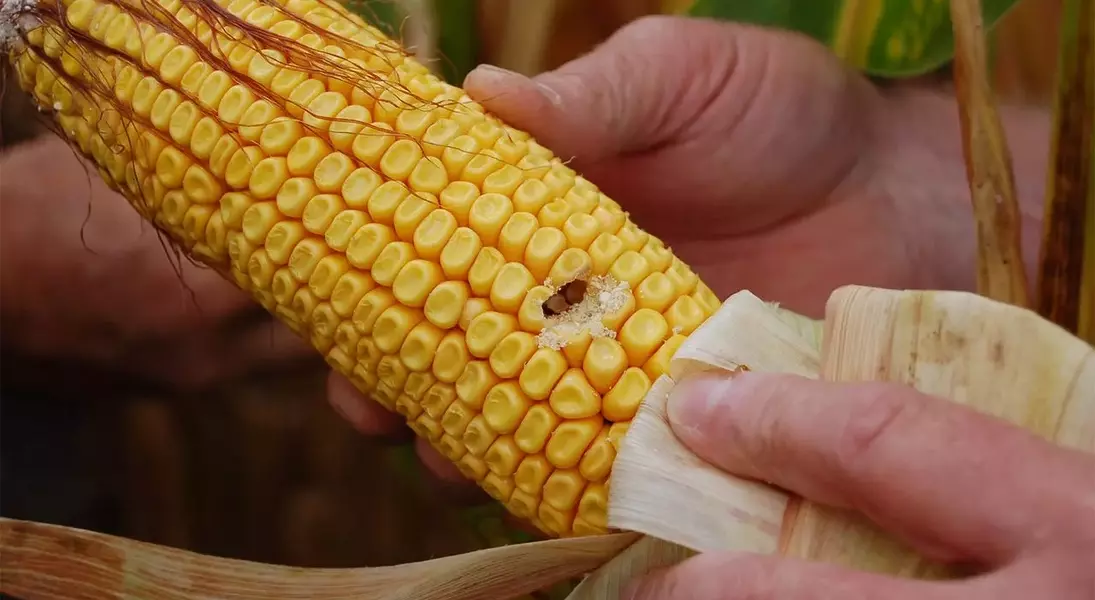
The agricultural landscape is undergoing a significant transformation, driven by innovative technologies that promise to enhance efficiency and sustainability. One pivotal area of development is the integration of artificial intelligence into pest management, offering a more precise and responsive approach to protecting crops. At the Missouri University of Science and Technology, Dr. Sajal Das leads a research team that has secured substantial grants to pioneer automated pest control systems. Their groundbreaking work involves deploying smart sticky traps with integrated sensors and cameras to detect insect presence. This real-time data is then transmitted to farmers via low-power, long-range radio frequencies, even utilizing drones for extensive coverage, thereby eliminating the need for high-speed internet in remote farming areas. This localized data processing, powered by machine learning, empowers growers with immediate insights for effective pest mitigation, moving beyond traditional broad-spectrum applications.
Beyond pest control, significant strides are being made in the realm of crop genetics, particularly for key staples like soybeans and corn. The acquisition of Benson Hill's assets by Confluence Genetics LLC marks a new era for soybean development. Leveraging a vast portfolio of patents and advanced growth chambers, Confluence Genetics aims to introduce superior soybean varieties by 2029, characterized by enhanced protein levels, improved oil quality, and other value-added traits. Similarly, Spearhead Bio, a startup from the Danforth Technology Co., is accelerating corn breeding through its proprietary Transposase Assisted Homology Independent Targeted Insertion (TAHITI) technology. This innovative method allows for precise gene insertion into crops, streamlining the breeding process and potentially leading to more robust and productive corn varieties. These genetic advancements are crucial for meeting global food demands with more resilient and nutritious crops.
Complementing these innovations are advancements in nutrient delivery, ensuring that crops receive essential elements precisely when they are needed. Ostara's Crystal Green fertilizer, for instance, represents a paradigm shift in plant nutrition. This commercially available phosphate fertilizer is designed to release phosphorus, nitrogen, and magnesium in direct response to crop demand. Its unique mineral composition ensures that nutrients are almost entirely bioavailable to plants, maximizing uptake and minimizing waste. This demand-driven nutrient release system holds immense potential for optimizing fertilizer use, reducing environmental impact, and fostering healthier, more productive harvests. The confluence of AI-driven pest control, cutting-edge genetic engineering, and smart fertilization techniques is paving the way for a more intelligent and resource-efficient future in agriculture.
These technological leaps are not merely incremental improvements but represent a fundamental re-imagining of agricultural practices, fostering a more sustainable and prosperous future for farming. By embracing these innovations, we can cultivate a world where food production is not only abundant but also environmentally responsible and economically viable, embodying a proactive and positive outlook for global food security and ecological stewardship.
