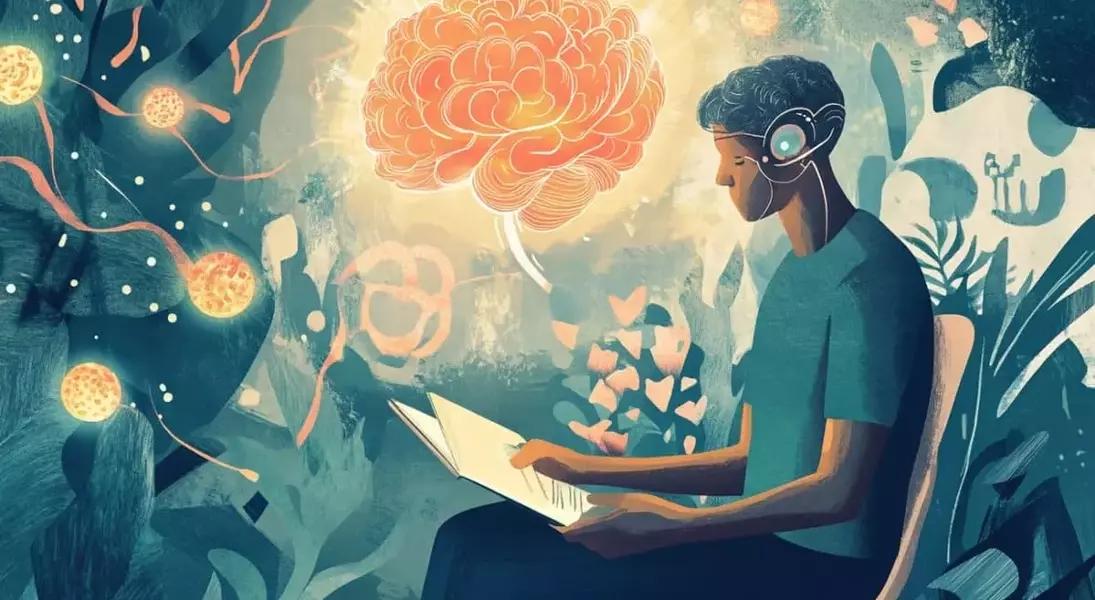
A groundbreaking study conducted at Martin Luther University Halle-Wittenberg reveals how a specific form of brain stimulation can subtly influence human decision-making processes. Researchers explored the effects of transcranial direct current stimulation (tDCS) on cognitive flexibility, focusing on a critical brain region responsible for planning and action sequencing.
Innovative experiments were designed to examine how varying levels of electrical stimulation impact individuals' choices during multitasking scenarios. Participants engaged in simultaneous auditory and visual tasks while receiving either an enhancing or inhibiting form of tDCS. The results demonstrated that increased neural activity through one type of stimulation led to faster decisions, whereas reduced activity encouraged adherence to prior choices. These findings underscore the potential role of targeted brain stimulation in modulating cognitive adaptability under controlled conditions.
Further analysis highlighted the statistical significance of these outcomes despite their relatively small magnitude. Experts emphasize that even minor changes in response times can indicate meaningful shifts in cognitive processing. Such insights contribute to a deeper understanding of how specific brain regions govern our ability to manage multiple tasks effectively. The dorsolateral prefrontal cortex emerged as a pivotal area in regulating decision-making strategies when faced with competing demands.
The implications of this research extend beyond theoretical knowledge, pointing toward practical applications in therapeutic settings. While commercial devices promoting enhanced creativity and focus through similar techniques abound, scientists caution against exaggerated claims. Instead, they advocate for cautious optimism grounded in rigorous experimentation. This study exemplifies the importance of scientific inquiry in uncovering how external interventions might positively influence mental processes, fostering greater adaptability and efficiency in everyday life.
