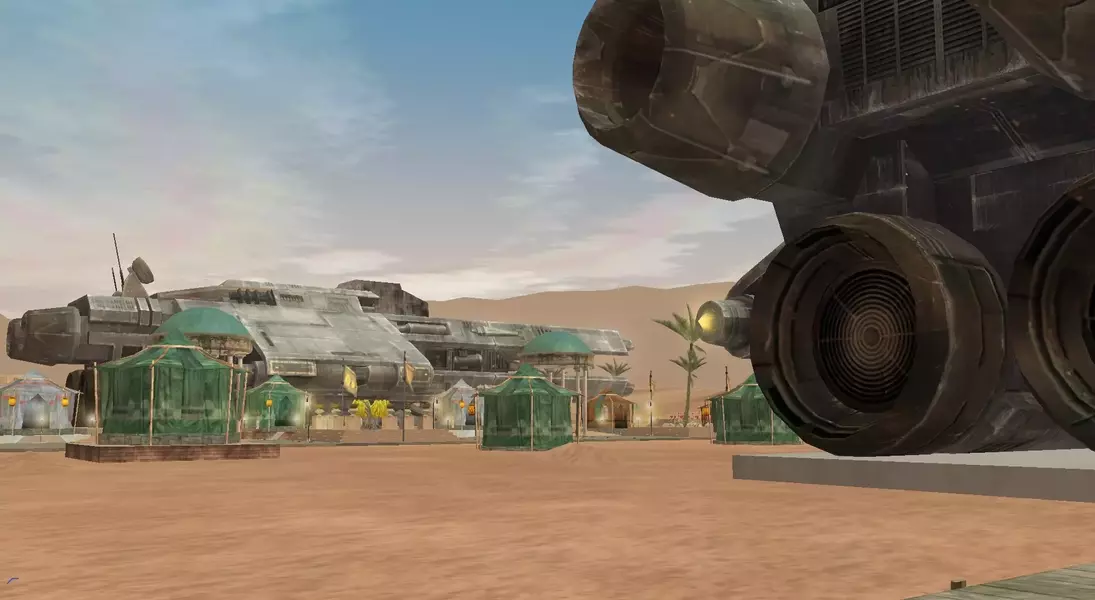
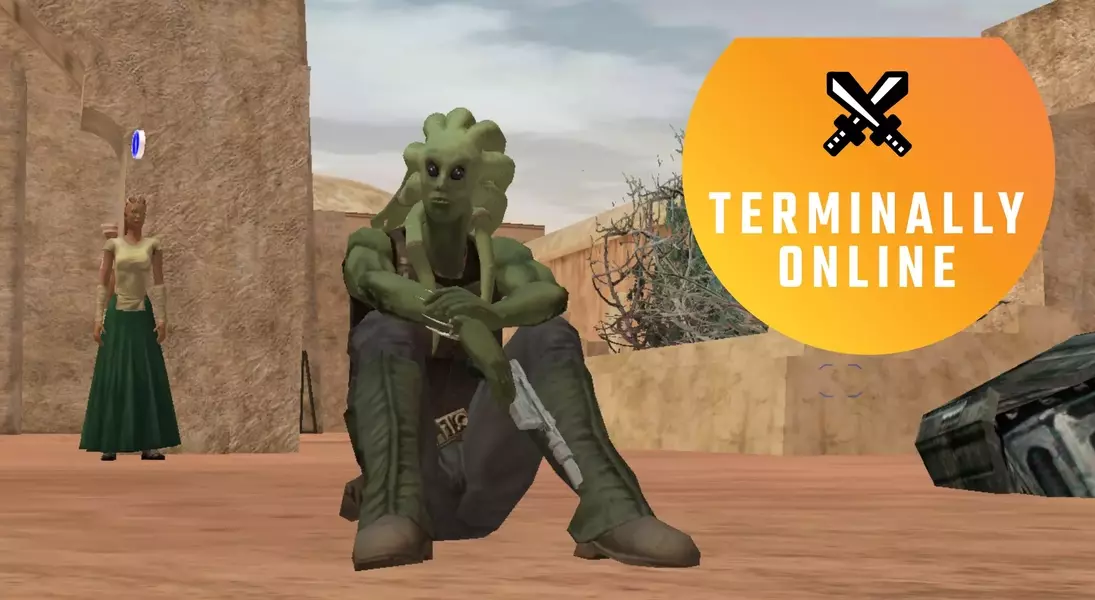
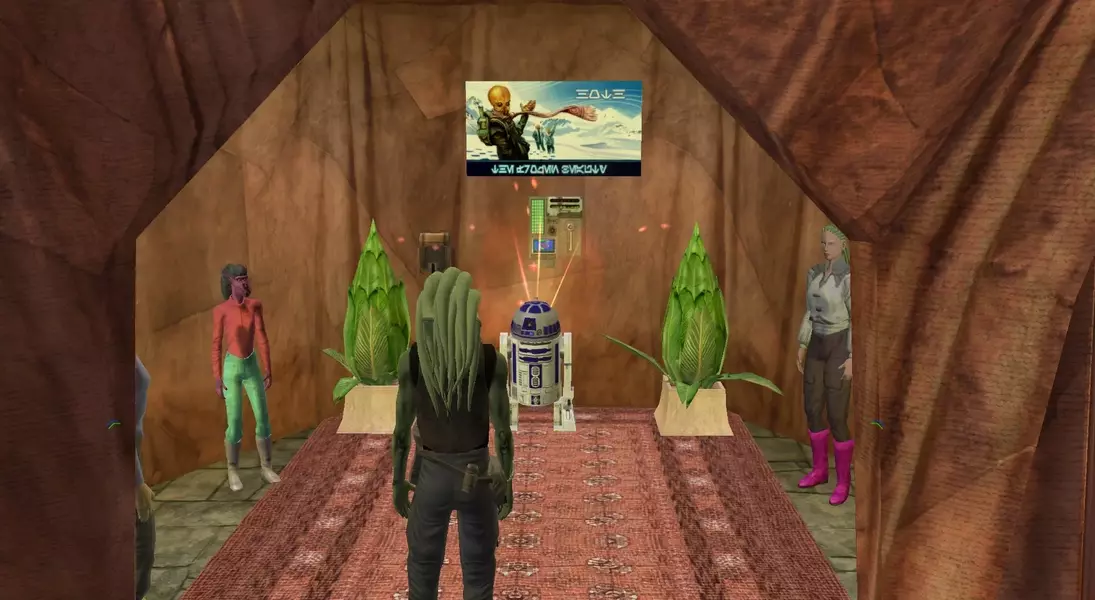
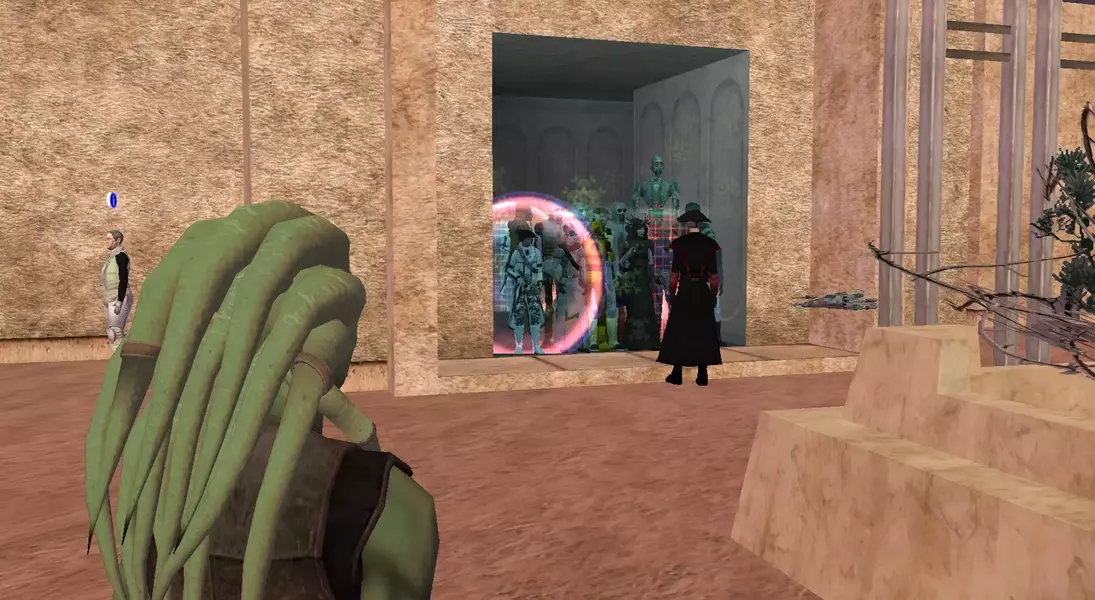
Upon entering a private server for Star Wars Galaxies, a Massively Multiplayer Online game launched in 2003 and later closed in 2011, the author was immediately plunged into a dynamic battlezone on Tatooine. Despite the dated graphics and animations, the experience felt more vibrant than many modern MMOs. However, this initial excitement soon gave way to a more tranquil pace, with the author spending a week engaged in seemingly mundane activities such as mineral surveying and crafting. This slow, unscripted gameplay revealed a unique charm, starkly contrasting with the hyper-efficient, progression-focused design of contemporary MMORPGs like World of Warcraft.
Today's World of Warcraft, for instance, emphasizes rapid seasonal progression and escalating difficulty, often pushing players through content at a relentless pace. Yet, the true magic in such games, as the author observes, often surfaces during unplanned moments: a leisurely stroll through an old zone, an unexpected act of kindness from another player, or a crucial heal from a stranger in a perilous situation. These incidental interactions and shared experiences transcend the game's structured objectives, tapping into the core essence of what makes a persistent online world truly engaging.
The author's journey through Star Wars Galaxies was characterized by its lack of predetermined goals. Hours were spent exploring the Tatooine landscape, learning intricate skill systems, and engaging in crafting—activities that might seem insignificant in a goal-oriented gaming environment. Yet, these aimless wanderings fostered a deeper appreciation for the game's universe, encountering other players pursuing their own enigmatic endeavors and stumbling upon player-built settlements that hinted at a vibrant, shared history. This deliberate lack of urgency, combined with organic player interactions, creates a living, breathing world that modern, streamlined MMOs often struggle to replicate, making Star Wars Galaxies a testament to a bygone era of virtual world design that prioritizes immersion and community over relentless progression.
Ultimately, the article suggests that the most profound gaming experiences often arise not from rigid adherence to quest lines or competitive ladders, but from the freedom to explore, interact, and simply exist within a richly imagined world. The enduring appeal of Star Wars Galaxies, even in its revived form, demonstrates that a sense of wonder and community can flourish when games allow players the space to create their own narratives and find meaning beyond prescribed objectives. This perspective encourages a reevaluation of what truly constitutes a fulfilling online gaming experience, championing the slower, more emergent gameplay that defines a truly living virtual universe.
