

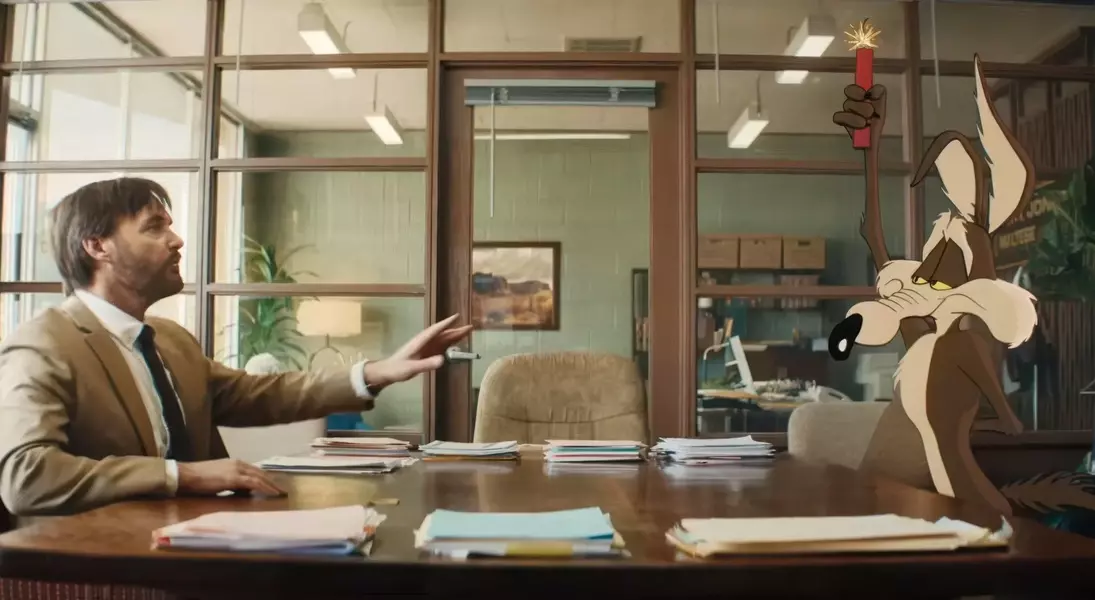

"Coyote vs. ACME" redefines the portrayal of beloved Looney Tunes characters, positioning them not as global icons, but as everyday beings within a human-cartoon shared reality. This narrative choice, spearheaded by director Dave Green and screenwriter Samy Burch, distinguishes the film from its predecessors. The movie centers on Wile E. Coyote's lawsuit against the ACME Corporation, a story that resonates deeply due to the thoughtful integration of classic characters into specific roles, guided by their inherent personalities rather than their celebrity status. The creative team's commitment to respecting the original spirit of these characters, particularly Wile E. Coyote's non-verbal communication, underpins the film's success, making it a fresh and engaging experience.
The Innovative World of 'Coyote vs. ACME': Character Deep Dive
In the recently released film, "Coyote vs. ACME," which has garnered widespread critical acclaim after overcoming initial production hurdles, director Dave Green and screenwriter Samy Burch deliberately chose a novel approach to the cherished Looney Tunes universe. Unlike previous live-action/animated hybrids such as "Space Jam" or "Who Framed Roger Rabbit," this movie abstains from depicting the Looney Tunes characters as renowned celebrities. Instead, it presents them as an intrinsic part of a world cohabitated by both humans and cartoons, where their roles are grounded in everyday life.
This deliberate decision was a cornerstone of the film's creative direction, as articulated by director Dave Green. He emphasized the challenge of crafting a narrative where the cartoon figures are not treated as an ensemble of famous personalities. This perspective allows the film to function more akin to an extended Looney Tunes animated short, rather than a conventional live-action movie featuring cartoon characters.
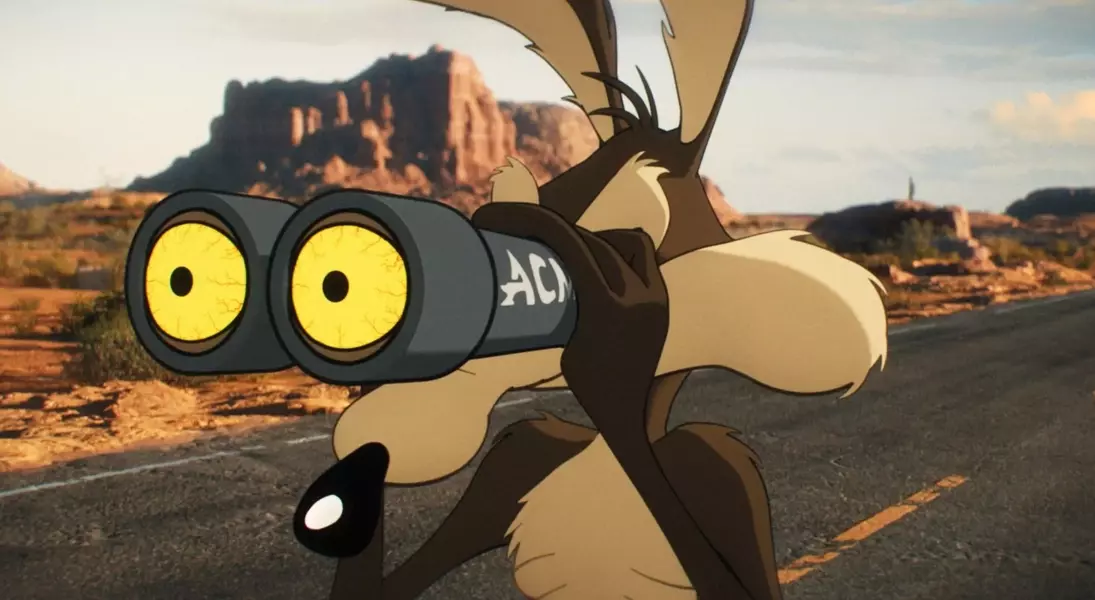
The narrative revolves around the long-suffering Wile E. Coyote, who, exasperated by the recurring failures of ACME products, decides to sue the corporation. He is represented by the unassuming Albuquerque attorney, Kevin Avery, portrayed by Will Forte, and they face off against ACME's formidable lead counsel, Buddy Crane, played by John Cena. While Forte and Cena deliver commendable performances, the true essence of "Coyote vs. ACME" lies in its unique handling of the iconic Looney Tunes characters.
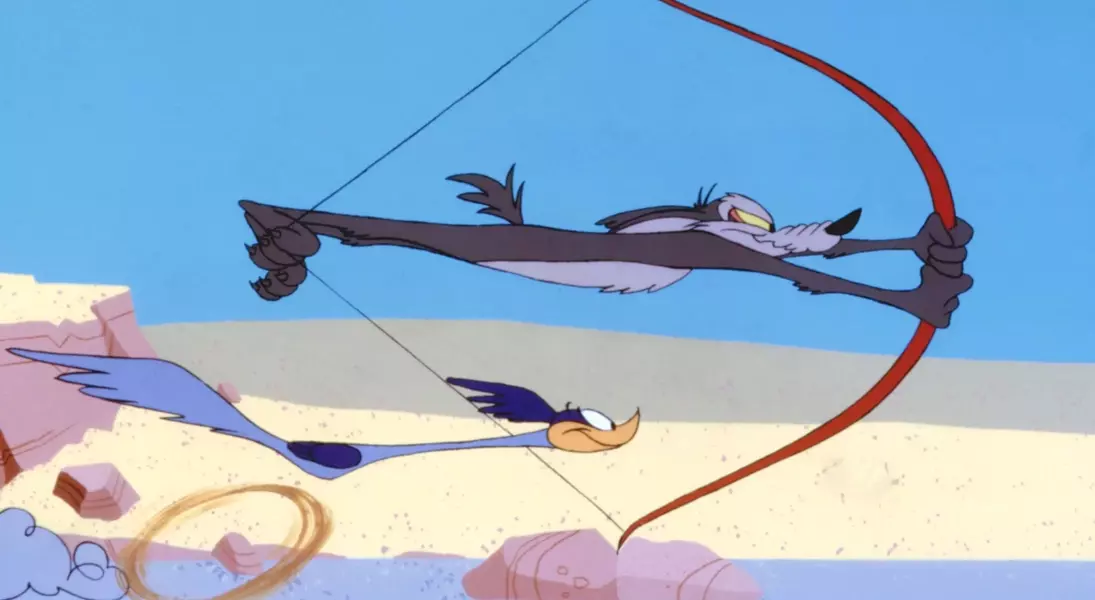
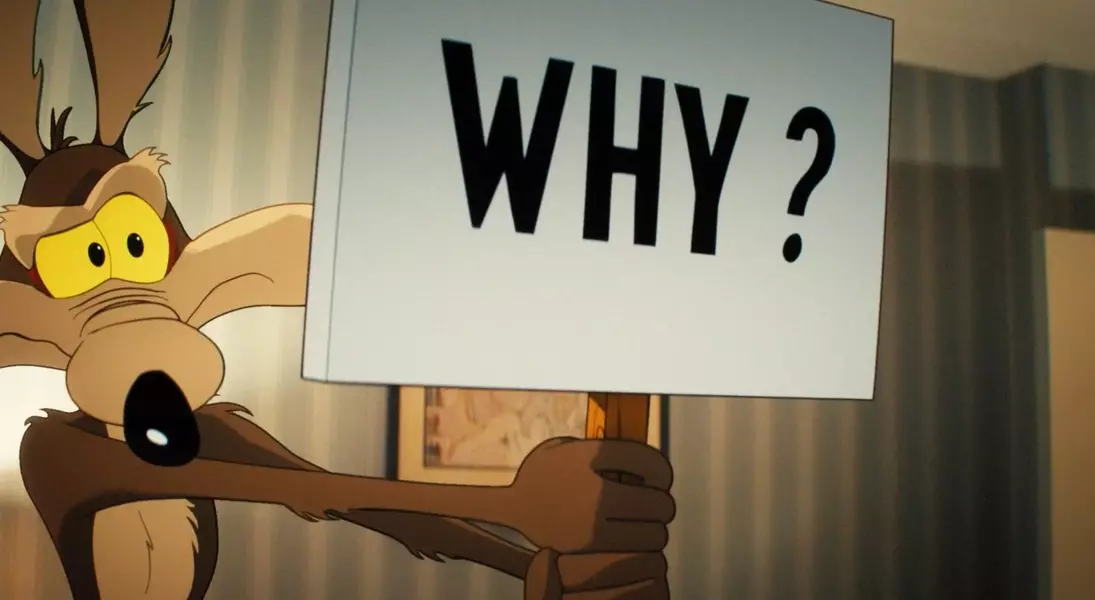
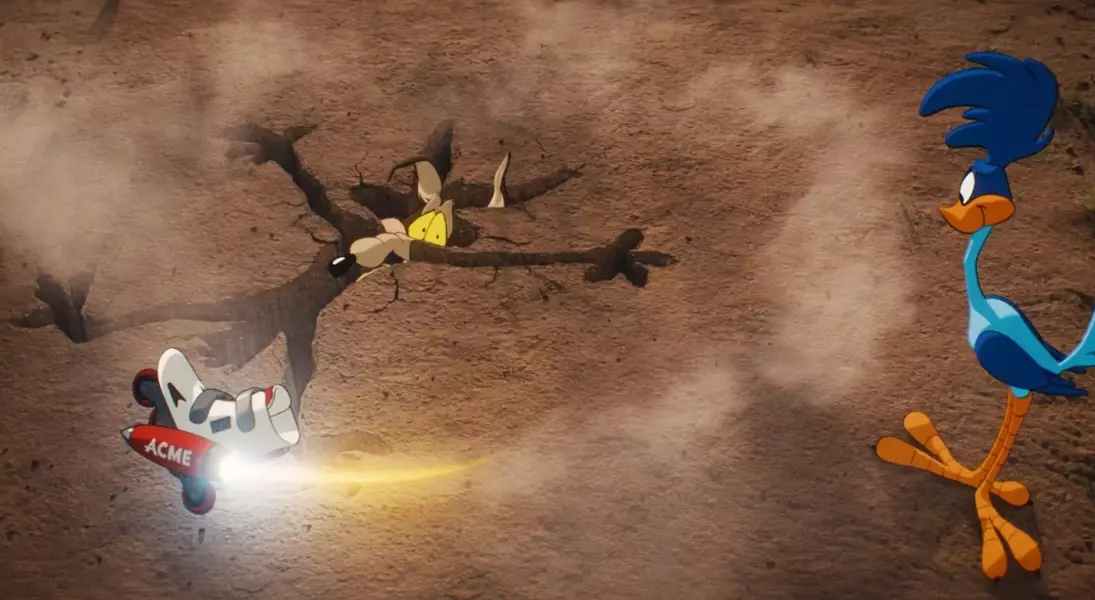
A significant aspect of this approach was the meticulous development of Wile E. Coyote. Green's research involved re-watching all of Chuck Jones' original shorts, cataloging each event to capture the authentic essence of the character. This led to the decision to portray Wile E. as a non-speaking character, relying on visual cues and the nuanced performances reminiscent of silent film legends like Buster Keaton and Charlie Chaplin. This choice presented a creative challenge that the team embraced, aiming to convey the Coyote's cunning yet foolish nature, driven by his singular ambition to catch the Road Runner.
The "casting" of other Looney Tunes characters was equally thoughtful. Screenwriter Samy Burch, whose background is rooted in a casting-centric household, explained their method: envisioning the Looney Tunes as a seasoned theater troupe, where characters like Foghorn Leghorn, Daffy Duck, and Porky Pig were assigned roles that aligned with their established personas. For instance, Foghorn Leghorn, with his inherent arrogance, was perfectly suited to portray the self-important head of the ACME Corporation. The underlying conflict with the Road Runner also influenced casting decisions, placing bird characters like Tweety and Foghorn as antagonists. Even obscure characters, such as Dr. Lorre, found their place in the narrative, while others, like Michigan J. Frog, were considered but ultimately excluded to maintain narrative focus.
Bugs Bunny, despite his prominence, was strategically given a minor yet crucial role as a mysterious informant. This was a conscious decision to prevent him from overshadowing Wile E. Coyote, ensuring the story remained centered on the titular character. Elmer Fudd's late appearance as a senator in a congressional hearing was hailed as a particularly humorous and fitting choice, leveraging his established persona for comedic effect. The voice work by Eric Bauza, who flawlessly voices ten different characters, further solidified the authentic integration of these figures into the film's distinct world, making their reimagined roles believable and engaging.
"Coyote vs. ACME" stands as a testament to innovative storytelling within a beloved franchise, skillfully blending nostalgia with a fresh, contemporary narrative that honors the legacy of its characters while venturing into new creative territory.
The reinterpretation of beloved characters in "Coyote vs. ACME" provides a fascinating case study in creative adaptation. It highlights how embracing character authenticity over celebrity status can unlock new storytelling potential. This film encourages us to consider that even the most iconic figures can thrive in unfamiliar contexts, offering fresh perspectives and deeper engagement when their core essence is respected. It reminds creators that sometimes, less is more, especially when it allows the true heart of a character to shine through in unexpected ways.
