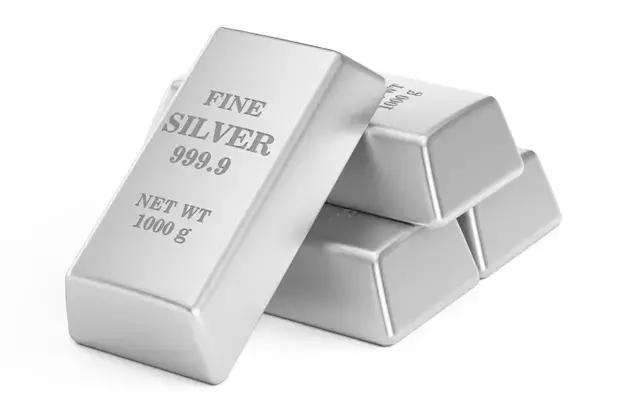
Silver has recently achieved the significant milestone of $100 per ounce, a target previously identified as attainable due to a confluence of market forces. This remarkable surge is primarily fueled by escalating physical demand, persistent supply constraints, and a macroeconomic environment that increasingly favors the safe-haven appeal of precious metals. Despite this rapid appreciation, silver's valuation appears to remain proportionate when juxtaposed with gold and equity markets, suggesting further growth potential, especially if it approaches its inflation-adjusted peak of $146 per ounce from 1980. The industrial sector, particularly emerging technologies like artificial intelligence, electric vehicles, and solar energy, plays a crucial role in this dynamic, consuming a substantial portion—nearly three-quarters—of global silver output, thereby intensifying the imbalance between supply and demand.
A notable factor contributing to silver's ascent is the robust physical demand. This demand is not merely speculative but is deeply rooted in industrial applications. Emerging technologies are significantly boosting the need for silver, establishing a strong fundamental floor for its price. The metal's unique properties make it indispensable in various high-tech sectors, driving consistent consumption. Simultaneously, the global supply of silver faces limitations, exacerbated by declining ore grades and reduced investment in new mining projects. This inherent scarcity, coupled with increasing demand, creates a potent bullish scenario for silver prices.
The broader economic landscape also provides a fertile ground for silver's rally. With growing concerns over inflation, geopolitical uncertainties, and fluctuating currency values, investors are increasingly turning to precious metals as a hedge against economic instability. Silver, often seen as a more volatile but potentially more rewarding alternative to gold, benefits from this flight to safety. Its dual role as both an industrial commodity and a monetary asset makes it particularly attractive in the current economic climate, offering diversification and a hedge against systemic risks. The sustained interest from institutional and retail investors further underpins its upward trajectory.
While the outlook for silver remains largely positive, potential headwinds warrant consideration. A more aggressive stance from the Federal Reserve, characterized by tighter monetary policies, could strengthen the U.S. dollar, thereby making dollar-denominated commodities like silver more expensive for international buyers. Historically, such interventions have impacted precious metal prices. However, the prevailing macroeconomic indicators, which point to continued inflationary pressures and persistent demand from technological innovation, currently outweigh these potential dampeners. The fundamental drivers of industrial consumption and investment demand are expected to sustain silver's momentum, even in the face of possible market fluctuations.
The current market dynamics for silver present a compelling narrative of strong demand meeting limited supply within a supportive macroeconomic backdrop. The achievement of the $100 per ounce mark underscores the strength of these underlying forces, and with industrial applications continuing to expand and inflationary concerns persisting, the potential for further appreciation, possibly towards historical inflation-adjusted highs, remains a significant prospect. Investors are closely monitoring these interwoven factors as silver continues to carve out its prominent role in both the industrial and financial spheres.
