



For many contemplating retirement, Canada emerges as a surprisingly attractive option. Beyond its stunning natural landscapes and reputation for safety, the nation boasts a robust healthcare system and a cost of living that, outside its major metropolitan hubs, often undercuts that of the United States. This report delves into five Canadian provinces that offer an appealing blend of affordability and a high quality of life for those seeking to spend their golden years north of the border. While the prospect of cold winters and the intricacies of immigration are factors to consider, the overall appeal for a serene and financially sensible retirement remains strong.
Discovering Canada's Retirement Havens: Provinces Offering Quality Living at Affordable Prices
For American retirees yearning for a blend of natural splendor, robust healthcare, and a more manageable cost of living, Canada presents an increasingly attractive option. Our exploration focuses on five provinces that stand out for their affordability and desirability, offering a unique mosaic of experiences for those ready to embrace a new chapter.
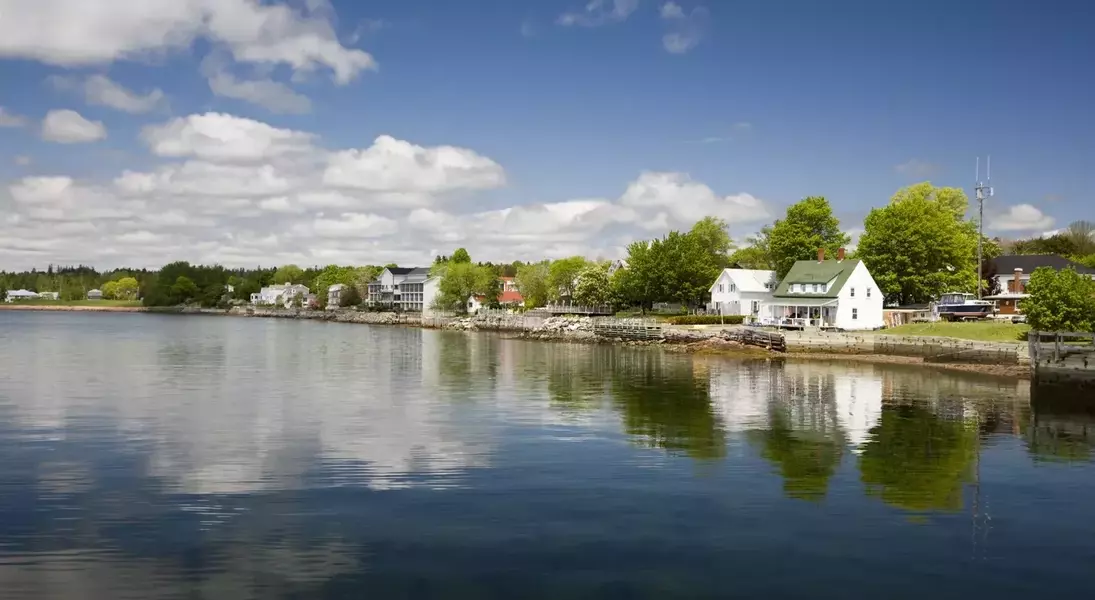
First, we turn our gaze to New Brunswick, a maritime gem cradled by the Atlantic, directly north of Maine. This province promises not only breathtaking scenery but also pedestrian-friendly cities, exceptional healthcare services, and a vibrant cultural scene rich with museums and festivals. For a single individual, the monthly cost of living, including housing, hovers around $1,629 USD, significantly lower than both the Canadian and U.S. averages. Rent averages $921 USD, and a home can be secured for approximately $238,629 USD. While the winters can be brisk and marginal tax rates might be higher than in the U.S., the charm of towns like Saint John, Fredericton, and Moncton remains undeniable.
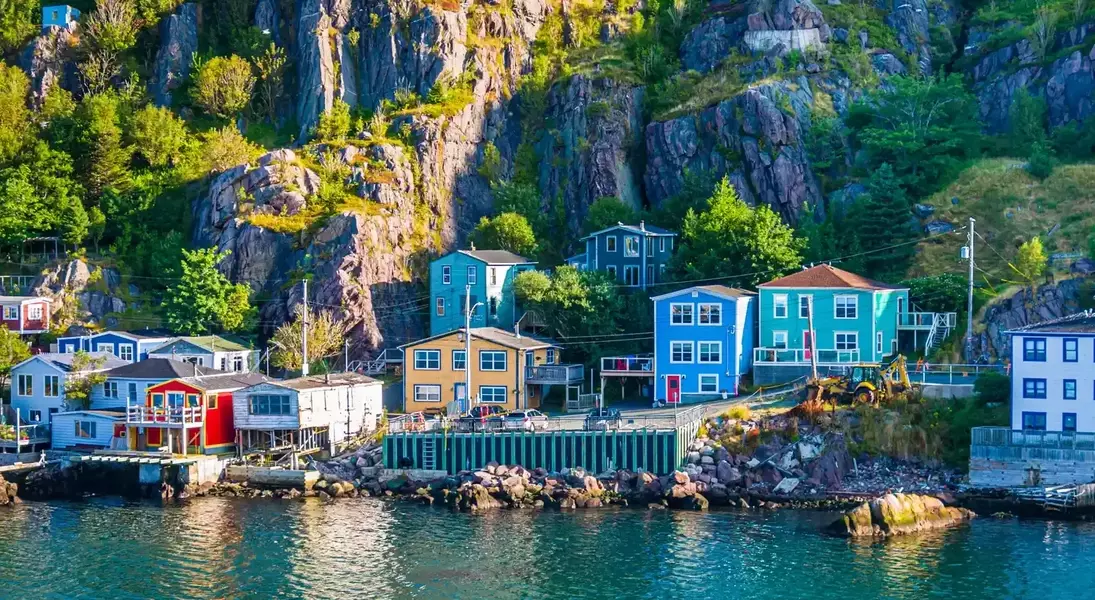
Venturing further north along the eastern seaboard, we encounter Newfoundland & Labrador, one of Canada's least populated and most economical regions. Known for its dramatic coastal vistas and a cultural tapestry woven from Scottish and Irish heritage, life here unfolds at a leisurely pace amidst welcoming communities. The province experiences bearable summers but is characterized by severe winters, with snowfalls capable of engulfing vehicles. However, the prevalence of fireplaces in homes offers a cozy antidote, and summer provides easy, short flights to Europe. The average monthly living cost here is about $1,738 USD, with rent around $893 USD and average home prices at $247,494 USD. St. John's, Corner Brook, and Stephenville are among its most appealing locales.
For those who prefer an inland setting, Saskatchewan, named after its eponymous river, offers extensive sunshine and a landscape dotted with lakes, forests, and national parks. Its pleasant mid-sized cities provide excellent healthcare and cultural activities. The cost of living is approximately $1,718 USD per month, with rent at $930 USD and average home prices around $270,456 USD. Saskatoon, Regina, and Prince Albert are key urban centers, though rural areas become increasingly sparse and cold as one moves northward.
Wedged between Ontario and Saskatchewan, Manitoba offers a diverse environment ranging from coastal areas and numerous lakes to vibrant urban centers like Winnipeg, known for its thriving arts scene, festivals, and diverse culinary offerings. The province benefits from remarkably low hydroelectricity costs, courtesy of Manitoba Hydro. Monthly living expenses average $1,785 USD, with rent at $990 USD and home prices around $287,687 USD. However, residents must contend with harsh winters and higher-than-average property taxes, especially in Winnipeg. Brandon and Steinbach also offer appealing communities.
Finally, the smallest of Canada's provinces, Prince Edward Island (PEI), enchants with its red sand beaches, iconic lighthouses, fertile farmlands, and a strong sense of community. This picturesque island provides a relaxed, affordable lifestyle complemented by a lively arts and music scene. PEI enjoys temperate winters and agreeable summers, though groceries and gas can be pricier due to its island geography. Tax rates are also slightly elevated. The cost of living is about $1,604 USD per month, with rent at $900 USD and average home prices at $274,234 USD. Summerside, Souris, and Kensington are notable towns.
It is crucial to note that Canada does not offer a specific retirement visa. Aspiring American retirees must navigate existing immigration channels, such as family sponsorship or investment programs. Furthermore, while a tax treaty prevents double taxation, U.S. citizens remain responsible for filing U.S. taxes. Medicare does not cover routine care in Canada, necessitating private insurance initially, until permanent residency is established and eligibility for Canada's tax-funded healthcare system is met, subject to a waiting period.
This detailed overview underscores Canada's potential as a tranquil and economically viable retirement destination, albeit with specific considerations regarding climate and immigration policies.
