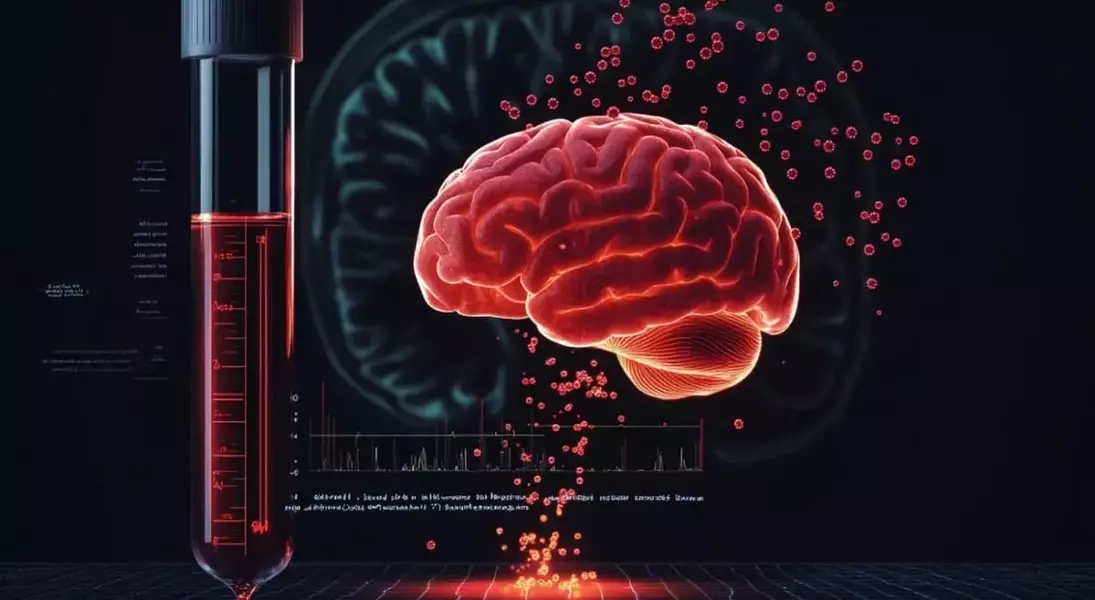
A groundbreaking blood test has been developed by researchers to monitor the progression of high-grade gliomas, a particularly aggressive form of brain cancer. This innovative method utilizes unique DNA junctions from each patient's tumor to detect tumor DNA in the bloodstream, potentially offering earlier insights into disease advancement than traditional MRI scans. The test has demonstrated a detection rate of 93% in cases where these specific DNA junctions were present, indicating its potential as a clinical tool for personalized treatment and real-time monitoring.
Scientists at Mayo Clinic have pioneered a novel approach to monitoring the progression of high-grade gliomas through a personalized blood test. Unlike conventional methods that rely heavily on imaging scans and surgical biopsies, this new technique leverages whole genome sequencing to map the genetic blueprint of each patient’s tumor. By focusing on amplified DNA junctions—unique fragments resulting from the rearrangement of the tumor's genetic material—the test can identify even small signs of tumor progression with remarkable sensitivity.
Dr. George Vasmatzis, co-director of the Biomarker Discovery Program at Mayo Clinic, explained that these DNA junctions are more abundant and easier to detect compared to other types of DNA fragments. As gliomas grow, they release these DNA markers into the bloodstream, which can be detected even before visible changes appear on MRI scans. This breakthrough could significantly enhance the ability of clinicians to tailor treatments based on precise molecular data.
In collaboration with neurosurgeon Dr. Terry Burns, the research team conducted a feasibility study involving patients with high-grade gliomas. They identified patient-specific DNA junctions using advanced sequencing technologies and developed individualized tests to search for these markers in plasma samples. The results showed that the test successfully detected tumor DNA in approximately 93% of cases where these DNA junctions were present.
This innovative approach not only overcomes some limitations posed by the blood-brain barrier but also shifts the paradigm from reactive to proactive patient care. By tracking each tumor’s distinct molecular signature, clinicians may now make more informed decisions about treatment strategies earlier in the process. Future studies will aim to validate these findings across larger patient populations and explore the correlation between blood-based tumor tracking and glioma progression.
The development of this personalized blood test represents a significant advancement in the field of oncology. It offers hope for improved outcomes in managing high-grade gliomas by enabling earlier detection and more targeted interventions. With further research, this technology could become an essential tool in the arsenal against one of the most challenging forms of brain cancer, providing both patients and healthcare providers with greater confidence in treatment planning and execution.
