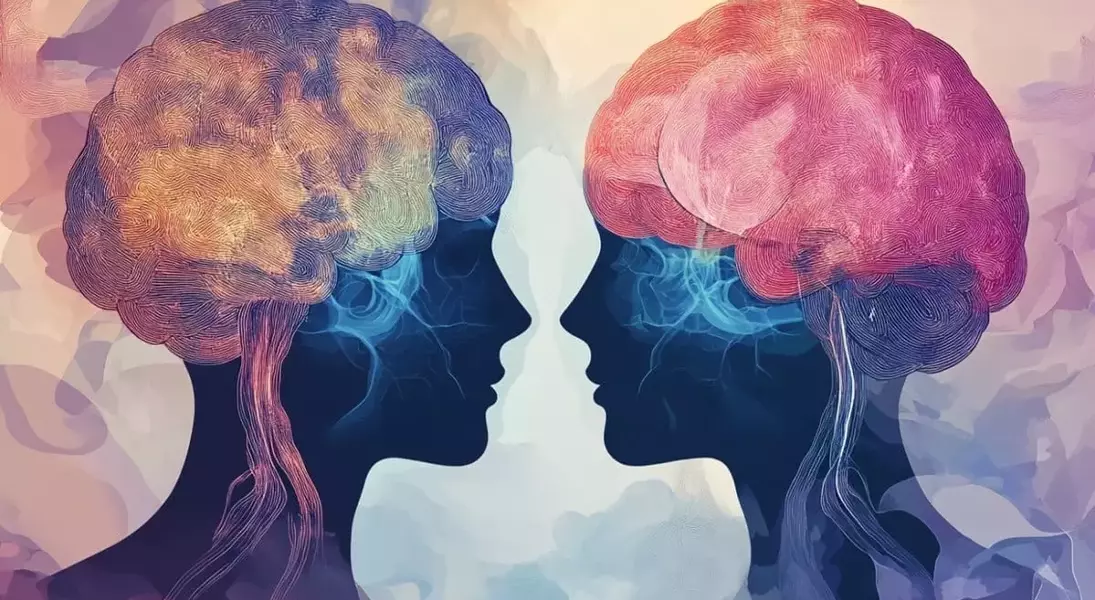
A groundbreaking study conducted by esteemed researchers from the Chinese Academy of Sciences and Washington University School of Medicine has revealed a fascinating aspect of rodent behavior. Mice, contrary to previous assumptions, exhibit innate rescue-like actions toward unconscious peers, driven by the powerful neurotransmitter oxytocin. This discovery reshapes our understanding of empathy in mammals and opens new avenues for exploring the neurobiological underpinnings of prosociality.
Discover How Oxytocin Shapes the Altruistic Actions of Mice
The Instinctive Drive to Help
In an unprecedented revelation, mice have demonstrated remarkable prosocial tendencies without any prior conditioning or external incentives. When placed beside anesthetized companions, these rodents instinctively engage in licking and grooming behaviors. Such actions not only accelerate the recovery of their incapacitated peers but also alleviate the stress experienced by the helper mouse itself. For instance, during the experiments, observer mice displayed heightened levels of corticosterone, indicating acute stress, which was subsequently mitigated through their helping actions. This mutual benefit suggests that such behaviors are not merely altruistic but serve a dual purpose of aiding both parties involved.The implications of this finding extend beyond mere curiosity about rodent behavior. It challenges long-held beliefs that altruism is exclusive to cognitively superior species. Instead, it points to a deeply ingrained biological mechanism present even in small mammals like mice. By demonstrating that these creatures can act in ways previously attributed only to humans and primates, the study broadens our perspective on the evolutionary roots of empathy and cooperation.Oxytocin's Dual Role in Emotional and Motor Coordination
At the heart of this phenomenon lies oxytocin, often hailed as the "bonding hormone." Researchers identified two distinct pathways through which this neurotransmitter operates within the brain. The first pathway involves the central amygdala, where oxytocin deciphers the emotional distress signals emanating from an unconscious peer. This decoding process triggers an immediate response in the observer mouse, prompting it to initiate rescue-like actions. Simultaneously, another pathway engages the dorsal bed nucleus of the stria terminalis, responsible for executing the physical manifestations of help, such as licking and grooming. These motor responses ensure that the assistance provided is both effective and sustained over time. The interplay between these two pathways highlights the intricate balance required for successful rescue operations. Without the emotional component guiding the motor actions, the overall effectiveness of the behavior would be compromised.Furthermore, the temporal dynamics of these pathways add another layer of complexity to the process. While the amygdala-based pathway activates rapidly with intense bursts of activity, serving as a trigger for initial engagement, the stria terminalis pathway sustains prolonged activity, guaranteeing the continuation of the helping behavior until the unconscious peer recovers. This division of labor within the brain ensures that the rescue effort remains efficient and timely, maximizing its chances of success.Evolutionary Implications and Future Research Directions
This study carries profound implications for our understanding of the evolutionary significance of altruism. For decades, scientists have debated the origins of empathetic behavior, questioning whether it arose independently in different species or stems from a common ancestral trait. The findings presented here strongly support the latter hypothesis, suggesting that the capacity for prosociality may be conserved across various mammalian lineages.Moreover, the identification of specific neural circuits and molecular mechanisms involved in these behaviors paves the way for future investigations into the broader neurobiology of social interactions. Understanding how oxytocin coordinates emotional and motor responses could provide valuable insights into human conditions characterized by deficits in social bonding, such as autism spectrum disorder. Additionally, it offers potential therapeutic targets for enhancing interpersonal relationships and fostering greater societal harmony.By unraveling the complexities of rodent rescue behavior, this research not only deepens our appreciation for the compassionate nature of these creatures but also underscores the universal principles governing social connection. As we continue to explore these fascinating topics, we inch closer to deciphering the mysteries of empathy and its role in shaping the fabric of life on Earth.You May Like