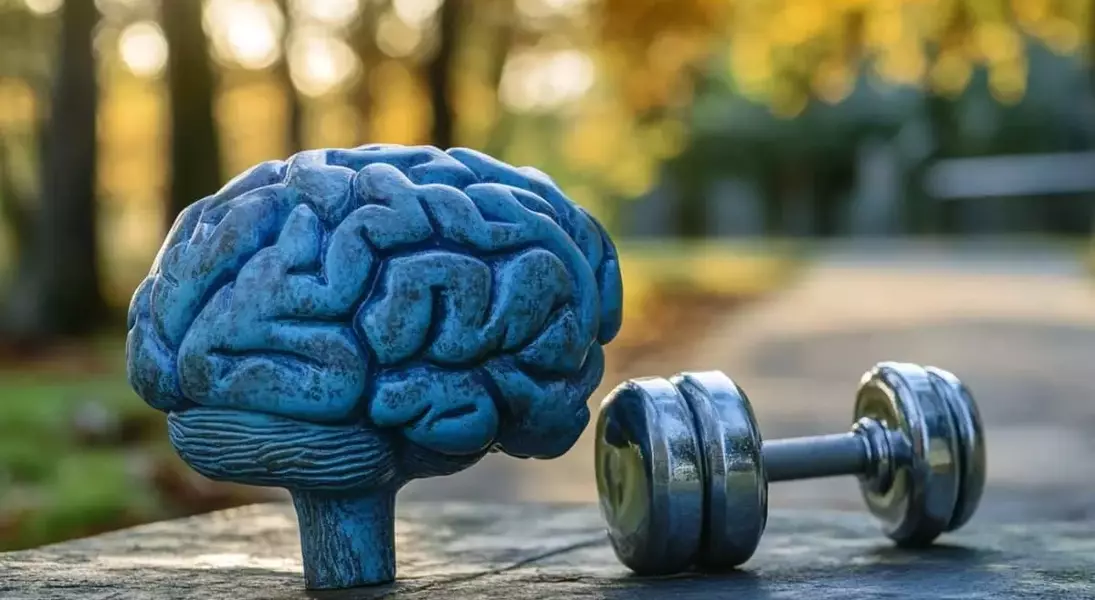
New research reveals that physical activity can bolster brain function even when ketone production is compromised. Typically, the liver generates ketones to support cognitive processes during periods of low glucose availability. However, findings indicate that exercise activates alternative mechanisms in the brain beyond energy provision, offering hope for those with metabolic or liver-related challenges. This discovery underscores the potential of regular physical activity as a tool to combat cognitive decline and memory issues associated with aging and Alzheimer's disease.
With an increasing number of individuals at risk of dementia due to impaired liver function, these results highlight the significance of incorporating exercise into daily routines. The study suggests that endurance training may counteract cognitive impairments caused by reduced ketone levels, demonstrating the multifaceted benefits of physical activity on both body and mind. As researchers continue to explore the intricate relationship between liver and brain health, the role of exercise becomes increasingly pivotal in maintaining mental acuity.
Unveiling the Role of Exercise in Cognitive Support
Recent studies conducted at the University of Missouri have unveiled how exercise can mitigate cognitive decline despite limited ketone production. Traditionally, ketones serve as an essential energy source for the brain during glucose shortages. When ketone generation falters due to liver dysfunction, cognitive abilities like memory and learning often deteriorate. Yet, physical activity appears to bypass this limitation, providing alternative pathways to sustain brain health.
In-depth analysis revealed that rats subjected to hepatic HMGCS2 knockdown experienced diminished ketone levels after acute and chronic exercise sessions. Despite this reduction, endurance training significantly preserved spatial memory and synaptic plasticity markers. This outcome indicates that exercise stimulates mechanisms within the brain that compensate for the absence of adequate ketones. Moreover, proteomic evaluations showed that mitochondrial function in the frontal cortex remained robust following chronic exercise, further emphasizing the protective effects of physical activity against neuropathological conditions linked to insufficient hepatic ketogenesis.
Implications for Liver-Brain Health and Future Research
The implications of these findings extend beyond understanding the interplay between liver and brain health. Individuals suffering from severe liver disorders now possess a promising avenue to preserve their cognitive capabilities through consistent exercise regimens. Researchers speculate that disrupted ketone production in the liver might contribute to heightened dementia risks among such populations. Consequently, promoting awareness regarding the importance of ketone synthesis and its influence on mental sharpness could lead to innovative preventive strategies.
This groundbreaking research not only illuminates the complex molecular interactions involved in neuroprotection but also inspires optimism about combating age-related cognitive deterioration. By leveraging state-of-the-art resources and fostering interdisciplinary collaborations, scientists aim to delve deeper into the mysteries surrounding brain health preservation. Future investigations may uncover additional facets of how peripheral tissue metabolism impacts neural functioning, potentially revolutionizing approaches to safeguarding mental vitality. Ultimately, embracing regular physical activity emerges as a cornerstone strategy in nurturing lifelong cognitive resilience amidst metabolic challenges.
