




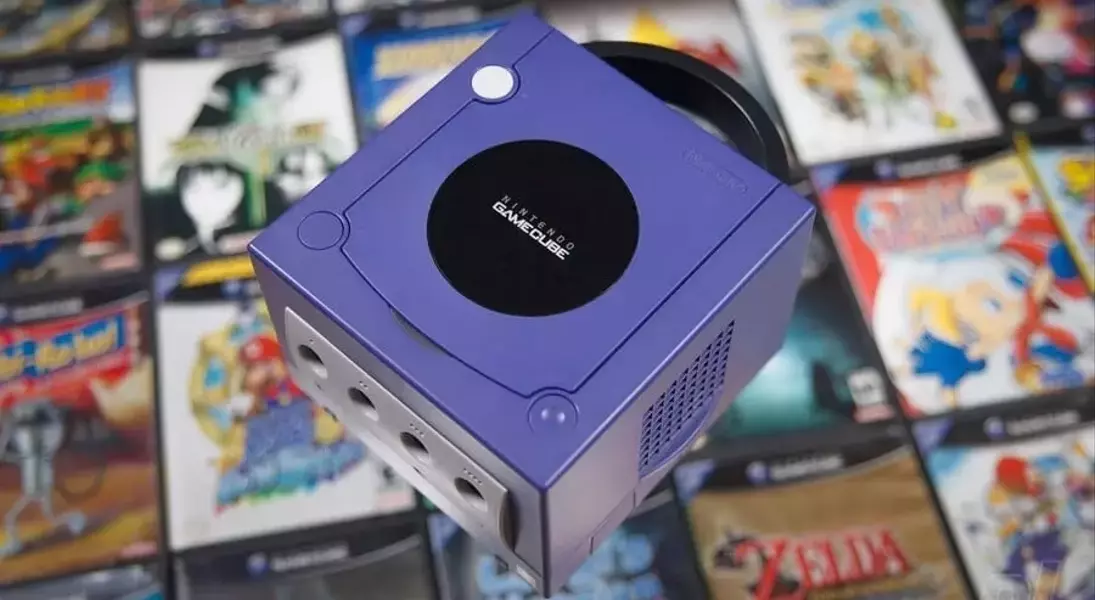

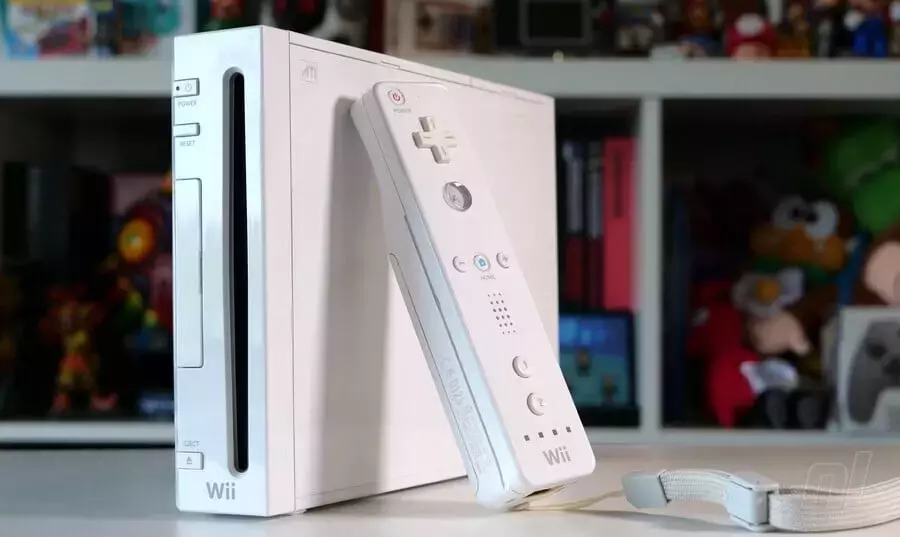
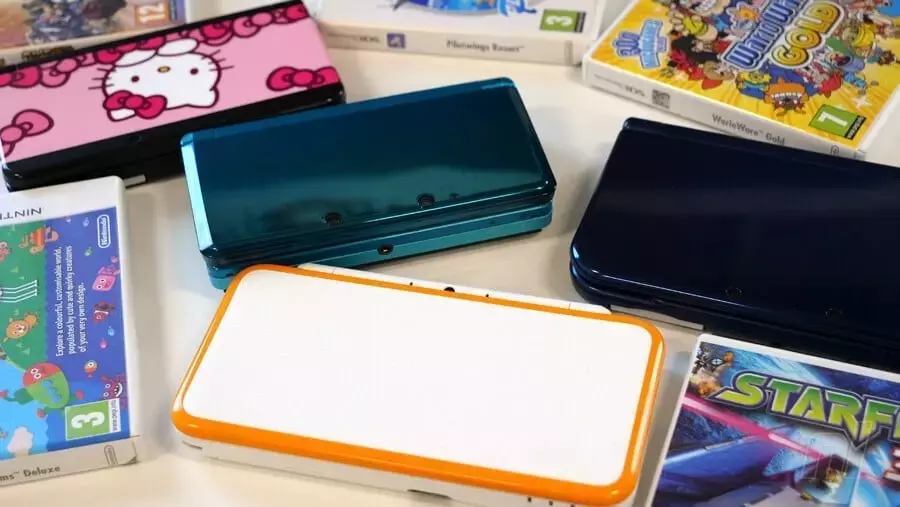

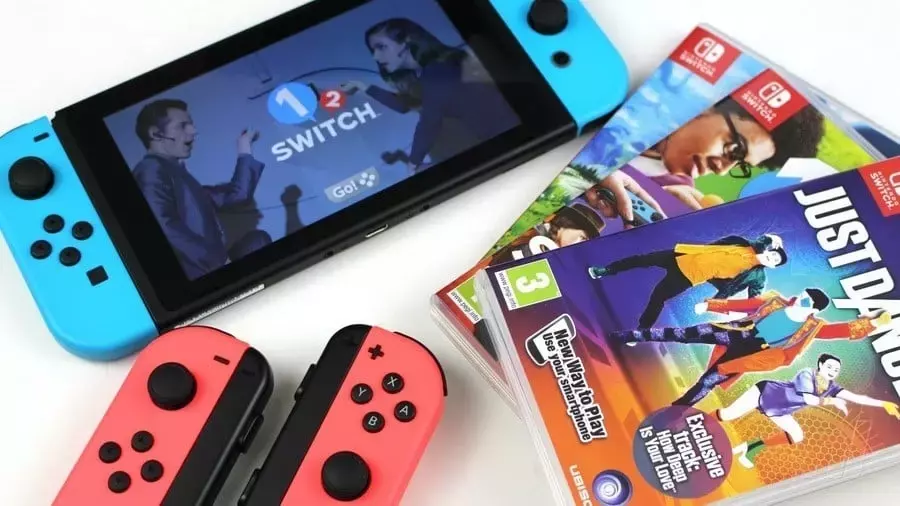
Nintendo has consistently shaped the video game industry with its innovative consoles and captivating game titles. With the highly anticipated arrival of the Switch 2, enthusiasts and critics alike are scrutinizing its initial game offerings, wondering how they measure up against the rich history of Nintendo's console launches. This examination takes us on a journey through time, revisiting the day-one game selections of every major Nintendo system, from the iconic NES to the latest Switch 2, to determine which era truly delivered the most impactful and diverse gaming experience right out of the gate. The landscape of launch titles has transformed dramatically over the decades, reflecting technological advancements and shifting player expectations. While some consoles debuted with a handful of groundbreaking exclusives, others relied on a broader assortment of titles, including ports and re-releases. Understanding these historical trends provides valuable context for assessing the Switch 2's potential to establish itself as a new benchmark for launch excellence.
The current discussion around the Nintendo Switch 2's release slate is particularly vibrant. Boasting a substantial collection of titles, including modern blockbusters and beloved re-releases, it aims to cater to a wide audience. However, the ultimate measure of a launch lineup isn't merely quantity but also the quality and long-term appeal of its games. This deep dive into Nintendo's past and present offerings encourages a comprehensive look at what makes a console's debut truly memorable, inviting players to reflect on their own experiences and consider which generation offered the most compelling reason to jump in on day one.
The Evolution of Nintendo's Launch Game Strategies
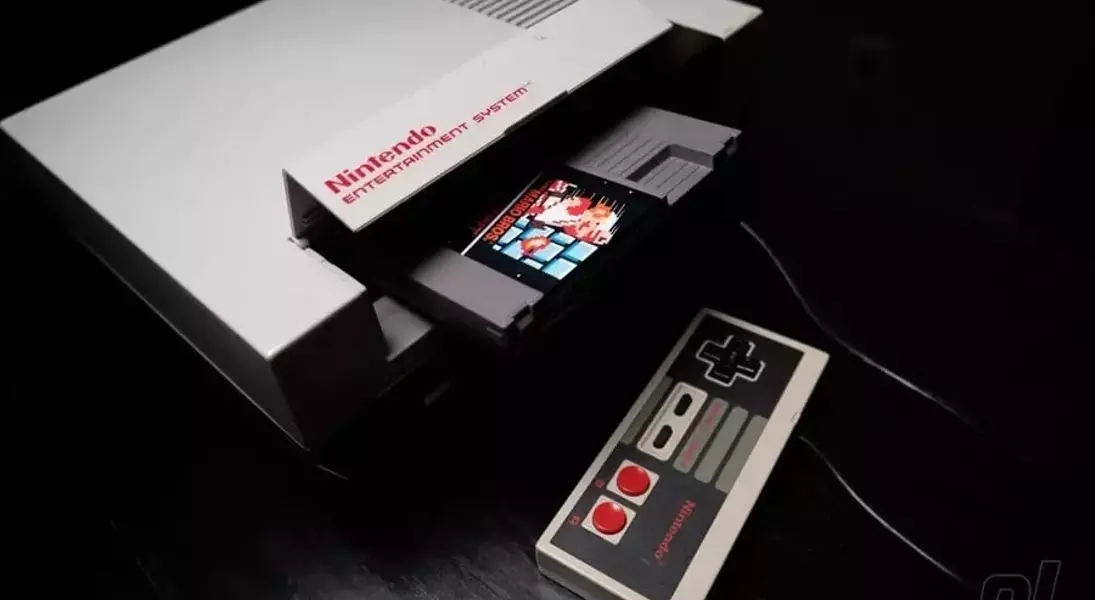
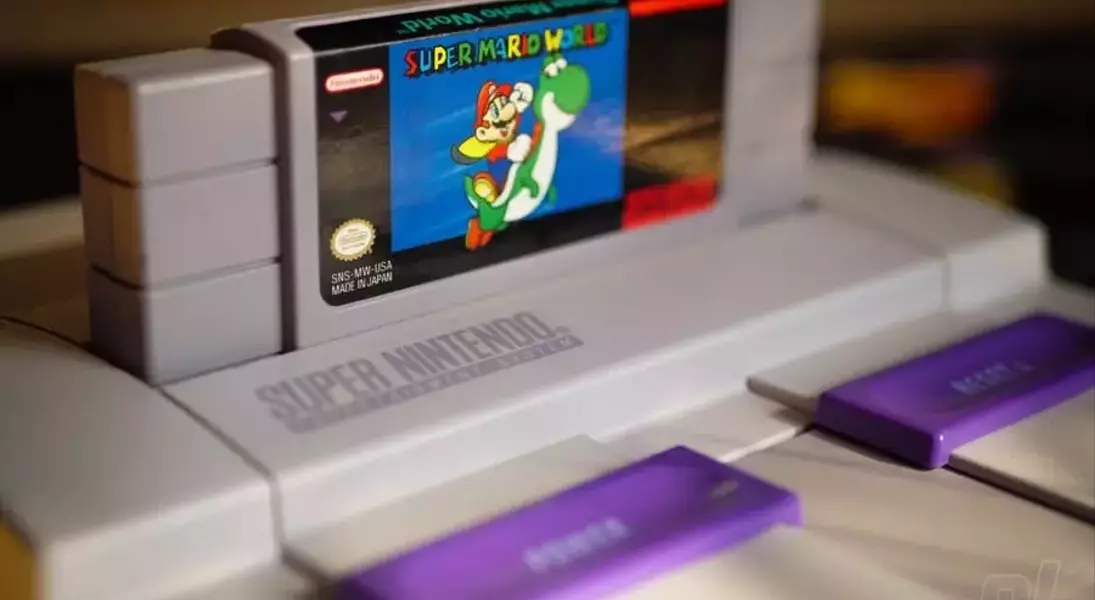
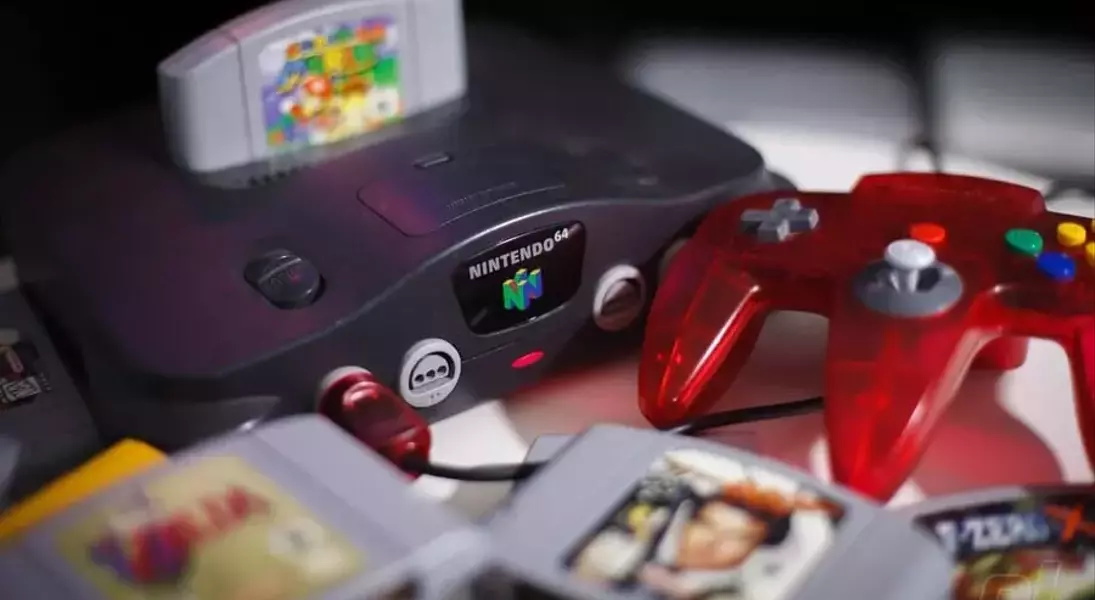
Nintendo's console launches have always been pivotal moments in gaming history, each characterized by a distinct approach to its initial game library. From the foundational titles of the NES, which laid the groundwork for many beloved franchises, to the diverse, and often experimental, offerings of later systems, the company's strategy has continuously adapted. The NES, for instance, introduced revolutionary titles like 'Super Mario Bros.' and 'Duck Hunt,' establishing a strong identity with entirely new gaming experiences. As technology advanced, consoles like the SNES and N64 followed suit, albeit with fewer titles, emphasizing quality over quantity with groundbreaking games such as 'Super Mario World' and 'Super Mario 64' that pushed the boundaries of what was graphically and interactively possible. The Game Boy and Game Boy Advance showcased the power of portable gaming with engaging, on-the-go experiences that captured vast audiences. The Wii then ushered in an era of motion control with 'Wii Sports,' broadening gaming's appeal to a mainstream audience, despite a launch lineup often padded with licensed titles.
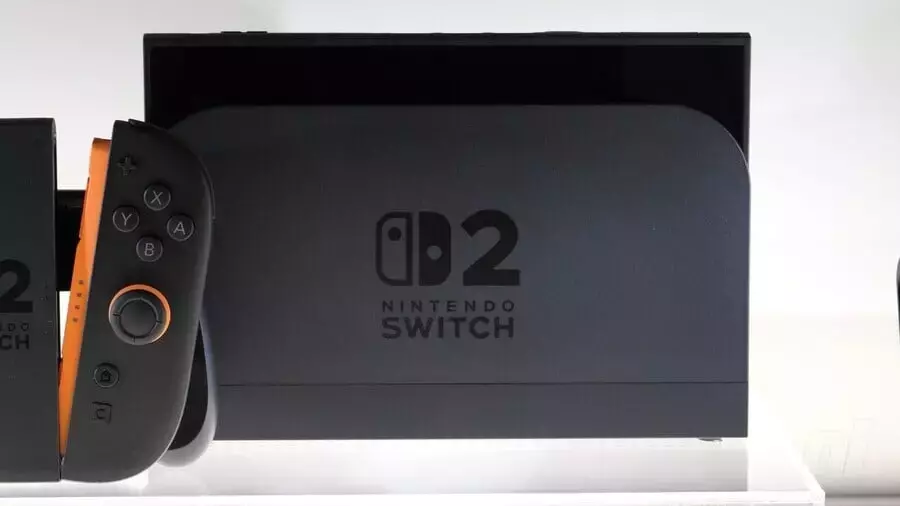
The upcoming Switch 2 continues this tradition of innovation, presenting a hybrid model that balances new titles with enhanced versions of previous-generation games. This blend of fresh content, including eagerly anticipated new installments in popular series like 'Mario Kart World,' alongside visually and functionally upgraded existing titles, aims to offer something for every type of player. The strategy appears to be a response to modern gaming trends, where cross-platform releases and graphically intensive games are commonplace. By including both exclusive new experiences and technically superior versions of popular games like 'Cyberpunk 2077' and 'The Legend of Zelda: Breath of the Wild,' Nintendo is positioning the Switch 2 as a versatile platform that respects its legacy while embracing the future. This approach contrasts sharply with some earlier launches that struggled with limited or less compelling game selections, suggesting a maturation in Nintendo's understanding of diverse player demands at a console's outset.
Comparing Launch Impact: From NES Classics to Switch 2's Broad Appeal
Throughout its storied history, Nintendo has launched numerous consoles, each with its own set of initial game offerings, ranging from groundbreaking exclusives to a mix of ports and innovative new IPs. The original NES, with its relatively modest but critically acclaimed lineup featuring titles like 'Super Mario Bros.' and 'Duck Hunt,' set a high standard for delivering engaging and influential experiences from day one. This initial success was largely due to the novelty and appeal of these games, many of which became genre-defining. As the company progressed, platforms like the SNES and N64 also launched with fewer, yet highly impactful, titles such as 'Super Mario World' and 'Super Mario 64,' which were celebrated for their revolutionary gameplay and graphical advancements, despite a smaller overall game count. These consoles proved that quality and innovation could often outweigh sheer volume in determining a launch's success, leaving a lasting impression on players and the industry.
In contrast, the Nintendo Switch 2 is entering the market with a robust collection that includes a blend of brand-new games, such as 'Mario Kart World,' and a significant number of enhanced ports of popular titles like 'Cyberpunk 2077: Ultimate Edition' and 'The Legend of Zelda: Breath of the Wild - Nintendo Switch 2 Edition.' This diverse strategy aims to cater to both long-time fans seeking fresh adventures and new players looking to experience critically acclaimed games with improved visuals and performance. While some past launches, like the Wii U, offered a large number of games that failed to capture widespread enthusiasm, the Switch 2's lineup appears to prioritize both quantity and recognized quality. The inclusion of titles spanning various genres, from action-adventure to racing and RPGs, ensures a wide appeal, making it a strong contender for Nintendo's most comprehensive and promising console launch to date, capable of satisfying a broad spectrum of gaming tastes right from its debut.
