This year proved to be a banner period for enthusiasts of survival and crafting games, presenting a multitude of new and engaging experiences. For me, someone deeply embedded in this gaming niche, it meant continuously exploring fresh virtual worlds, even while previous ones remained incomplete. The sheer volume of innovative titles and updates made it challenging to keep up, but each new environment, from desert storm-ravaged lands to insect-infested locales and sterile research facilities, offered a distinct allure.
My passion for these games stems from the intrinsic joy of accumulation and transformation. There's a profound satisfaction in collecting disparate items and converting them into something meaningful and functional. This foundational loop, often complemented by engaging, repetitive tasks, forms the core of my enjoyment. Consequently, I find myself with an ever-expanding collection of survival-crafting worlds that I anticipate revisiting and delving deeper into for years to come.
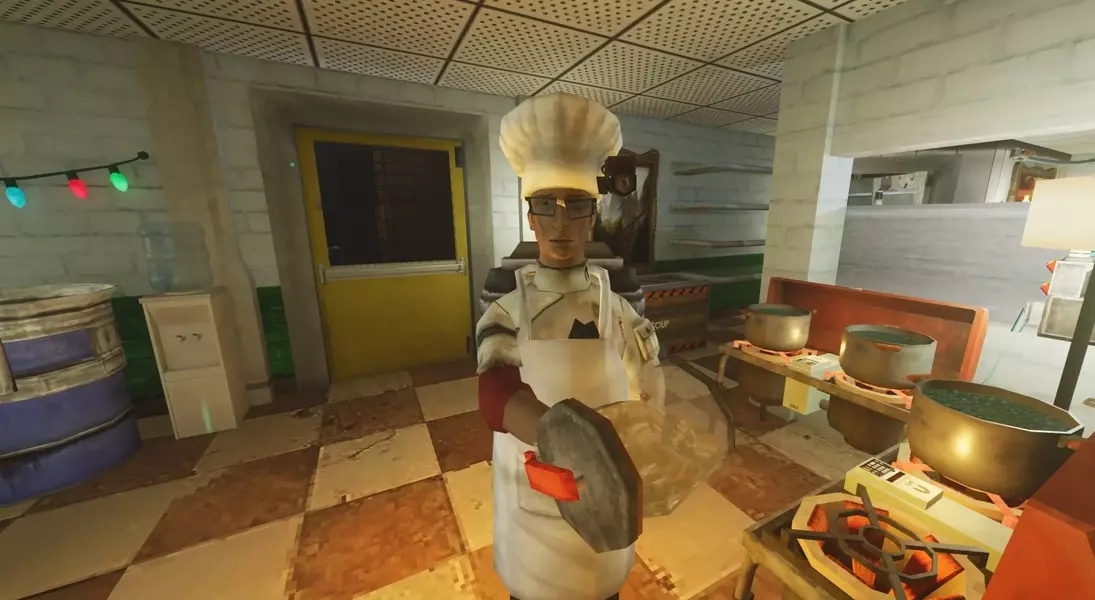
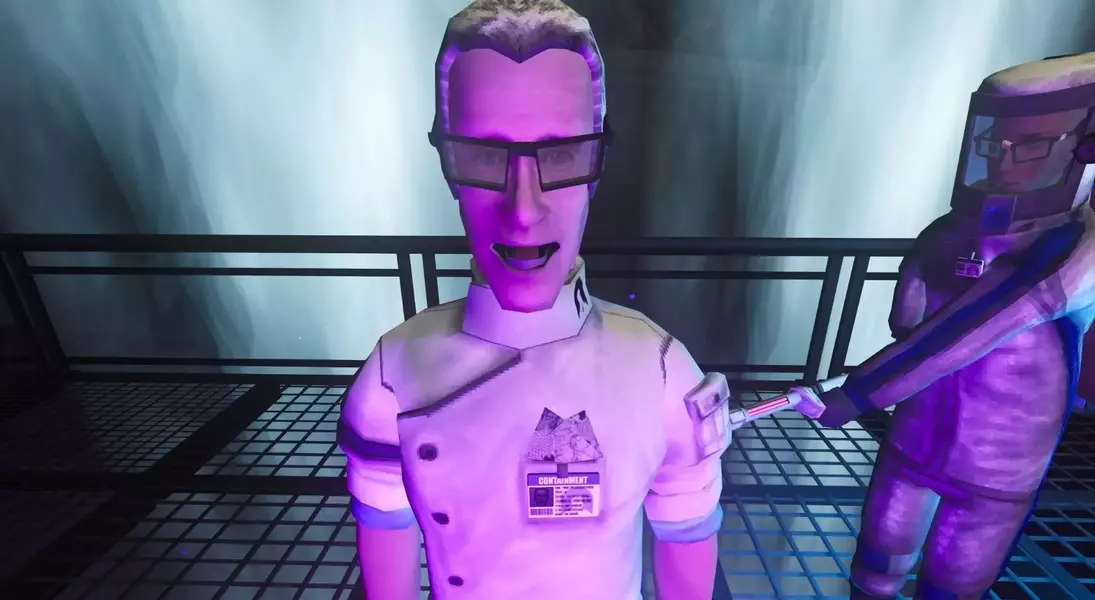
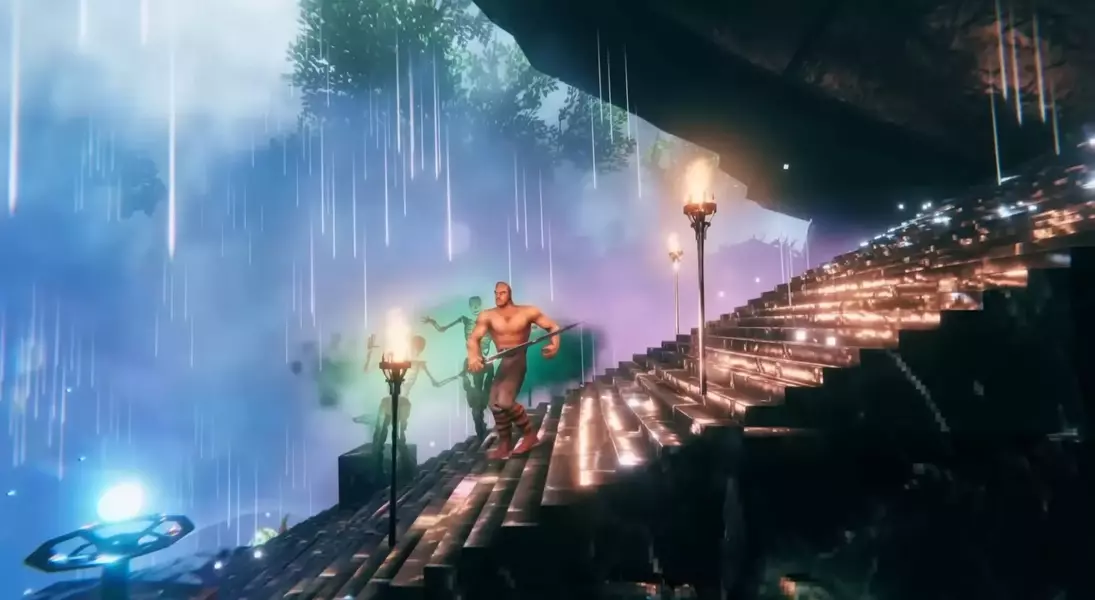
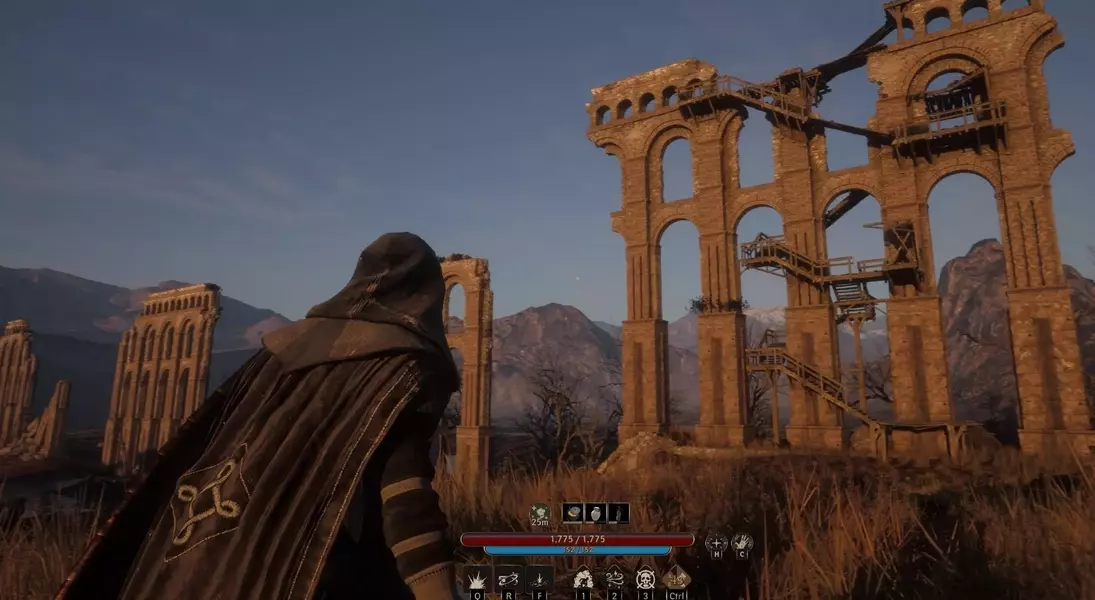
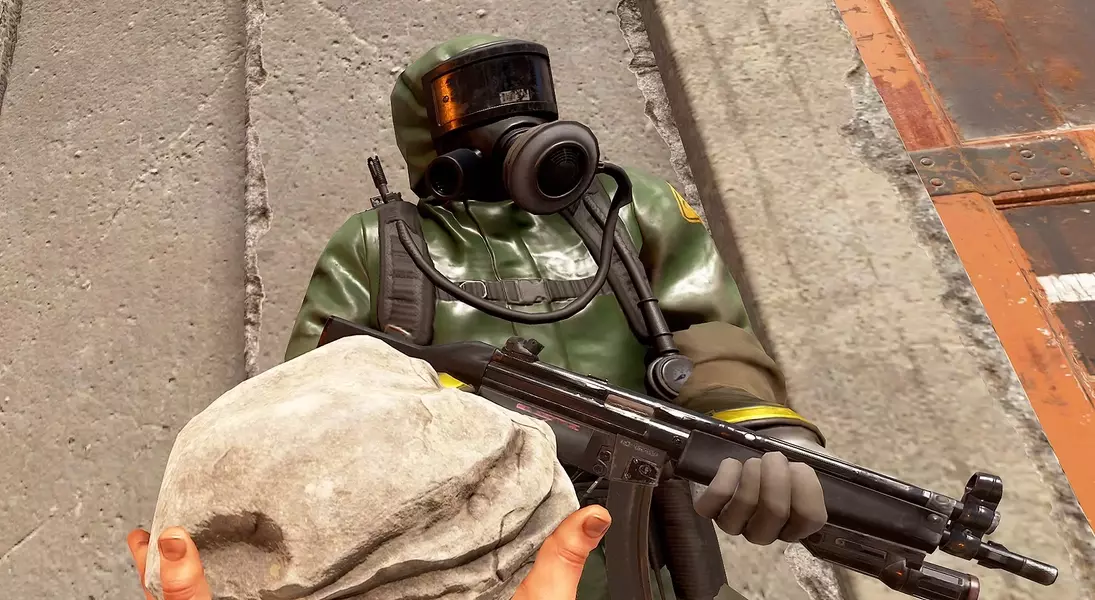
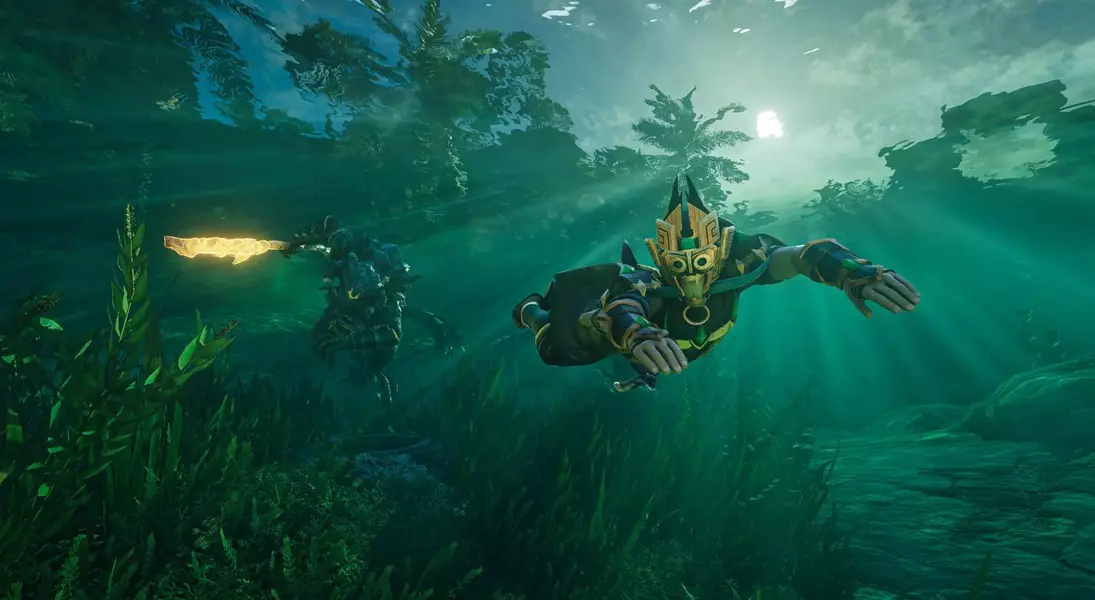
Among the notable releases and updates, several games have particularly stood out. Valheim's 'Call to Arms' update, initially underestimated, brought significant visual enhancements, combat revisions, and new equipment, reigniting a solo journey of discovery. Pax Dei, despite its early access status and some functional limitations, resonated with its player-driven world and the creative potential of building an online medieval presence. Misery captivated with its melancholic atmosphere, post-Soviet aesthetic, and engaging building mechanics, hinting at a promising future. Rust, with its 'Jungle' and blueprint updates, offered new strategic depths and environments, especially benefiting solo players seeking refuge in dense foliage. Finally, Enshrouded's 'Wake of the Water' update introduced dynamic water mechanics, allowing for unprecedented architectural freedom, including underwater construction. Abiotic Factor, celebrated as a top co-op game, provided a unique blend of scientific exploration and base-building, drawing heavily from classic sci-fi inspirations like Half-Life, proving its enduring appeal.
The continuous innovation within the survival-crafting genre demonstrates its vibrant and evolving nature. These games, through their intricate mechanics and expansive worlds, offer more than just entertainment; they foster creativity, problem-solving, and a sense of enduring accomplishment. The dedication of developers to enhance and expand these digital universes ensures that players will continue to find new challenges and rich experiences, promoting a sustained engagement that enriches the gaming community.
