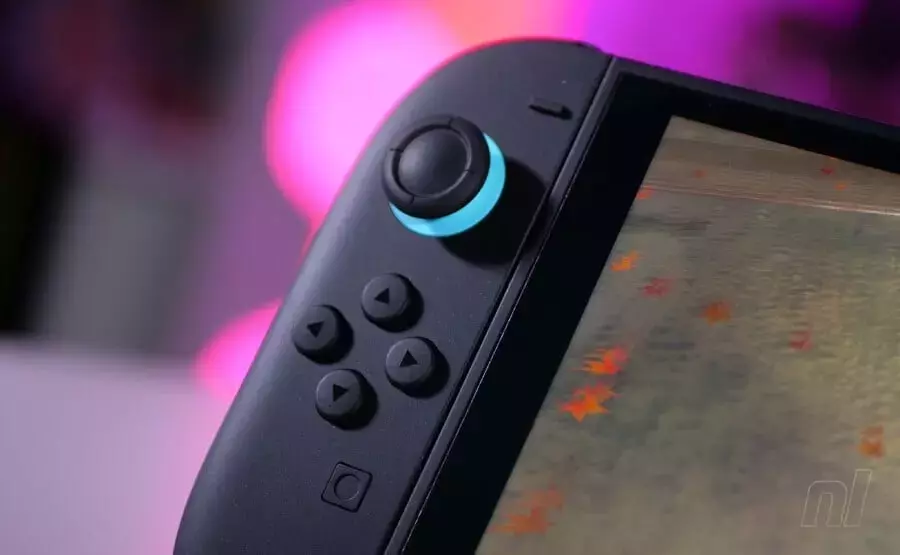
Renowned video game visionary Hideki Kamiya has expressed significant dissatisfaction with Nintendo's decision to omit a conventional directional pad from their latest console, the Switch 2. This design choice, according to Kamiya, disrupts his preferred gaming style and underscores a broader concern among some dedicated players regarding the evolution of control interfaces in modern gaming. Despite Nintendo's pioneering role in popularizing the D-Pad, its absence on recent flagship devices has left a segment of its audience, including influential figures like Kamiya, feeling marginalized.
Celebrated Developer Criticizes Switch 2's D-Pad Absence, Adapts with Custom Modifications
In a recent interview with 4Gamer concerning his impressions of 2025's gaming landscape, the acclaimed developer Hideki Kamiya, known for iconic titles such as "Devil May Cry" and "Bayonetta," openly criticized the Nintendo Switch 2. His primary contention revolved around the console's lack of an integrated D-Pad, a feature he considers fundamental to his gaming experience, particularly when playing in a reclined position. Kamiya articulated his dismay, stating that in an era celebrating diversity, Nintendo has inexplicably maintained a rigid stance against offering a Joy-Con variant equipped with a D-Pad, a decision that has persisted since the original Switch. This oversight compelled him to revert to his initial Switch console, which allowed for the use of external peripherals that reinstate the traditional D-Pad functionality. Undeterred by the design limitations of the Switch 2, Kamiya took matters into his own hands. He procured a Cyber Gadget "mini grip with D-pad" initially designed for the Switch 1 and, through meticulous sanding and modification to accommodate the subtly altered button layout of the Switch 2, successfully crafted his own custom "D-pad Joy-Con 2." This ingenious personal adaptation finally enabled him to comfortably engage with titles from the "Arcade Archives 2" series on the newer hardware.
Kamiya's proactive approach in modifying his controller underscores a prevalent sentiment among some gamers and developers: the enduring value of tactile, precise control offered by a dedicated D-Pad. His actions serve as a powerful testament to the importance of such design elements for specific gaming genres and playstyles, prompting a wider conversation about user customization and manufacturer responsiveness in the rapidly evolving world of gaming technology.
