




This comprehensive review encapsulates a year of engaging automotive encounters, highlighting significant shifts and notable observations within the industry. The author's journey includes personal vehicle transactions, explorations into advanced EV features like dynamic lighting and vehicle-to-load capabilities, and an analysis of specific engine designs such as the Nissan VC-Turbo's performance and reliability. Discussions also extend to practical challenges encountered with universal charging standards for electric vehicles and the profound impact of high-fidelity driving simulators on the virtual racing experience. Furthermore, the narrative touches upon the evolving landscape of car dealerships in response to the rise of electric cars and offers a unique insight into a curious VIN placement in a Dodge Charger.
The automotive world continues its rapid evolution, bringing forth both exciting innovations and persistent challenges. From the unexpected power trajectory of certain models to the transformative potential of electric vehicle technologies, each development reshapes how we interact with and perceive our vehicles. This past year has underscored the importance of adaptability within the industry, with manufacturers constantly seeking to balance performance, efficiency, and user experience. As the market embraces new forms of propulsion and digital integration, the focus remains on understanding these changes and their long-term implications for drivers and the industry alike.
The Shifting Dynamics of Vehicle Performance and Innovation
This section explores the evolution of vehicle capabilities, contrasting the historical performance of models like the Subaru Forester with its contemporary iterations, highlighting a surprising trend in horsepower. It also delves into the innovative features transforming the electric vehicle market, such as sophisticated front-end light shows and the practical application of vehicle-to-load technology, showcasing how EVs are redefining utility beyond mere transportation. The discussion extends to the engineering advancements in internal combustion engines, particularly the Nissan VC-Turbo, examining its design complexities and unexpected reliability in everyday use.
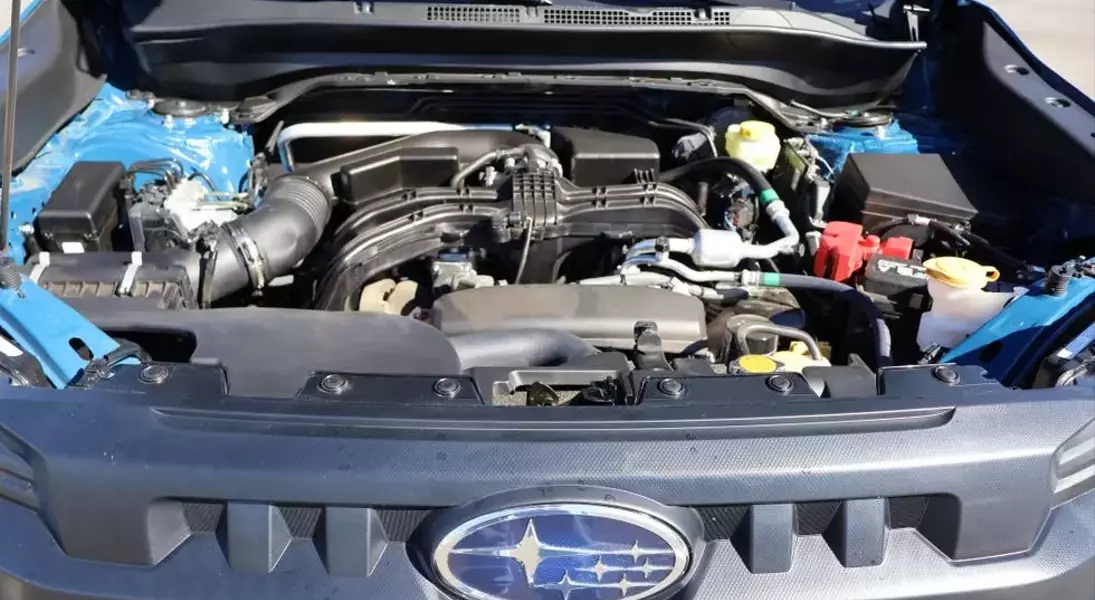
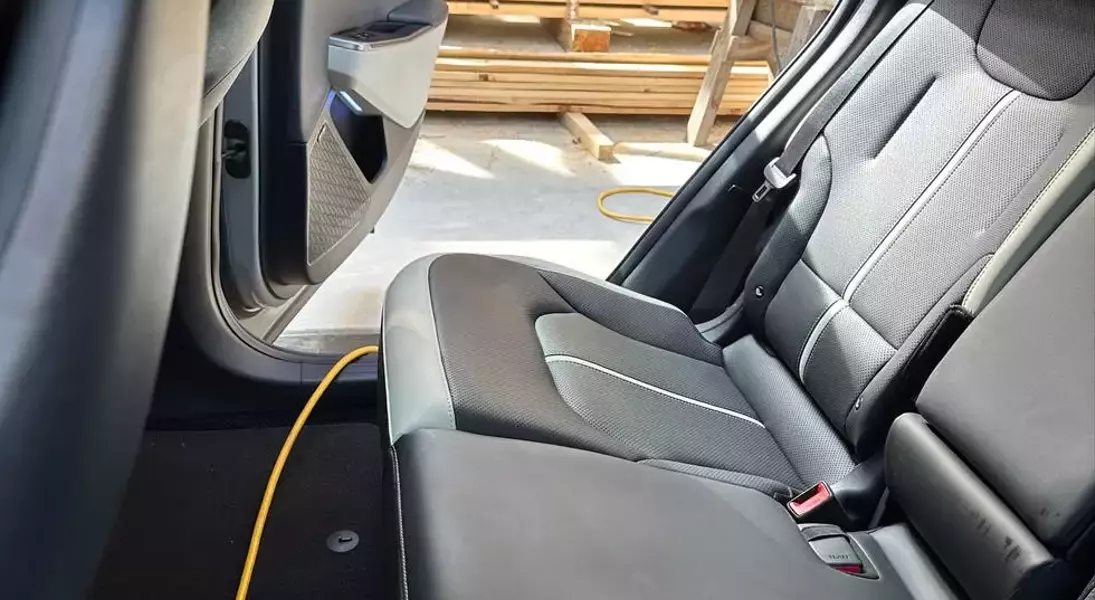
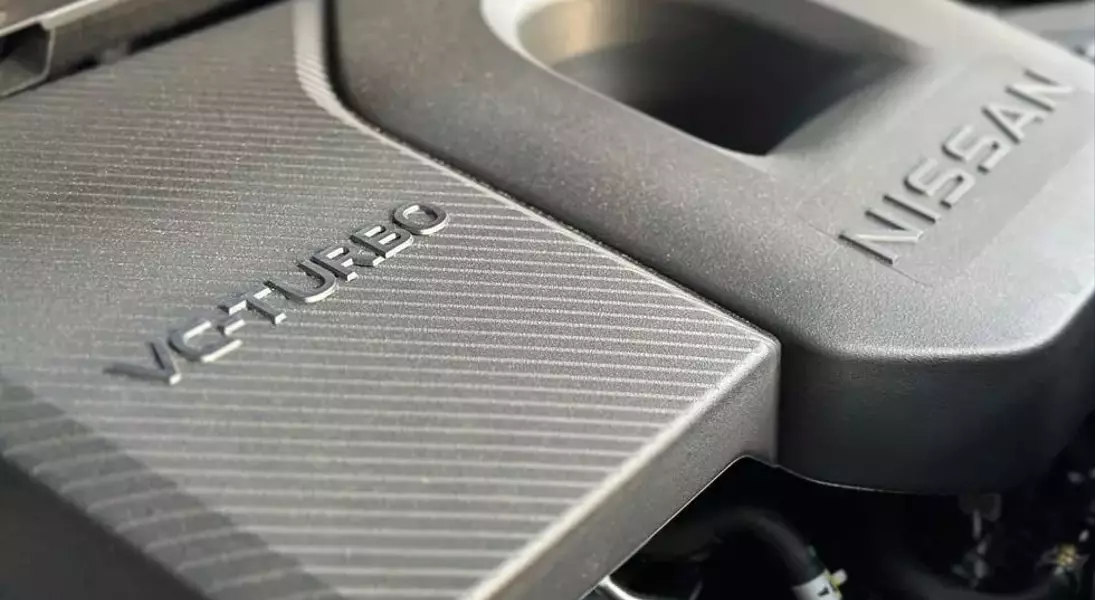
The automotive sector is witnessing significant shifts, particularly evident in the performance characteristics of various models. Take the Subaru Forester, for instance; the 2003 2.5 XT model boasted a robust 210 horsepower and a 5.3-second 0-to-60 mph acceleration, a stark contrast to the 2026 Forester's 180 horsepower. This downward trend in power output, especially noticeable over two decades, marks a unique anomaly in an industry typically pursuing greater performance. Meanwhile, electric vehicles are emerging as pioneers of innovation, exemplified by the GMC Sierra EV's captivating 'waterfall' light shows that transform the car's aesthetic presence, leveraging the absence of a traditional grille. Beyond visual appeal, EVs are proving their versatility with vehicle-to-load (V2L) technology, turning cars into mobile power sources capable of running tools, although with certain power limitations as demonstrated with a high-powered saw. Additionally, the Nissan VC-Turbo engine, with its complex variable compression ratio mechanism, has shown commendable durability despite early concerns and recalls, challenging the notion that advanced engineering inherently leads to reliability issues. Its successful deployment across multiple models and impressive mileage accumulation in the used market underscore its robust design and widespread acceptance.
Emerging Trends in EV Infrastructure and Driving Experience
This segment focuses on the practical aspects of electric vehicle ownership and the advanced world of driving simulation. It examines the integration of Tesla's Supercharger network with non-Tesla EVs, highlighting both the benefits of expanded access and the unexpected design and charging compatibility challenges encountered. Furthermore, it discusses how immersive driving simulators are revolutionizing training and entertainment for automotive enthusiasts, setting new benchmarks for realism and altering perceptions of virtual driving experiences. The section concludes with observations on the evolving operational models of car dealerships in the face of increasing EV adoption, emphasizing how vehicle design impacts after-sales service.
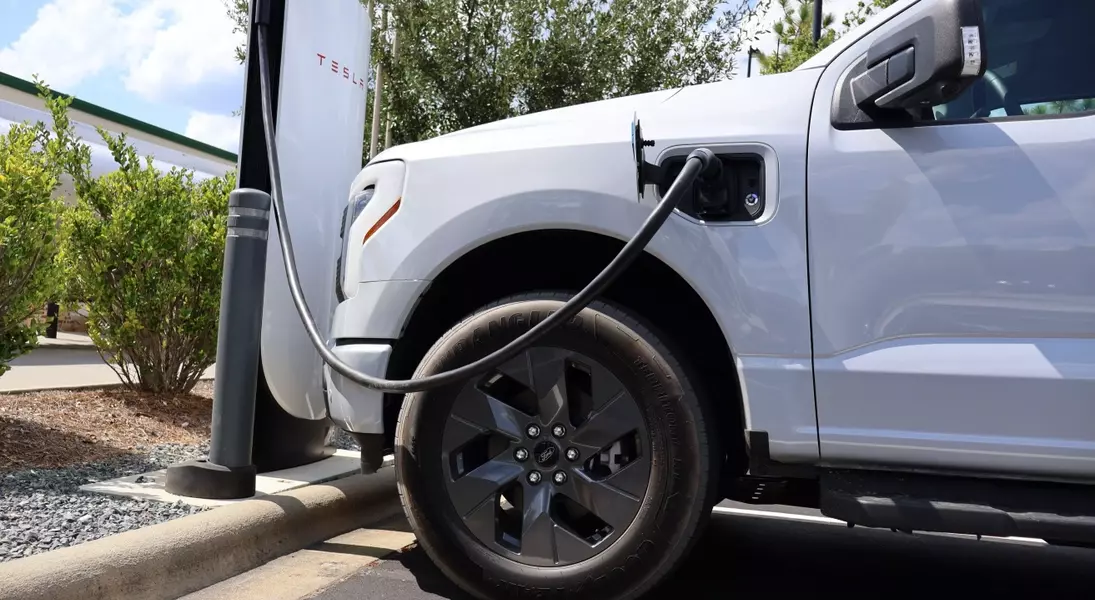
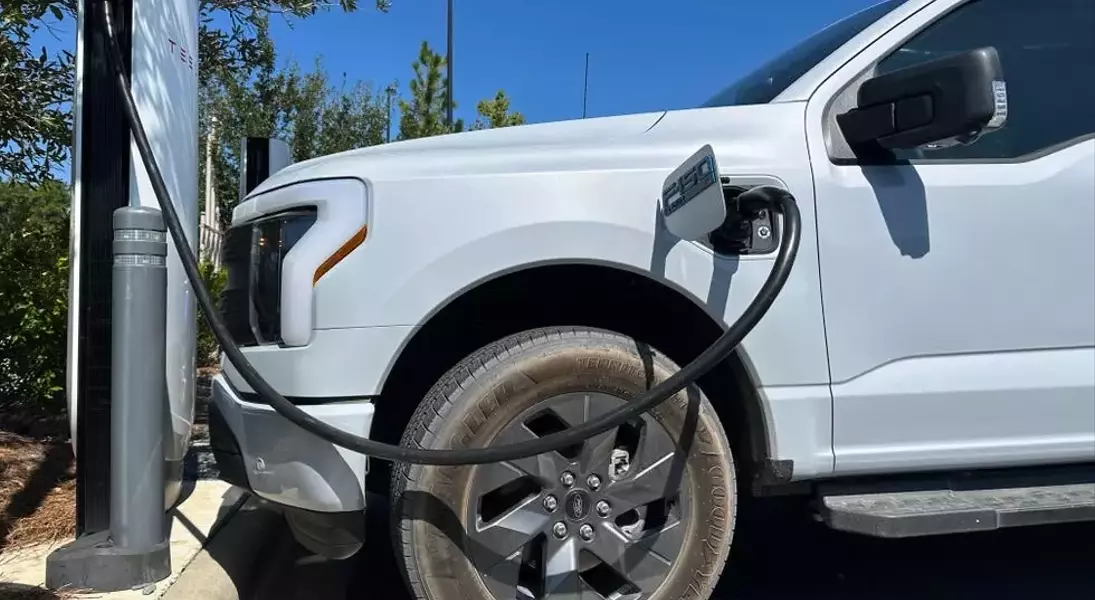
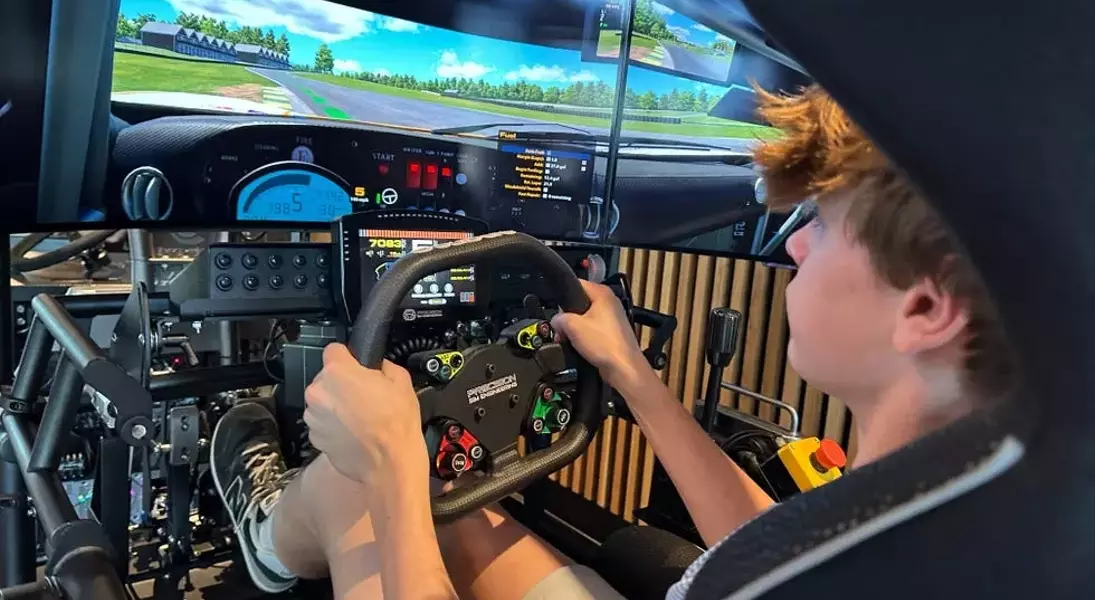
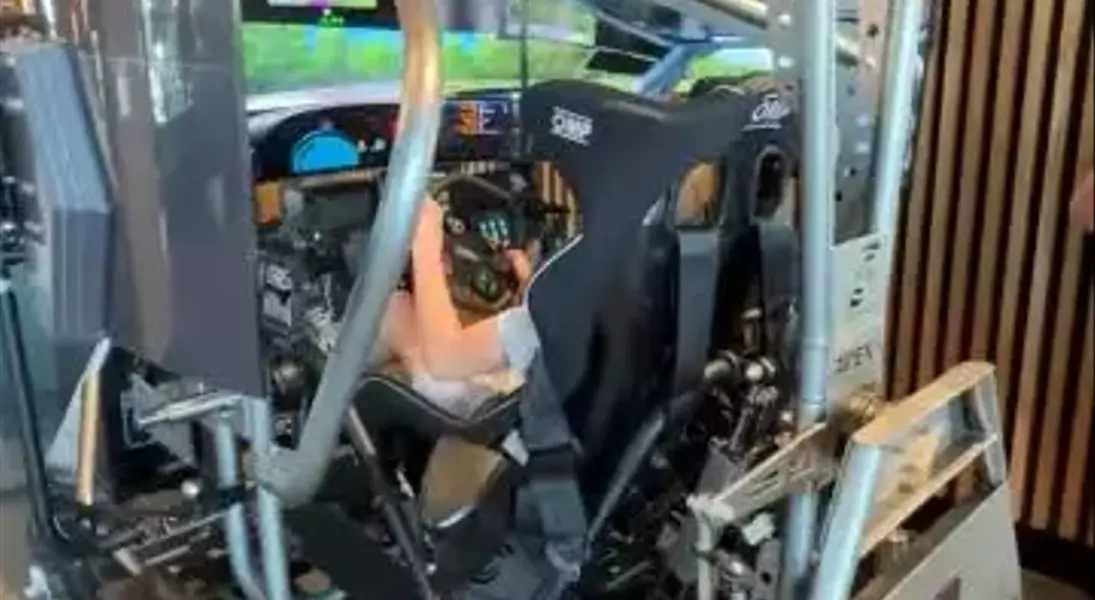
The expansion of Tesla's Supercharger network to accommodate non-Tesla electric vehicles marks a significant step towards a more unified charging infrastructure, yet it presents practical hurdles. The Ford Lightning, for example, faces difficulties due to its charge port's inconvenient placement, making it awkward to connect to Tesla's shorter cables. Additionally, inconsistencies in charging speeds, such as the Lucid Air Touring receiving a surprisingly slow 47 kW charge from multiple Superchargers, raise questions about equitable access and potential performance variations across different EV models. In parallel, advancements in driving simulation technology, particularly high-fidelity systems like the Simcraft Apex GT, are redefining expectations for virtual driving. These simulators, with their six degrees of freedom, replicate G-forces so realistically that they eliminate the motion sickness often associated with less advanced setups, offering an unparalleled training ground for professional racers and an ultimate experience for enthusiasts. Concurrently, the automotive dealership model is undergoing a transformation driven by electric vehicles. With EVs requiring less frequent and less complex maintenance—as illustrated by the Volvo EX90's extended service intervals—dealerships face reduced revenue from traditional service offerings. This shift highlights a broader industry trend where the core business of car sales and service must adapt to the lower maintenance demands of electric powertrains, potentially pushing dealerships to explore new revenue streams or redefine their value proposition.
