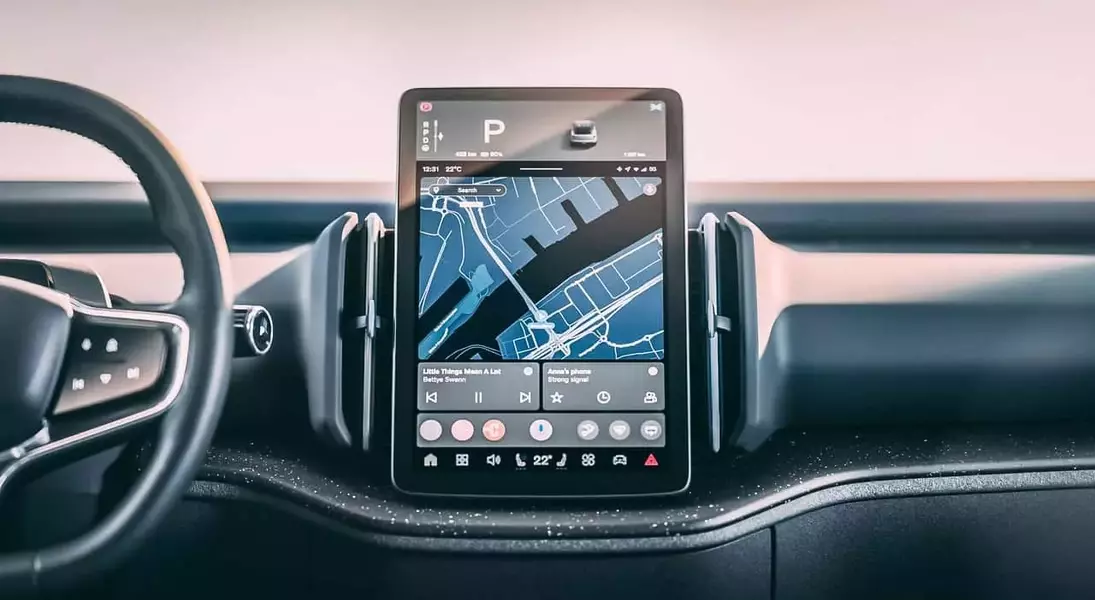

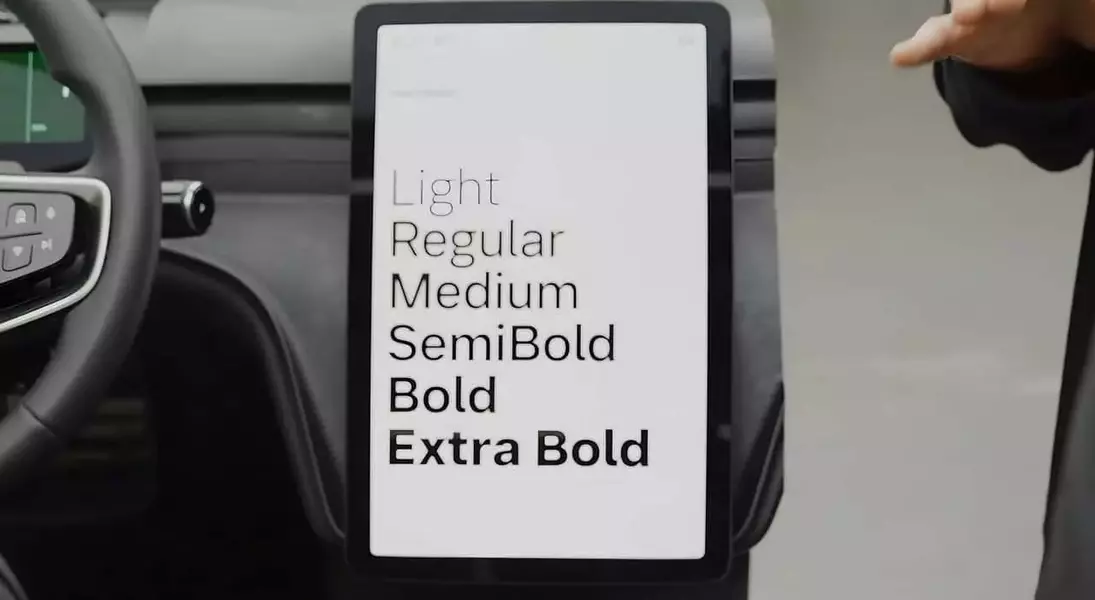
Volvo, a brand synonymous with automotive safety, is once again at the forefront of innovation, this time focusing on a less obvious but equally crucial aspect of in-car safety: screen design. With the increasing prevalence of digital interfaces in modern vehicles, the company has developed a new font, named Volvo Centum, to minimize driver distraction and improve readability. This typeface, created in partnership with Dalton Maag, aims to guide a driver's gaze and reduce the time spent interacting with in-car displays, which can be a significant hazard on the road.
While Volvo's commitment to enhancing digital interface safety through design is commendable, a growing sentiment among drivers and even some manufacturers suggests a simpler and more intuitive solution: the reintroduction of physical buttons. Studies have shown that interacting with touchscreens can divert a driver's attention for extended periods, potentially leading to dangerous situations. Consequently, several leading automakers are now acknowledging the demand for tactile controls, moving away from purely digital cockpits to incorporate a blend of traditional and modern interfaces.
Despite this broader industry shift back towards physical controls, Volvo's approach with new models like the EX30 still heavily favors large touchscreens over tangible buttons for many essential functions. This design choice, while futuristic, has drawn criticism for potentially complicating simple tasks and increasing the risk of driver distraction. Nevertheless, recent indications, such as Volvo's consideration of reverting to traditional key fobs, suggest a potential openness to re-evaluating their interface strategy. This move could pave the way for a more balanced integration of digital screens and physical controls, ultimately prioritizing driver safety and user experience.
In the pursuit of safer and more enjoyable driving experiences, the automotive industry continues to evolve, balancing technological advancements with practical usability. The ongoing dialogue about in-car interfaces highlights the importance of intuitive design, where innovation serves to enhance, rather than detract from, the fundamental act of driving. Ultimately, the goal is to create an environment where technology seamlessly supports the driver, ensuring focus remains on the road ahead.
