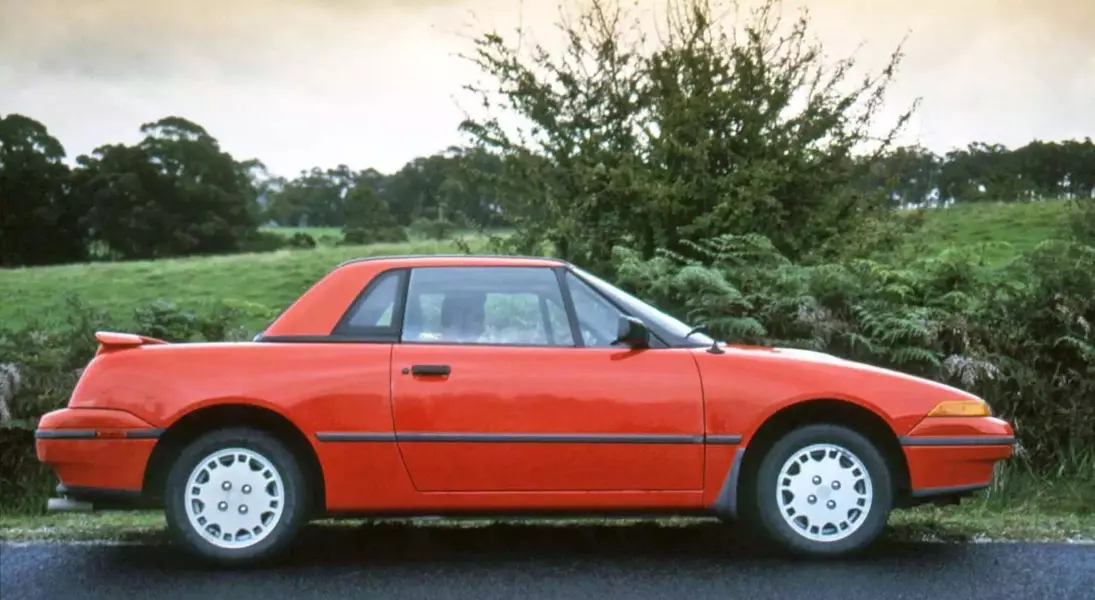
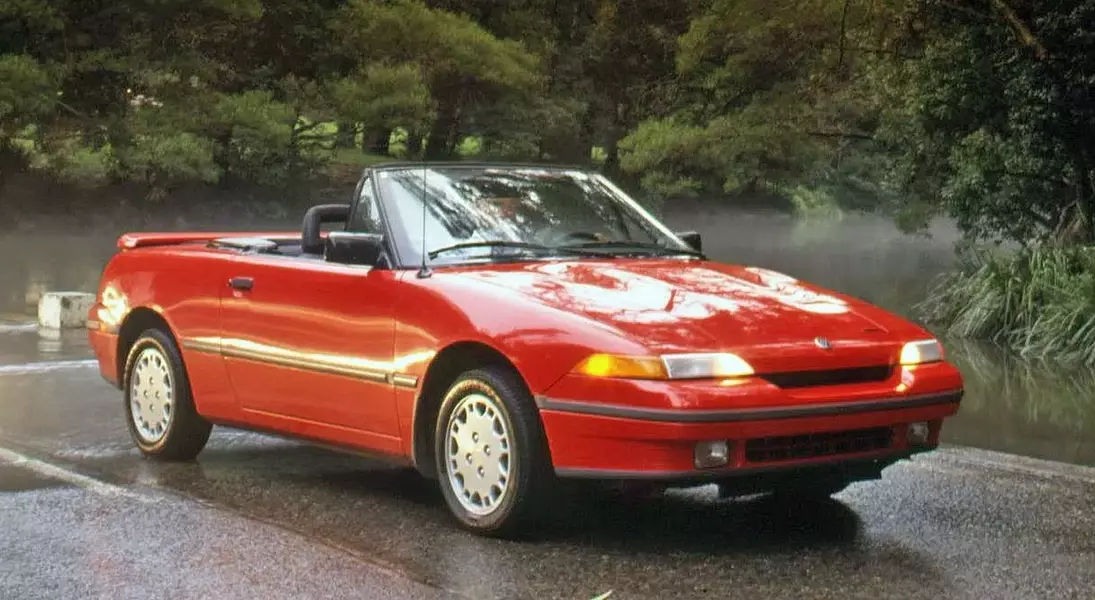
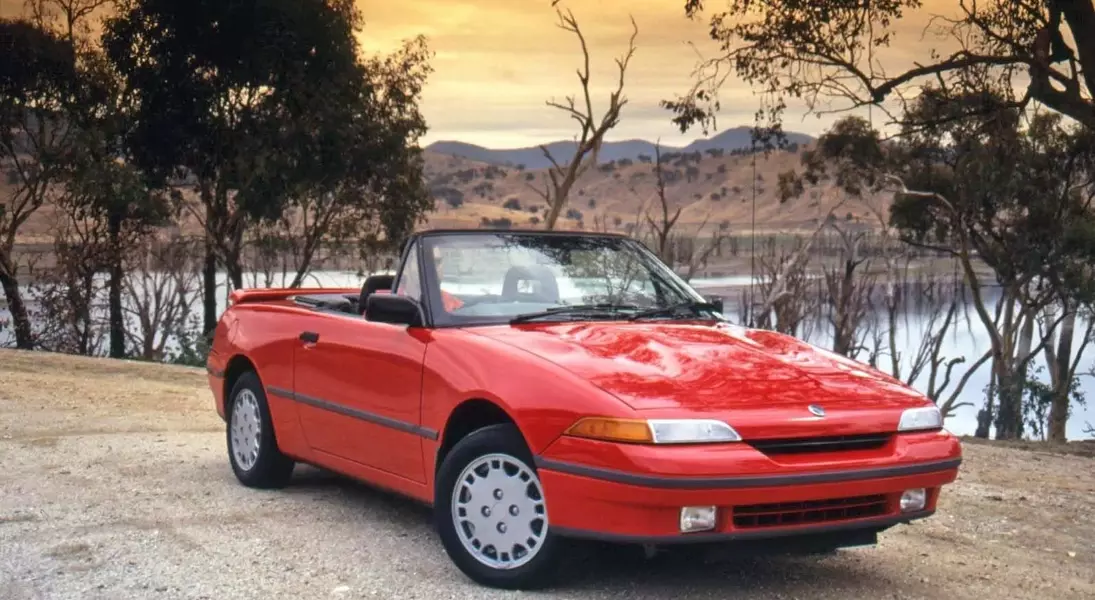
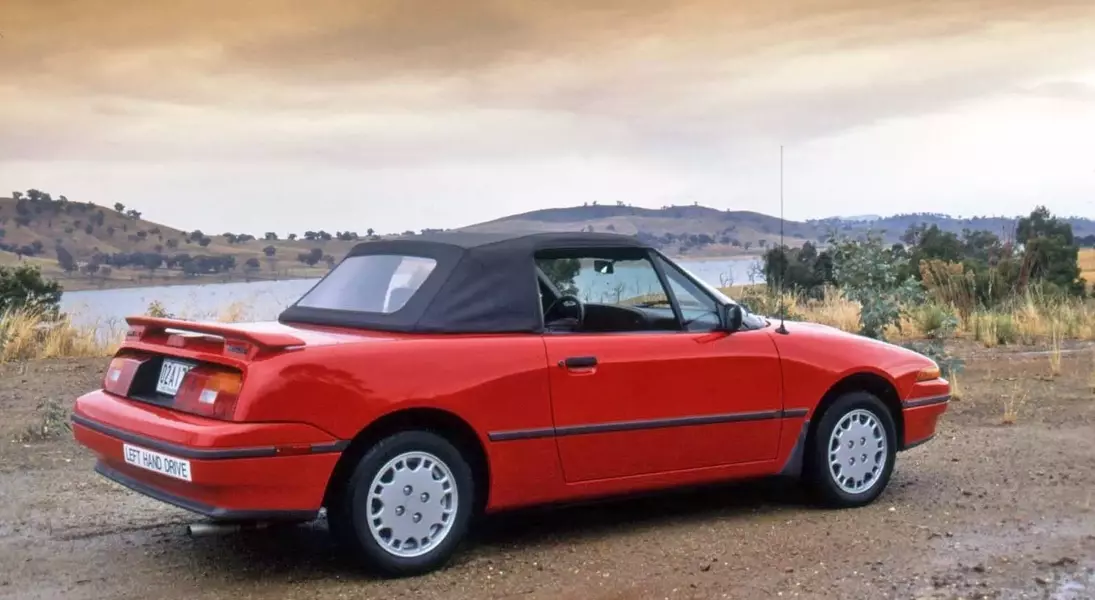
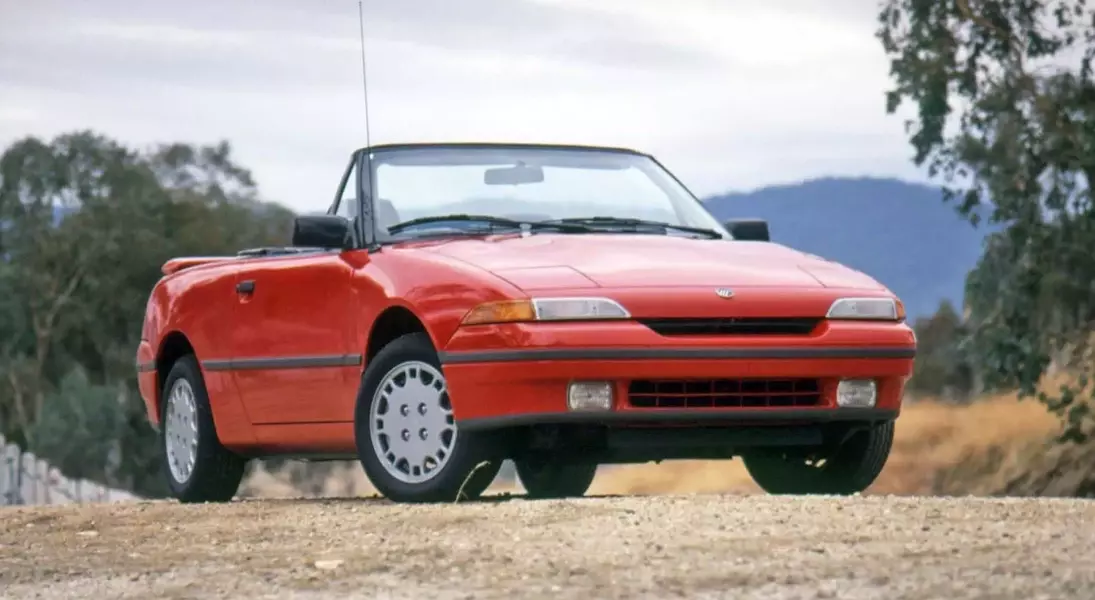
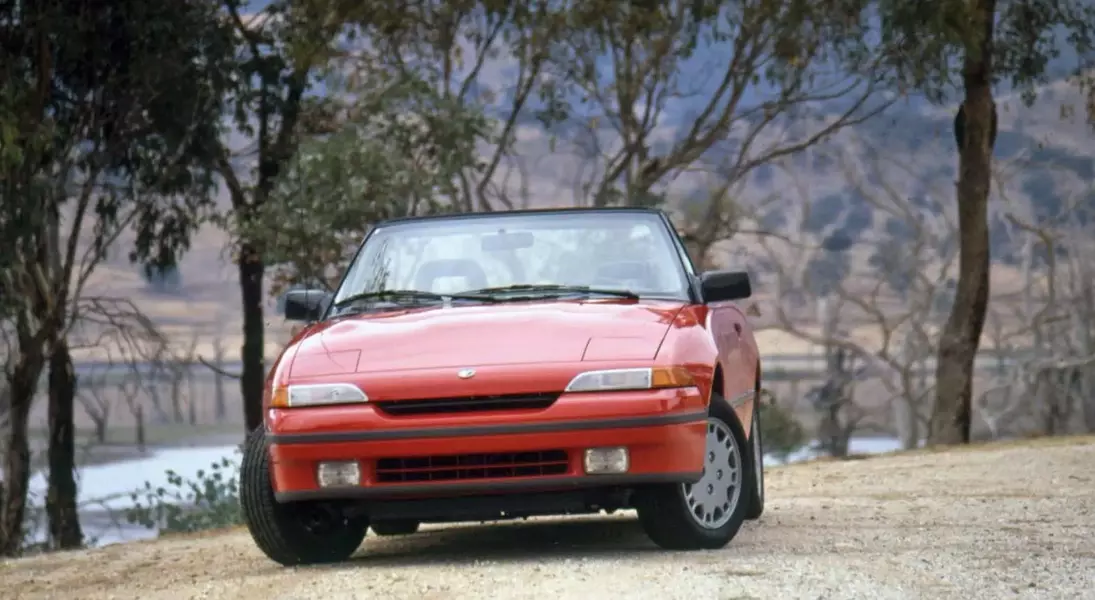
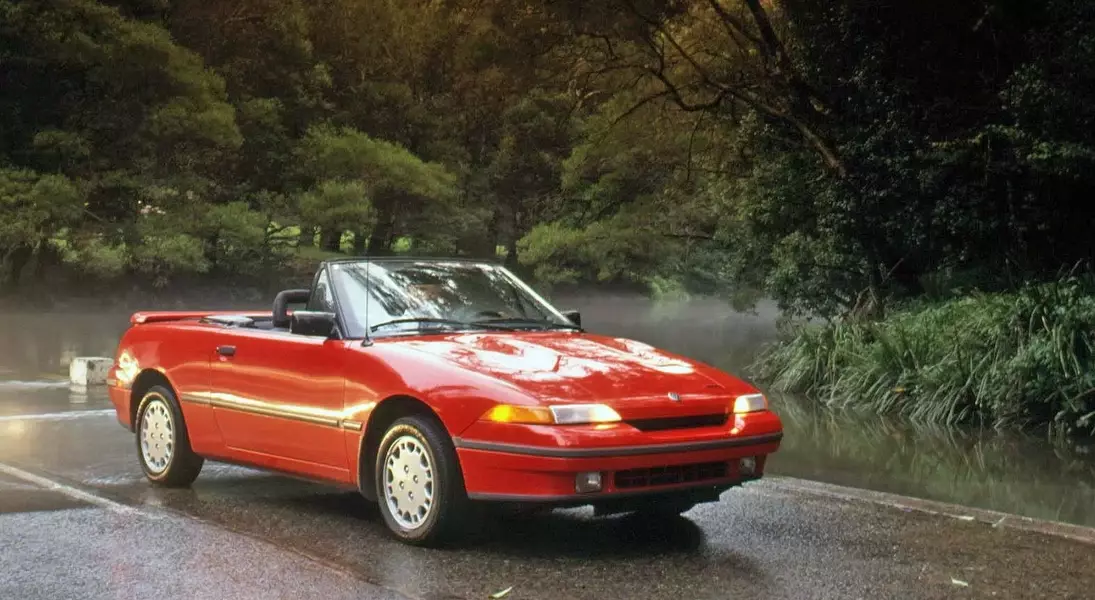

In the wake of the Mazda Miata's debut, the automotive landscape welcomed another sporty convertible: the 1990 Mercury Capri. This vehicle, distinguishing itself from its contemporaries, originated from Australia and featured a front-wheel-drive system, a notable contrast to the Miata's rear-wheel-drive configuration. Despite its unique mechanical foundation, the Capri aimed to carve out its own niche in the convertible market.
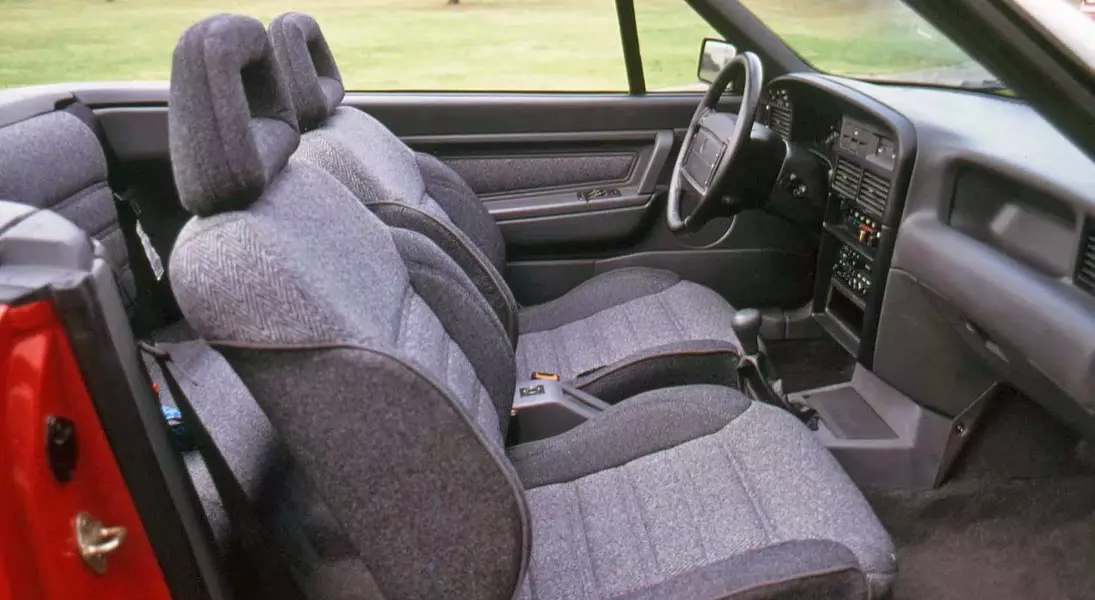
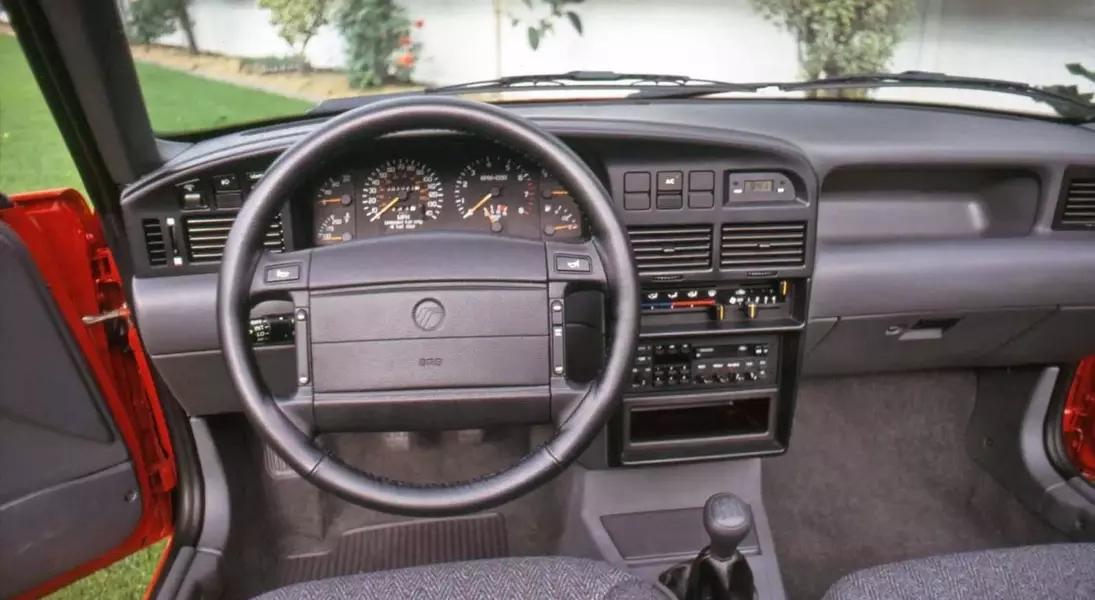
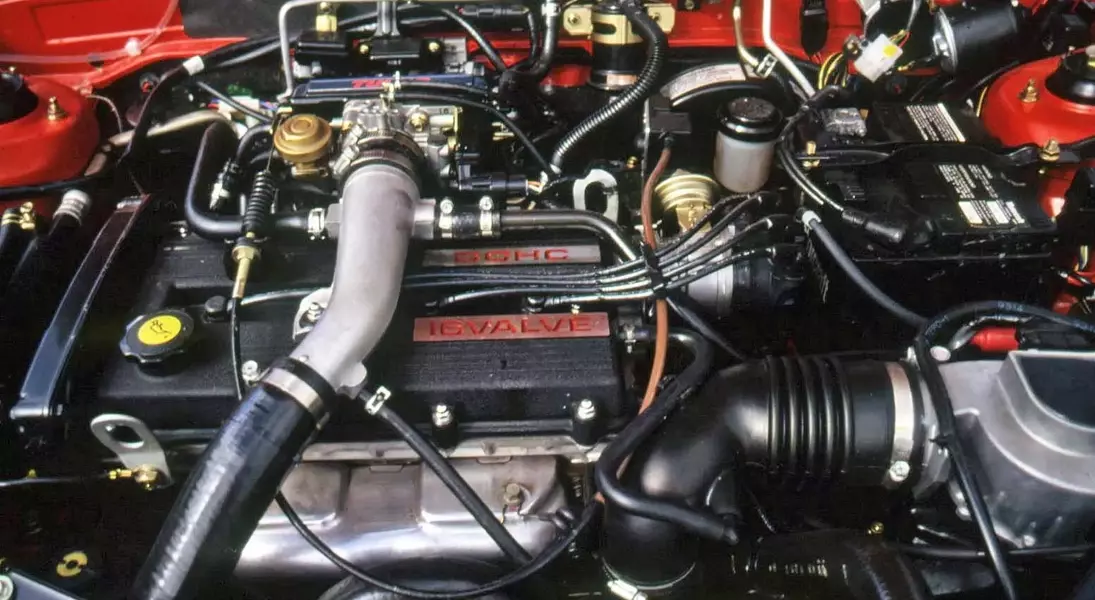
While the Capri's exterior styling, characterized by a somewhat wedge-like shape, might not have universally appealed to all aesthetic preferences, its interior design offered a distinct advantage. It boasted a roomier cabin compared to the Miata, a practical benefit further enhanced by the inclusion of a small back seat, increasing its versatility for various passenger needs. The XR2 variant, specifically designed for those seeking a more engaging driving experience, was exclusively equipped with a manual transmission, catering to enthusiasts who preferred direct control over their vehicle's performance.
The Mercury Capri XR2, through its design and features, reminds us that innovation often comes in various forms and from unexpected places. It highlights how embracing different engineering approaches and prioritizing practical considerations, such as interior space, can lead to a distinct and valuable product. Every vehicle, regardless of its initial reception, contributes to the rich tapestry of automotive history, offering insights into the evolving preferences and engineering philosophies of its time.
