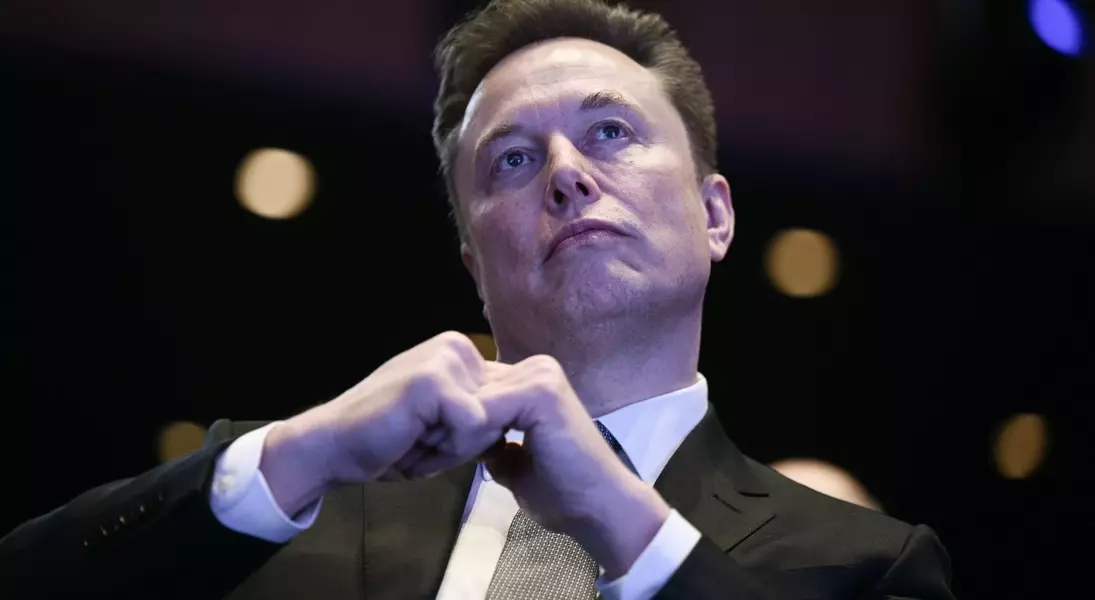
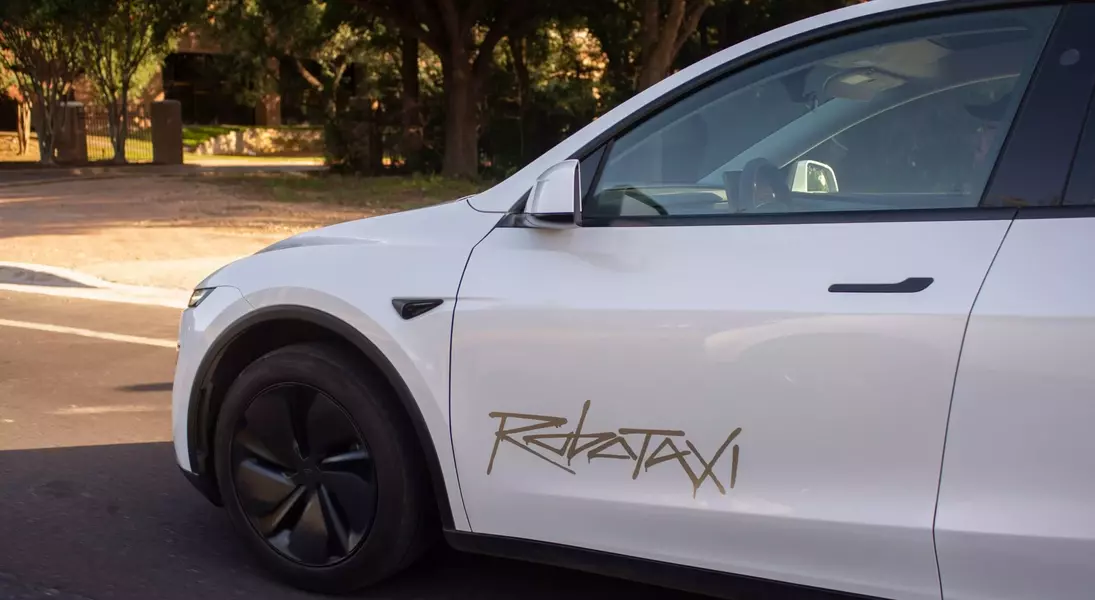
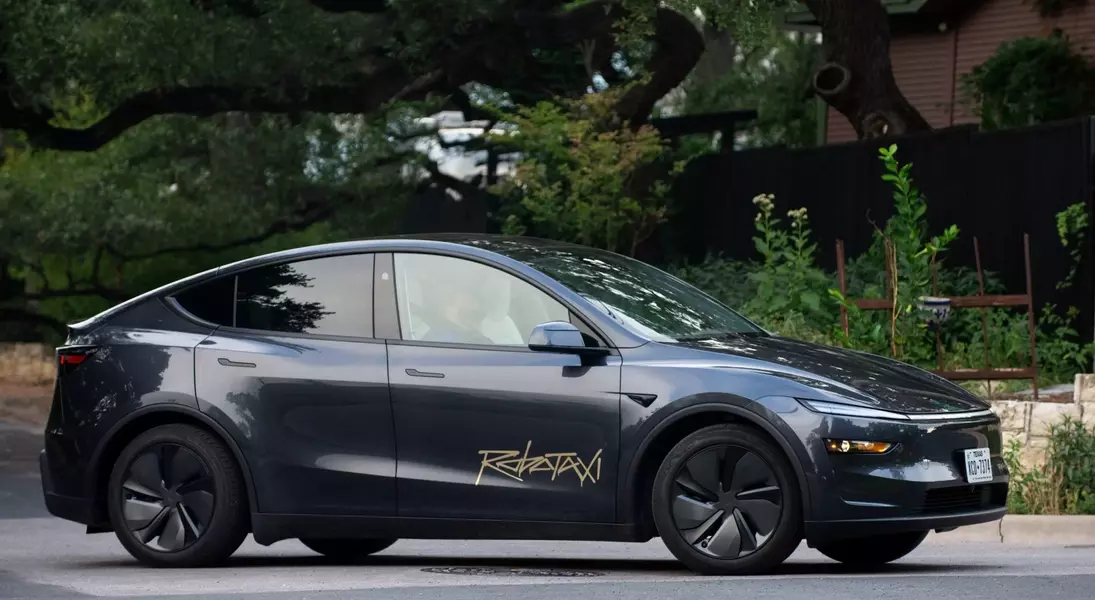
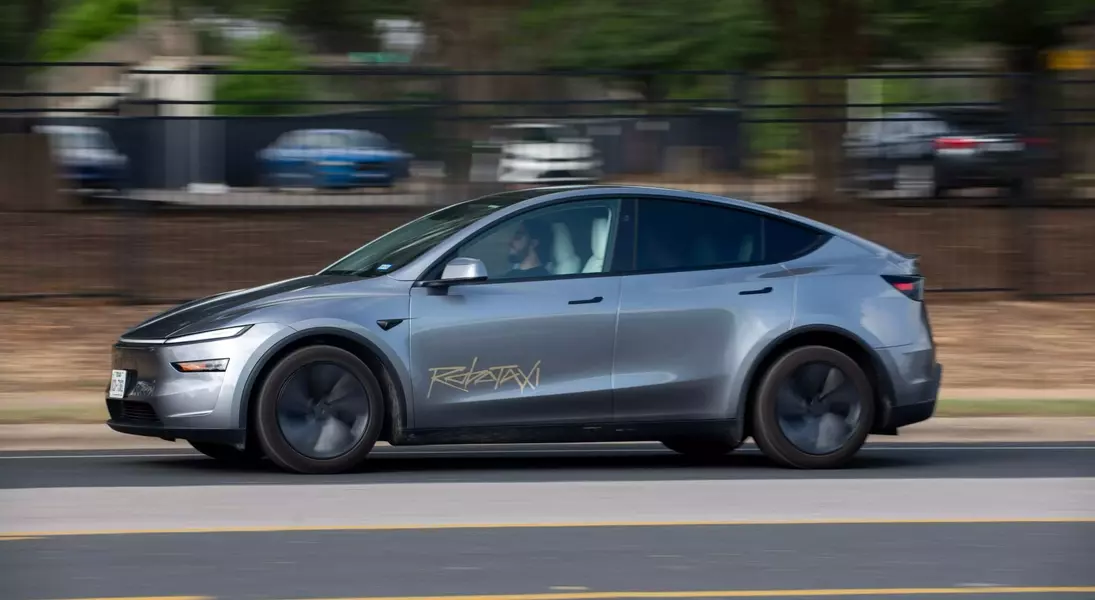
Tesla's 'Robotaxi' initiative is experiencing rapid growth in California, yet this expansion is occurring under circumstances far removed from the fully autonomous future envisioned by Elon Musk. Despite a substantial increase to over a thousand vehicles registered for paid 'Robotaxi' services within a few months, every single car still operates with a human driver. This scenario contrasts sharply with Musk's consistent projections of a driverless reality, showcasing a notable divergence between advanced conceptual designs and current functional deployment.
While the company demonstrates progress with dedicated driverless prototypes and futuristic concepts like the Cybercab, the present operational model requires human supervision, particularly in California. This necessity stems from regulatory frameworks that classify Tesla's 'Full Self-Driving' software as a driver-assistance system rather than a truly autonomous one. This regulatory stance necessitates human intervention, positioning the service more as a high-tech ride-hailing option rather than the driverless experience consumers have been led to anticipate. The disparity between Musk's ambitious forecasts and the on-the-ground reality raises questions about the timeline for achieving full autonomy and the company's promotional strategies.
The path forward for Tesla's autonomous ambitions remains uncertain, with a clear gap between its aspirational branding and current technological and regulatory realities. While some of Tesla's past audacious promises, like the Cybertruck, eventually materialized, the challenge for 'Robotaxis' lies in transitioning from a human-supervised service to a fully driverless one. This transition is contingent upon obtaining comprehensive autonomous permits in critical markets and successfully navigating public and regulatory skepticism, ensuring that the eventual 'Cybercab' experience lives up to the promises made to consumers.
Innovation, while often fraught with challenges and requiring patience, ultimately paves the way for transformative advancements that can redefine industries and improve daily life. The journey towards fully autonomous vehicles, despite its current complexities and the inherent need for safety and regulatory compliance, represents a forward-looking endeavor that holds immense potential for the future of transportation, promising greater efficiency, accessibility, and new possibilities for mobility.
