



A groundbreaking scientific endeavor is underway in Antarctica, as researchers brave extreme conditions to probe the depths of the Thwaites Glacier. This critical mission seeks to unravel the complex processes contributing to the glacier's accelerated melting, a phenomenon with significant implications for global sea levels and coastal communities worldwide. By extracting ice cores and deploying advanced sensors, scientists hope to gather unprecedented data that will refine climate models and inform future mitigation strategies. The harsh environment and remote location present immense logistical challenges, but the potential insights gained are deemed vital for understanding and addressing the planet's changing climate.
The Critical Mission: Unveiling the Secrets of Thwaites Glacier
Scientists have embarked on an ambitious and challenging journey to Antarctica with a singular, vital objective: to drill into the rapidly melting Thwaites Glacier. This unprecedented expedition is driven by the urgent need to understand the underlying causes of its accelerated ice loss. The Thwaites Glacier, often referred to as the 'Doomsday Glacier' due to its immense size and potential impact on global sea levels, is shedding ice at an alarming rate. By penetrating deep into its icy interior, researchers aim to collect invaluable samples and data that will illuminate the complex interactions between the ice, ocean, and bedrock, providing crucial insights into the glacier's dynamic behavior and its future trajectory.
The expedition to Thwaites Glacier represents a monumental undertaking in glaciological research, pushing the boundaries of scientific exploration in one of Earth's most unforgiving environments. The team faces formidable obstacles, including brutal cold, unpredictable weather, and the logistical complexities of operating heavy equipment in such a remote region. However, the potential scientific gains are immense. The data collected from ice cores and sub-glacial measurements will be instrumental in refining climate models, improving predictions of future sea-level rise, and ultimately, helping coastal communities worldwide prepare for the impacts of a warming planet. This deep dive into the heart of the Thwaites Glacier is not just a scientific endeavor; it is a race against time to understand a critical component of Earth's climate system.
Journey to the Frozen Continent: Challenges and Expeditions
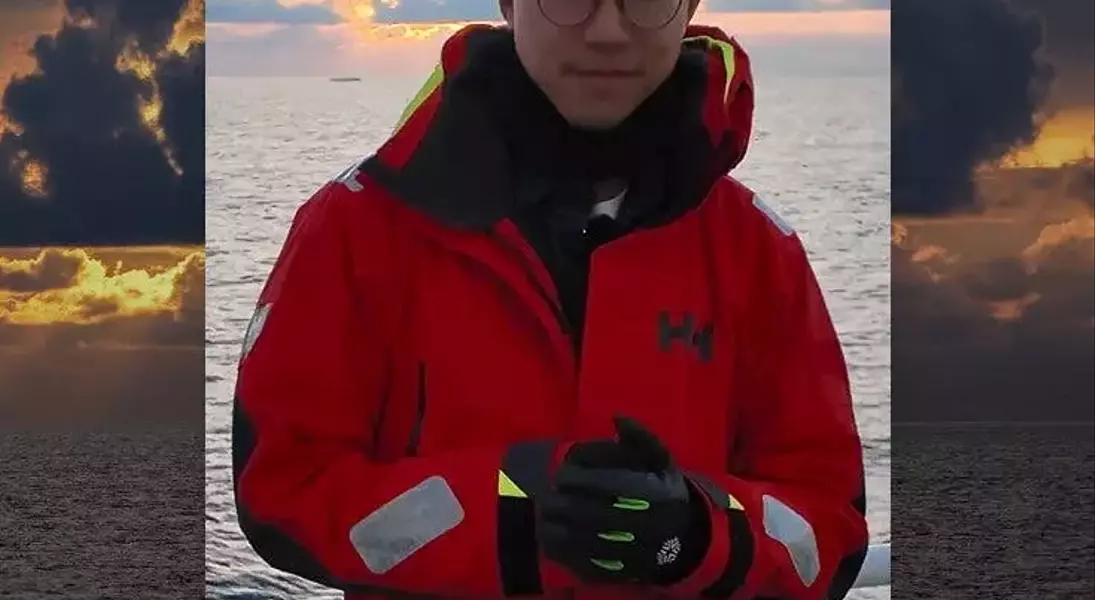
The journey to the frozen continent of Antarctica is an expedition filled with inherent challenges and breathtaking experiences, highlighting the resilience of both nature and the human spirit. Researchers undertaking the Thwaites Glacier project navigate treacherous sea ice, battle fierce storms, and endure prolonged periods of isolation, all while working in temperatures far below freezing. Beyond the scientific objectives, the voyage itself offers unique perspectives on this pristine environment, from mesmerizing sunsets over the icy expanse to the intricate dance of light on the vast, untouched landscape. Every step of the journey, from setting sail to establishing a research camp, is a testament to meticulous planning and unwavering dedication.
Accessing the remote and hostile environment of Thwaites Glacier requires specialized ice-strengthened vessels and a meticulous logistical framework. The expedition crew must contend with unpredictable weather patterns, including blizzards and whiteouts, which can severely hamper operations. Navigating through dense fields of sea ice demands expert seamanship and constant vigilance. Life aboard the research vessel is a blend of scientific rigor and communal living, with team members working in shifts around the clock to maximize research opportunities. Despite the arduous conditions, the sheer beauty and scientific significance of Antarctica inspire a profound sense of purpose among the researchers, making every challenge a valuable part of this extraordinary scientific odyssey to unlock the secrets of the planet's largest ice sheet.
