This piece delves into the world of laundry in Cambodia's Siem Reap, offering a photographic journey that uncovers the profound cultural and economic significance of this everyday task. It highlights the dedication and adaptability of local communities, showcasing how the simple act of washing clothes weaves into the fabric of their lives, providing both sustenance and a unique perspective on their environment.
The Unseen Tapestry: Where Everyday Chores Become Art and Livelihood
A Photographer's Journey: Discovering the Hidden Beauty of Laundry by the Siem Reap River
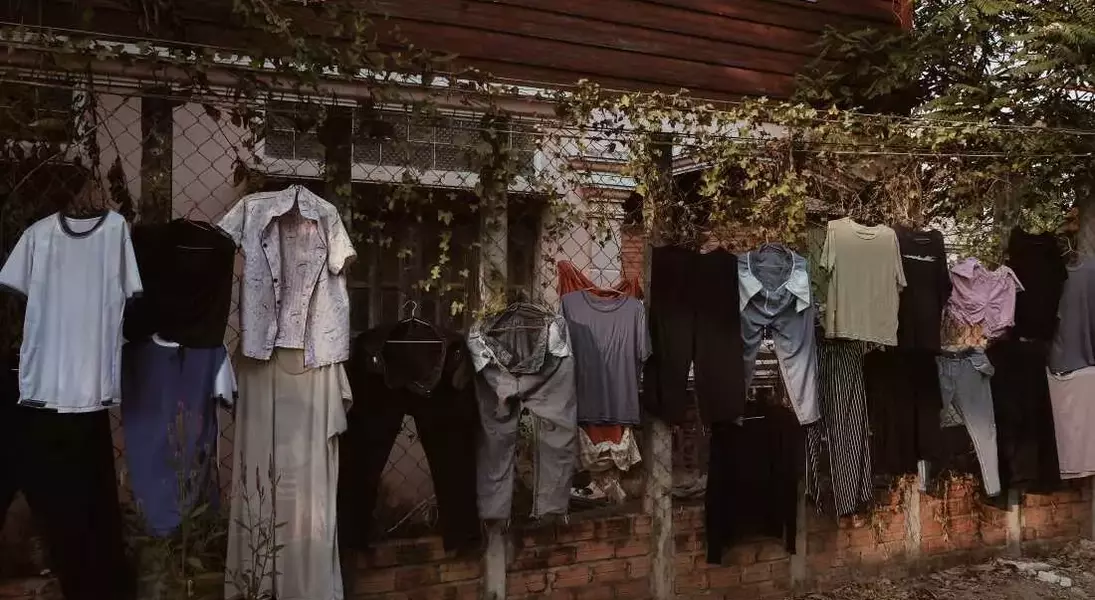
In the early days of February, photographer Macy Castañeda Lee embarked on a motorcycle expedition along the tranquil Siem Reap River, venturing into the vast expanses of rice and lotus fields that fringe the Cambodian city. Far removed from the bustling city center, Castañeda Lee stumbled upon a flourishing activity that permeated the streets, homes, and riverbanks.
The sheer volume of clothing being washed and dried was immediately striking to Castañeda Lee, a Filipino photographer attending the Angkor Photo Festival and Workshop. This visual spectacle prompted a deeper exploration into the meaning of laundry within the Cambodian community.
Unveiling the "Invisible" Workforce: The Economic and Health Symbolism of Laundry
With camera in hand, Castañeda Lee began to document the diverse arrays of clothes, uncovering the profound symbolism of laundry for the Khmer people. It became clear that this chore was more than just cleaning; it represented the community's economic standing and health standards.
Siem Reap is renowned for its expansive 400-acre complex of Hindu-Buddhist temples, a UNESCO World Heritage site that attracted nearly one million international visitors in 2025. This tourism boom has led to the emergence of laundry services in outlying areas, offering rural communities a vital source of income. A small load of laundry typically costs around 4,000 riel, or approximately one U.S. dollar.
Castañeda Lee's photographic endeavor aimed to acknowledge the diligent individuals behind the scenes of Cambodian tourism, who dedicate countless hours each day to washing tourists' garments.
A Dual Advantage: Laundry as a Source of Income and a Shield Against Nature
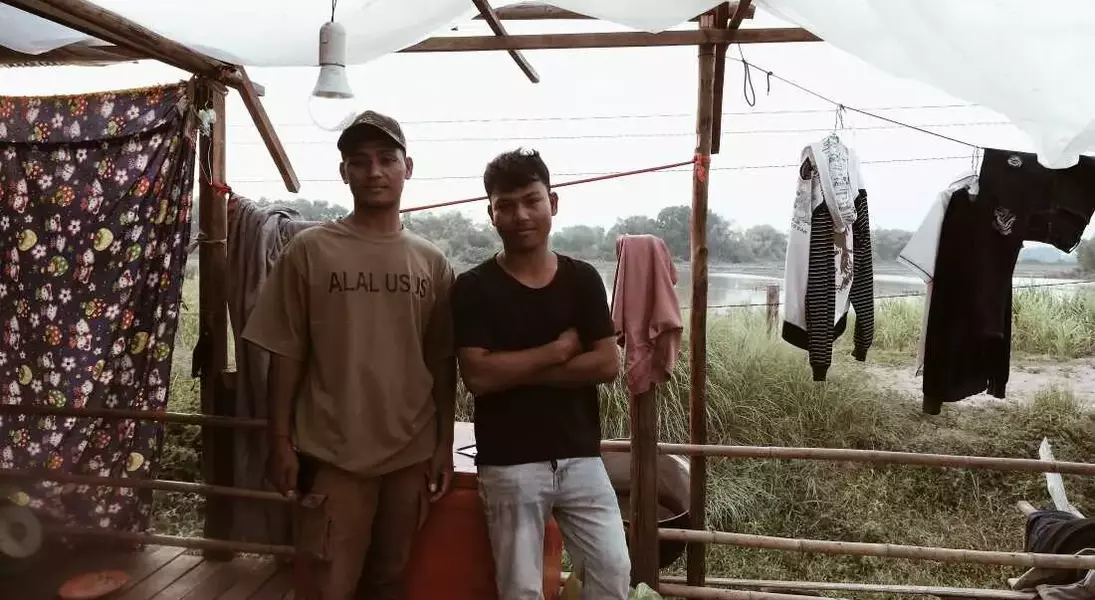
Located roughly equidistant from Siem Reap's urban core and Tonlé Sap lake, Castañeda Lee visited Sothea and Bong Chea, two Khmer brothers residing in a home constructed from repurposed fabric and assorted materials. For them, laundry offered a twofold benefit: the hanging clothes served as an impromptu barrier against insects at night, and the service provided by washing neighbors' garments for a modest fee offered supplementary financial assistance.
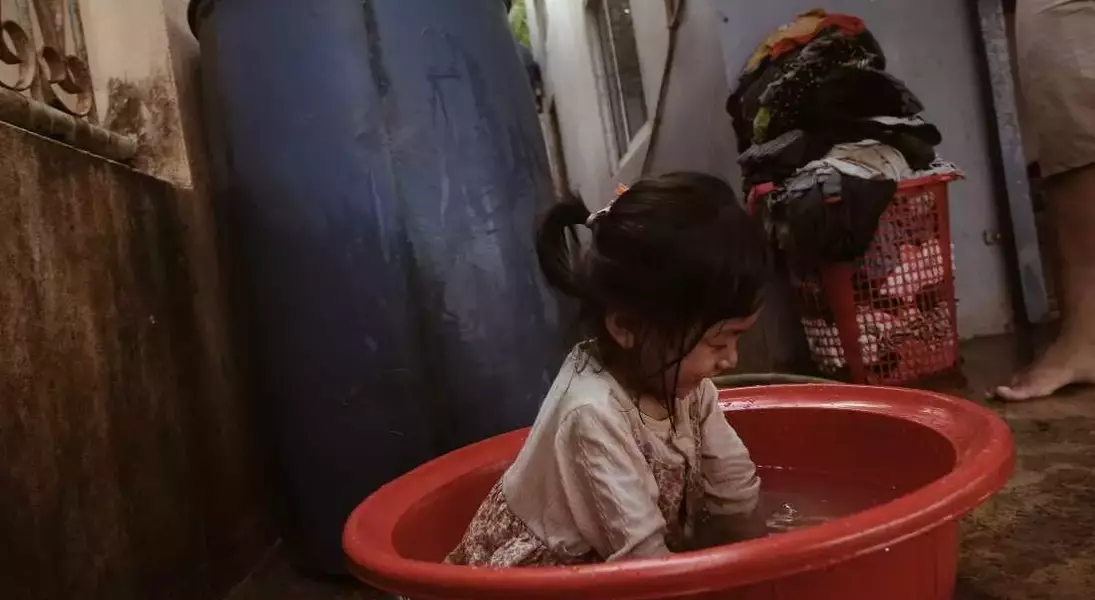
During their explorations of the areas surrounding the Siem Reap river, Castañeda Lee observed numerous children actively assisting their families with washing clothes, diligently scrubbing garments in circular basins.
The Collective Effort: Laundry as a Community Endeavor and Family Business
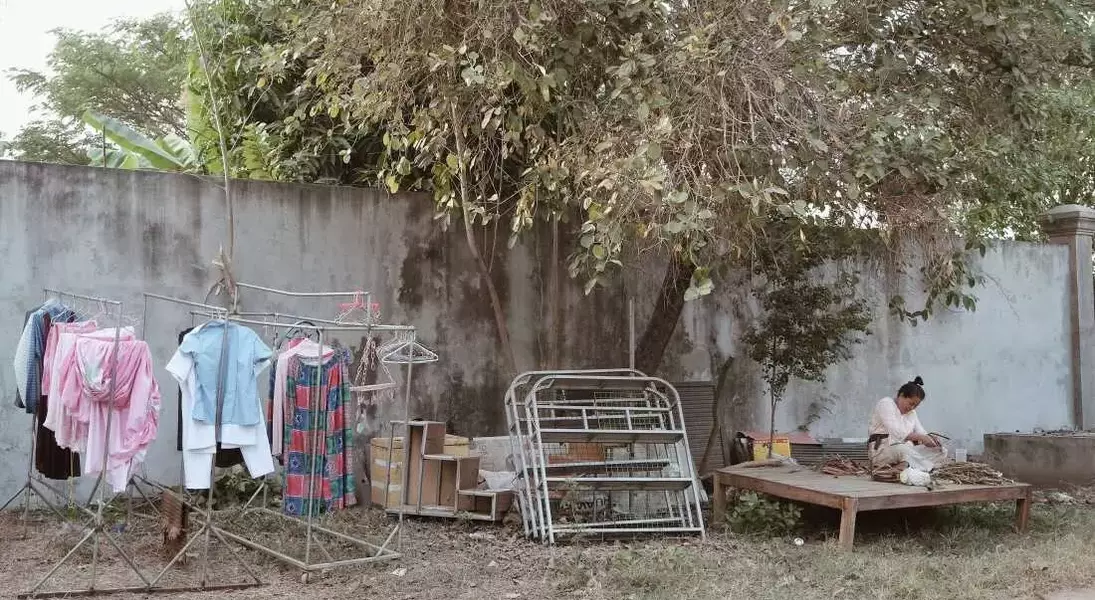
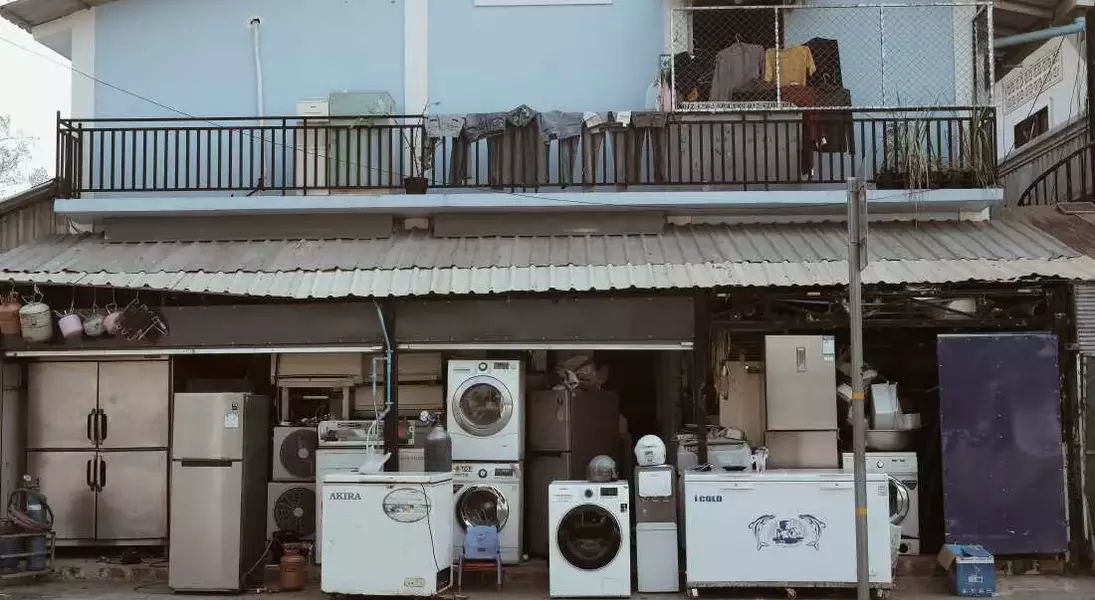
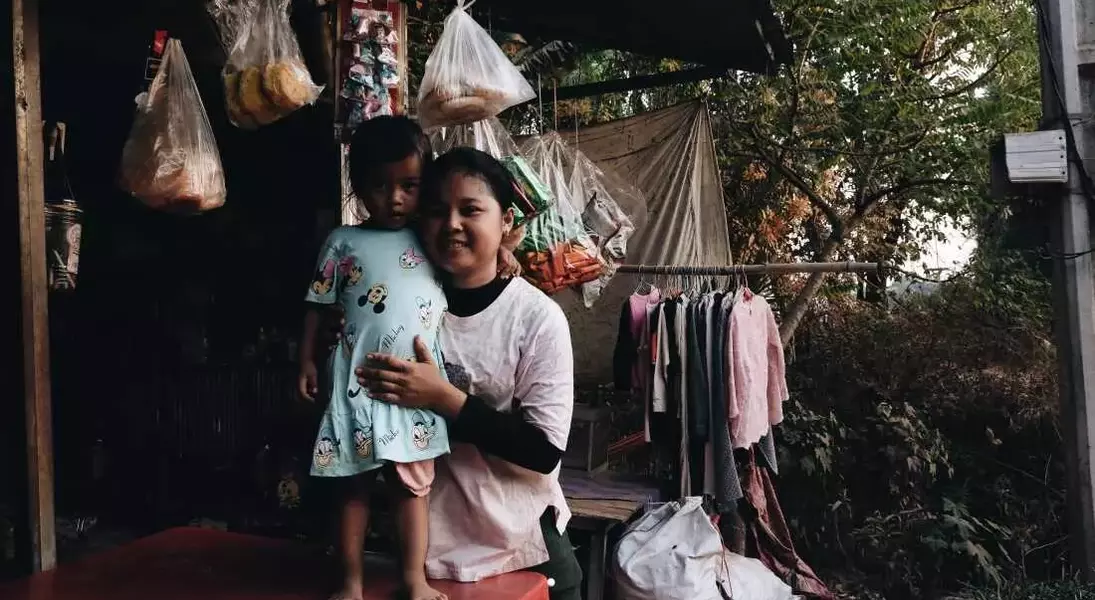
The absence of washing machines and dryers in this region makes handwashing and hang-drying essential practices for many laundry businesses and families. Many households manage multiple enterprises, exemplified by Vonn Da Li Na and his wife, who operate the P Salon & Laundry. Vonn Da Li Na shared with Castañeda Lee that his family dedicates hours to laundry for their business, in addition to their personal washing. He expressed a desire for a washing machine and other resources to expedite the process, but emphasized finding joy in their work and encouraging his daughter to participate playfully.
Castañeda Lee spent evenings with these families, noting the slow, meticulous labor involved in both laundry and rice farming. This dedication to daily tasks, often requiring immense effort and care, became for the photographer the true essence of laundry's symbolism.
Ingenuity and Adaptation: Making the Most of Available Resources
The Siem Reap River often serves as a primary water source for numerous laundry operations. Castañeda Lee noted the locals' reliance on natural resources, such as the river and sticks for hanging clothes, acknowledging that while practical, it might not always be the most hygienic method. Despite these limitations, laundry workers demonstrate remarkable ingenuity. Honme Thana, a mother of three and proprietor of a laundry business south of the river, exemplifies this resilience. She depends on the river for water due to limited access in her community, and as Castañeda Lee recounted, "She told me she's learning how to work with nature."
The Rhythm of Serenity: Finding Stillness in the Daily Grind
Castañeda Lee was particularly captivated by the tranquil atmosphere surrounding the act of doing laundry in these communities. The photographer observed that people were not engrossed in their phones while waiting for clothes to dry, often simply sitting in stillness. This observation resonated with Cambodia's Buddhist traditions, which value tranquility and contemplation. This unhurried approach to life profoundly shifted Castañeda Lee's own perspective.
The photographer intends to revisit Siem Reap to continue this series, recognizing that laundry, an enduring aspect of human life, will continue to evolve, yet will always mirror the hands and spirit of the community that engages in i
