This article delves into the transformative impact of road improvements on rural areas, highlighting the often-overlooked trade-offs between enhanced connectivity and the erosion of local charm and safety.
Smooth Paths, Shifting Realities: The Unforeseen Costs of Rural Paving
The Unexpected Change to a Familiar Path
A recent infrastructure project saw the familiar route behind the author's residence undergo a significant transformation. What was once a deteriorated surface, characterized by uneven patches and loose stones, was replaced with new, smooth paving. This alteration, while seemingly an improvement, brought with it a sense of disappointment and the loss of a certain rustic charm.
The Deteriorated Road's Hidden Benefits
The previous condition of the roadway, marked by its numerous imperfections, inadvertently served as a natural deterrent to excessive speeds. This rough surface compelled drivers to proceed cautiously, thereby limiting rapid transit and discouraging non-local individuals from using it as a shortcut. It contributed to maintaining a quieter, more isolated environment for the adjacent property.
Incidents on the Imperfect Thoroughfare
Despite its perceived drawbacks, the old road's condition played a role in two notable incidents. A landscaper, distracted and driving excessively fast, lost control and overturned a trailer. Similarly, another driver, also seemingly inattentive, veered off course, damaging property and narrowly avoiding a plunge into a nearby pond. These events underscored the inherent risks even on a less-traveled, rough path.
A Lifelong Connection to Unpaved Trails
The author recounts a personal history of navigating unpaved rural routes, often at considerable speeds, a practice that minimized the impact of surface irregularities. This experience, shaped by an era before ubiquitous digital distractions, contrasts sharply with contemporary driving habits, where technology often diverts attention from the road.
The Farmers' View on Road Surfaces
A vivid anecdote illustrates the unique perspective of farmers on road conditions. During a bus tour, the slow pace of the vehicle on a bumpy road prompted playful urging from the farmer passengers to accelerate. Their desire for speed was not merely about quick transit, but about achieving a momentum that would smooth out the road's undulations, turning discomfort into a thrilling, albeit bumpy, ride.
County's Initiative Versus Personal Sentiment
Despite the author's fondness for the old road's character and its implicit traffic-calming effect, local authorities deemed its condition unsatisfactory. This led to its eventual resurfacing, signaling a prioritization of conventional road standards over the more nuanced, experiential aspects valued by residents.
The Paving Process and its Immediate Aftermath
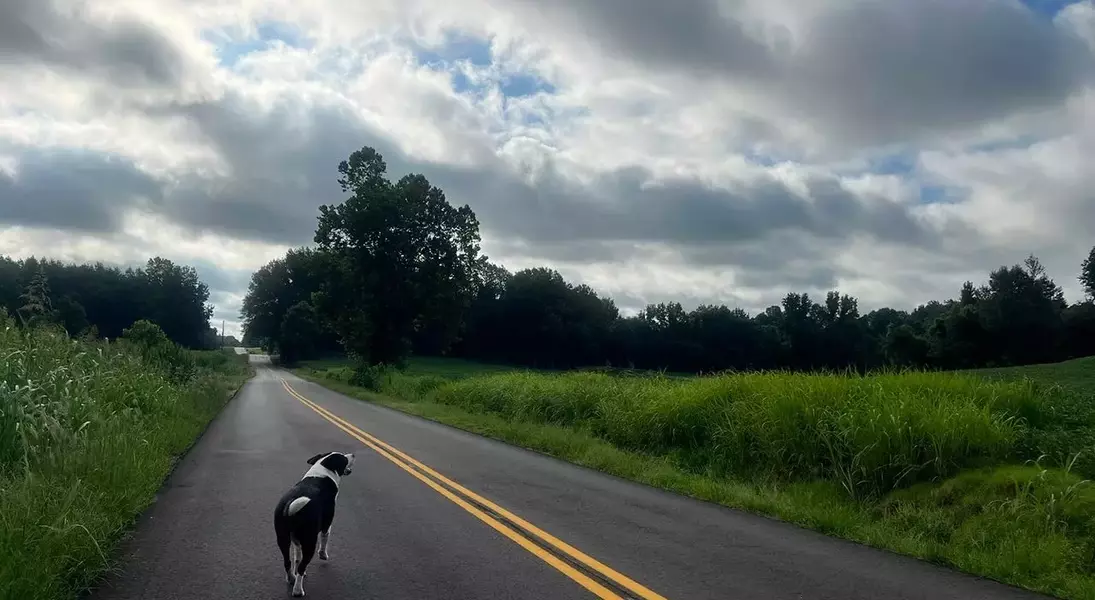
The renovation included the replacement of a damaged drainage pipe and the complete overhaul of the road surface. Observing the paving machinery was a fascinating spectacle. However, upon completion, the newly smooth and marked road saw an immediate surge in traffic, transforming it into a high-speed corridor, a stark contrast to its former quietude, despite the hilly terrain. The once-tranquil path now resembled a thoroughfare, making higher speeds potentially dangerous.
A Daily Ritual and Lingering Nostalgia
The road retains some of its seclusion, allowing for peaceful morning jogs without encountering other individuals. Yet, each instance of a vehicle exceeding the speed limit serves as a poignant reminder of the road's lost character. The author often finds themselves stepping off the newly paved surface, yearning for the days when the road's natural undulations dictated a slower, more deliberate pace of life.
