In an era of rapid technological evolution, a distinguished group of Indiana Master Farmers offers compelling perspectives on the integration of cutting-edge innovations within the agricultural landscape. These seasoned professionals, having navigated decades of change in farming trends and methodologies, underscore the critical role of technology in shaping the future of the industry. Their consensus points to an undeniable excitement about the opportunities presented by new advancements, advocating for a proactive approach to adopting smart solutions, all while critically assessing their practical and financial implications for farm operations. Their insights serve as a guiding beacon for current and future generations of farmers, emphasizing the need for continuous learning and adaptation to remain competitive and efficient.
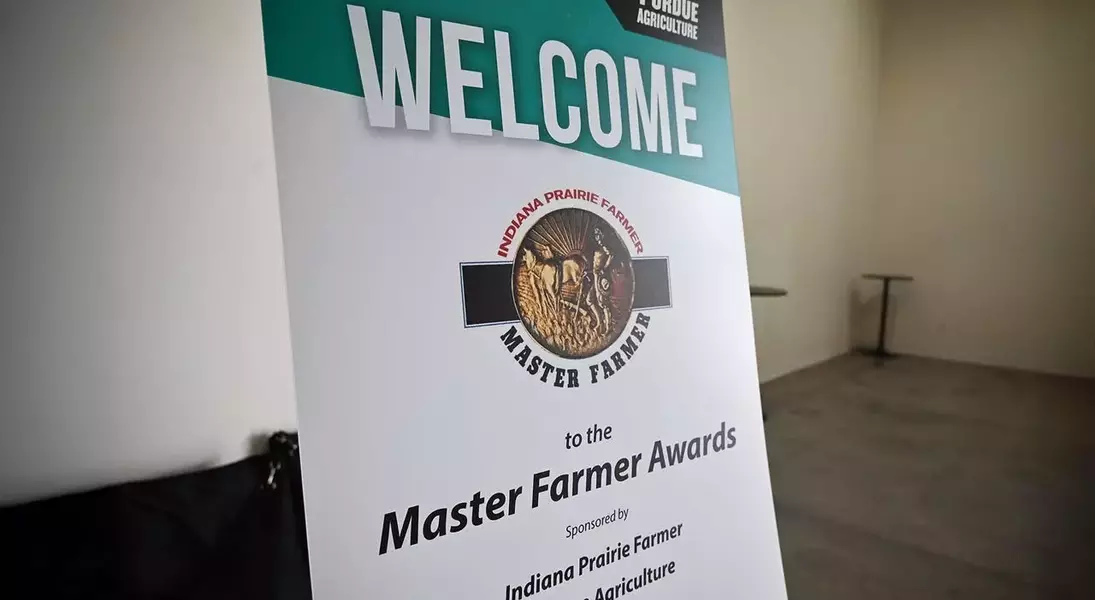
The 2025 Indiana Master Farmer class, an initiative supported by Indiana Prairie Farmer and the Purdue College of Agriculture, comprises several prominent figures who shared their views. Among them are Kent and Isabella Chism, Mark Kingma, Randy Matthys, Phil and Cindy Ramsey, and Scott Smith. Jim Mintert, serving as the 2025 Indiana Honorary Master Farmer, also contributed to this significant discussion. Their varied experiences converge on a shared vision for a technologically empowered agricultural future.
Kent Chism reflected on the remarkable shift from horse-powered farming to automated steering systems within his father's lifetime, asserting that the current technological frontier is merely scratching the surface of what's attainable. Mark Kingma expressed astonishment at the pace of progress, recalling early days of farming where even basic amenities like shade were a luxury, contrasting it with today's sophisticated machinery. He acknowledged the profound potential of emerging technologies but stressed the necessity of a sound financial basis to justify their adoption.
Randy Matthys highlighted the ongoing challenge of keeping pace with advancements such as autonomous tractors and precision spraying technology, advocating for strategic investment in these areas by the next generation. Phil Ramsey spoke of the exhilarating technological leaps witnessed during his career, confessing his youthful naiveté about the limits of farm equipment size and expressing optimism that technology holds solutions for many of agriculture's future challenges.
Cindy Ramsey provided a unique perspective, noting how personal devices have become integral to farm management, enabling remote monitoring of operations. Despite some apprehension towards fully autonomous machinery, she acknowledged the mind-blowing potential of technological progress. Scott Smith emphasized the constant evolution of technology, advocating for careful, evidence-based investment decisions. He illustrated the dramatic efficiency gains brought by technology, citing the transition from manual to automated tomato harvesting, drastically reducing labor requirements for the same output. Jim Mintert concluded by stressing the importance of continuous professional development for farmers to effectively evaluate and integrate new technologies into their operations, ensuring they remain at the forefront of the industry.
The collective wisdom from these Indiana Master Farmers paints a vibrant picture of an agricultural sector on the cusp of transformative change. Their narratives serve as a testament to the enduring spirit of innovation that characterizes farming, urging stakeholders to actively engage with technological advancements. The journey from traditional methods to smart farming systems is not just about adopting new tools, but about fostering a mindset of perpetual learning and strategic adaptation. This forward-looking perspective, grounded in decades of practical experience, ensures the resilience and prosperity of agricultural enterprises in an ever-changing world.
