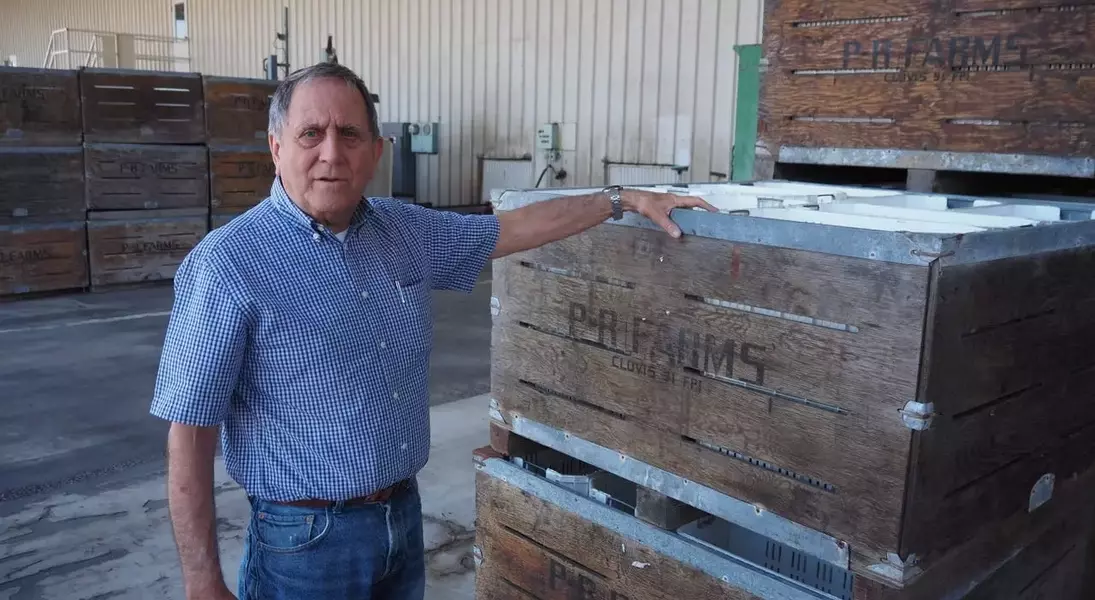
P-R Farms, a prominent agricultural enterprise in Clovis, California, has strategically focused on cultivating organic almonds and olives, establishing a unique market position. Despite a noticeable reduction in the premium prices historically commanded by organic produce, farm owner Pat Ricchiuti maintains a positive outlook on the long-term viability of organic farming. The farm, deeply rooted in generations of agricultural expertise, embraces diversification and adaptability, crucial for navigating the evolving landscape of the organic market. This commitment ensures the continuous delivery of high-quality organic products to consumers, affirming the enduring value of their specialized niche.
The family's agricultural legacy spans four generations, beginning with Vincenzo Ricchiuti's arrival from Italy in 1914. His initial endeavors in growing grapes and figs laid the groundwork for what would become P-R Farms. Over the decades, the business expanded and diversified under subsequent generations, incorporating plums, cotton, and eventually establishing a global reputation for premium fruits, nuts, and olive oil. Today, the farm integrates modern facilities, including an almond processing plant and an olive oil mill, to support its extensive operations. Despite challenges like reduced organic premiums, P-R Farms continues to innovate, focusing on sustainable practices and maintaining its heritage of quality production.
Embracing the Organic Niche
P-R Farms in Clovis, California, identified and successfully exploited a specialized market for organic almonds and olives in the late 2000s. The farm, under the leadership of Pat Ricchiuti, started cultivating organic almonds and planted olives in 2008, with the first olive harvest occurring in 2011. This strategic move was driven by a desire to enter a less saturated market segment, capitalizing on the emerging demand for organic produce. The decision to pursue organic certification, even as many others were transitioning, underscored their foresight in recognizing this burgeoning opportunity. Their commitment to vertical integration was evident early on, as they invested in olive oil processing equipment to produce their own extra-virgin olive oil, a venture that has steadily grown since its inception.
Cultivating organic almonds presents significant challenges, primarily related to pest management and fertilization, as Ricchiuti points out, requiring specific approved products rather than being 'purely organic' in the strictest sense. Approximately 25% to 30% of the farm's almond acreage, totaling about 1,000 acres, is dedicated to organic production, while its nearly 600 acres of olives are exclusively for extra-virgin oil. Although they briefly explored organic table olive production, market indifference led them to revert to conventional methods for that specific segment. The farm relies on approved organic pesticides and fungicides to ensure crop viability, acknowledging the complexities of maintaining organic standards. This approach, while challenging, allows P-R Farms to maintain its organic certifications and cater to a discerning consumer base, even as market dynamics continue to shift.
Navigating Market Shifts and Sustaining Growth
The organic sector, once a lucrative frontier for P-R Farms, has seen a compression in its premium margins. While organic almonds once commanded double the price of conventionally grown ones, this differential has significantly narrowed. This erosion of premium, coupled with lower yields from organic cultivation—sometimes as much as half that of conventional farming—has put pressure on profitability. The reduced margins also impact the ability to invest in more costly biological treatments necessary for organic farming. Similarly, the olive oil segment, while initially promising, has experienced diminishing premiums due to shifting consumer spending habits, with budget-conscious consumers becoming less willing to pay higher prices for organic options.
Despite these market headwinds and moments of contemplating scaling back organic operations, Pat Ricchiuti remains steadfast in his belief in the organic niche. He acknowledges that the growth of the organic market might not be as explosive as once projected, not expecting 50% of commodities to convert to organic. Nevertheless, he views organic farming as a fundamentally sound industry producing excellent products. While the production costs are high, the core mission of P-R Farms remains to provide consumers with enjoyable, high-quality produce. This long-term vision, combined with the farm’s rich history of diversification and adaptation, positions them to continue navigating market fluctuations and sustaining their unique contribution to the agricultural landscape.
