In an era where traditional farming confronts dynamic challenges, a young agriculturalist is forging a new path, merging ancestral wisdom with technological prowess. This narrative highlights how innovative solutions are not just improving efficiency and profitability but also fostering a more sustainable and balanced future for farming, ensuring the preservation of a cherished family legacy.
A New Era in Agriculture: Technology Drives the Future of Farming
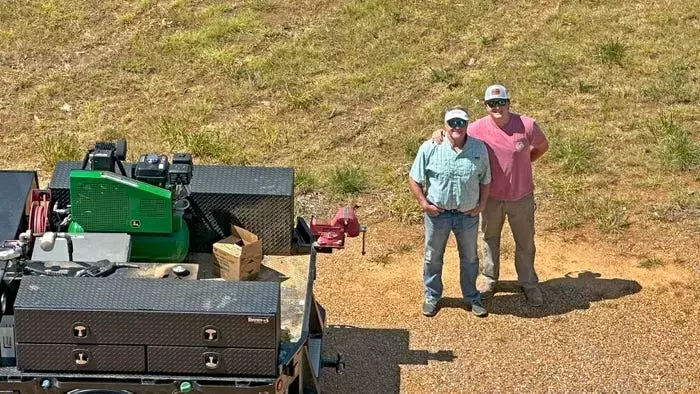
At the heart of Mississippi's fertile agricultural landscape, in the charming town of Senatobia, 26-year-old Cameron Massey is pioneering a tech-driven transformation of his family's expansive 5,000-acre row crop farm. As a proud third-generation farmer, Cameron is deeply committed to perpetuating his family's enduring legacy for future generations, much like his father, Craig Massey, did before him. Craig, who transitioned his operations from Tennessee to Mississippi in 1999 with a modest 500 acres, meticulously grew the farm, now known as Cam-Ali Farms—a name honoring Cameron and his sister—to ten times its original size. Today, the family proudly owns 85% of their cultivable land, a significant achievement given the escalating land values, which have surged from $1,700-$2,000 per acre to a striking $5,800-$8,500 per acre, often with limited availability.
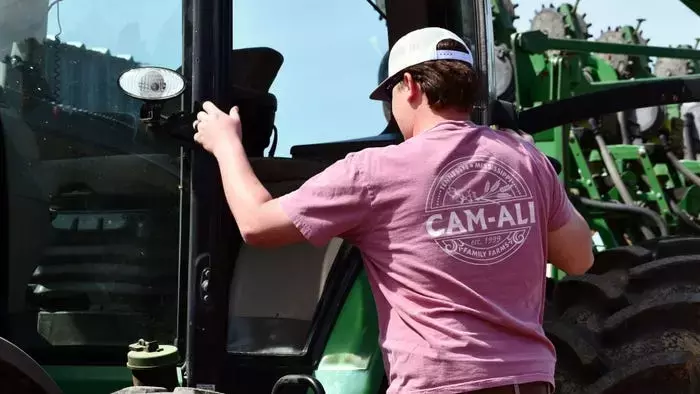
Cameron's strategic embrace of technology is central to navigating the complexities of modern farming. He has equipped every tractor and piece of machinery on the farm with the advanced JDLink telematics system. This comprehensive integration allows him to meticulously monitor equipment performance, pinpoint inefficiencies like excessive fuel consumption from idling, and make data-driven decisions on fleet optimization. This proactive approach significantly reduces operational costs and streamlines maintenance, as immediate alerts notify him of any mechanical issues, enabling swift troubleshooting and part procurement through digital platforms like John Deere's MyDealer or even third-party sources like Amazon, drastically cutting down on downtime across their 150-mile operational radius.
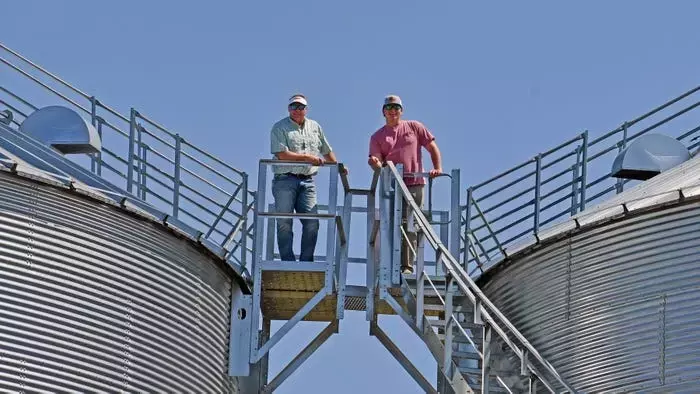
Beyond machinery, Cameron employs technology for critical agronomic decisions. By leveraging historical yield data from each field, also compiled through JDLink, he expertly selects the most resilient and productive crop varieties, primarily corn and soybeans, with occasional rotations of cotton, grain sorghum, and wheat depending on market prices. This analytical method is crucial for mitigating risks inherent in farming and maximizing yields. Furthermore, the strategic use of on-farm grain bins allows Cam-Ali Farms to dry and store harvests, enabling them to wait for optimal market prices. This practice not only enhances profitability but also improves worker morale by distributing labor more evenly throughout the year, especially during the demanding harvest season, thus avoiding grueling 100-hour workweeks.
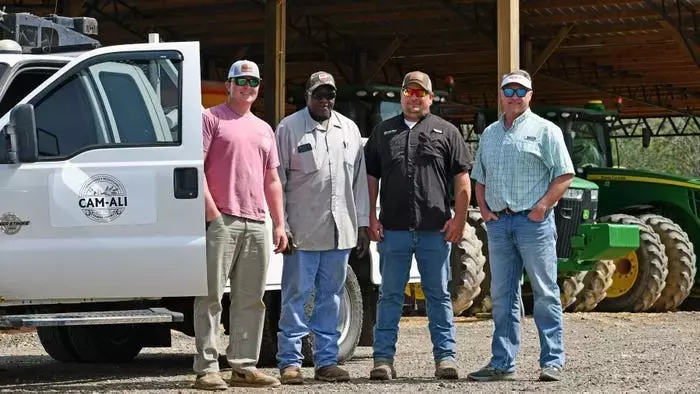
Cameron, alongside his father Craig, and dedicated team members like Kirk Reece and Phillp Henry, exemplify how a blend of generational knowledge and modern innovation can lead to a thriving agricultural enterprise. Their teamwork, enhanced by real-time data, allows them to efficiently manage daily operations, troubleshoot challenges remotely, and collectively work towards a prosperous future for Cam-Ali Farms.
A Vision for Tomorrow: Cultivating Resilience and Innovation in Agriculture
The journey of Cameron Massey and Cam-Ali Farms offers a compelling testament to the evolving face of agriculture. It underscores a crucial lesson: the future of farming lies not just in tilling the soil, but in cultivating innovation and adaptability. From a journalistic perspective, this story highlights the resilience and forward-thinking spirit necessary for modern agricultural success. It's a vivid reminder that while the romanticized image of farming often conjures up images of simpler times, the reality is a high-stakes, technologically intricate business. For every young person considering a future in agriculture, Cameron's narrative serves as a beacon, demonstrating that passion for the land, combined with an eagerness to embrace new technologies, can transform traditional challenges into opportunities. His commitment to integrating advanced systems, from equipment telematics to data-driven crop selection and strategic grain storage, illustrates that innovation is no longer an option but a necessity for sustainability and profitability. As readers, we are inspired to recognize that preserving our agricultural heritage demands more than just hard work; it requires a continuous commitment to learning, adapting, and innovating, ensuring that the legacy of farming endures and flourishes in an ever-changing world.
