When summer's bounty of sweet corn is at its peak, understanding how to preserve its delicate flavor becomes paramount. Freezing offers an excellent method to retain the corn's natural sweetness and tenderness, ensuring you can savor it long after the harvest season concludes. This guide delves into the most effective techniques for preparing and storing corn, focusing on methods that maximize quality and convenience. From the decision to freeze kernels versus whole ears to the debate surrounding pre-freezing blanching, every aspect is considered to help you achieve perfectly preserved corn for any culinary application.
Sweet corn's inherent sugars rapidly convert to more complex starches following harvest, leading to a noticeable decline in flavor. This metabolic shift underscores the urgency of proper preservation. For those with an abundance of corn or a desire to enjoy its vibrant taste throughout the year, freezing emerges as the premier solution. This process halts the enzymatic activity responsible for starch conversion, effectively locking in the corn's peak sweetness and texture.
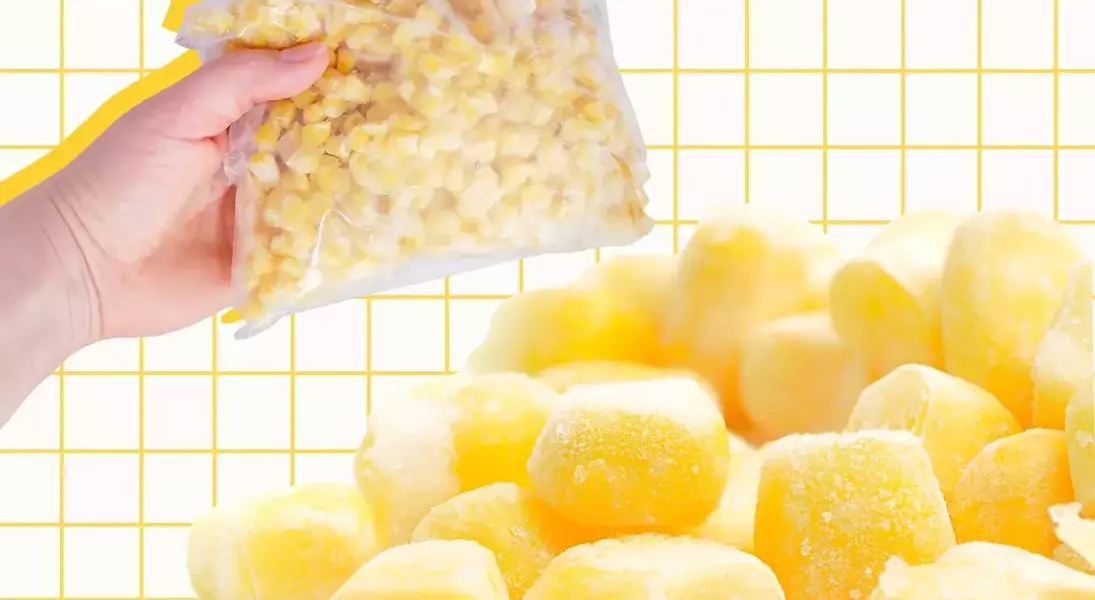
A critical decision in the corn freezing process involves choosing between whole ears and individual kernels. Opting for kernels offers significant advantages. Primarily, this approach optimizes storage space, allowing for a greater quantity of corn to be frozen within the same area. Furthermore, frozen kernels seamlessly integrate into various dishes, such as casseroles, salads, soups, and baked goods, making them a versatile ingredient. While a reheated ear of corn may not capture the fresh-off-the-cob experience, defrosted kernels maintain their integrity and flavor in prepared meals.
Another benefit of freezing individual kernels is their quicker freezing time. Rapid freezing is crucial as it minimizes the formation of large ice crystals. Smaller ice crystals inflict less cellular damage, thereby preserving the corn's texture and preventing it from becoming soft or mushy upon thawing. This principle aligns with a technique sometimes referred to as \"cryo-blanching,\" where freezing itself contributes to a cooked-like texture without compromising the corn's inherent freshness.
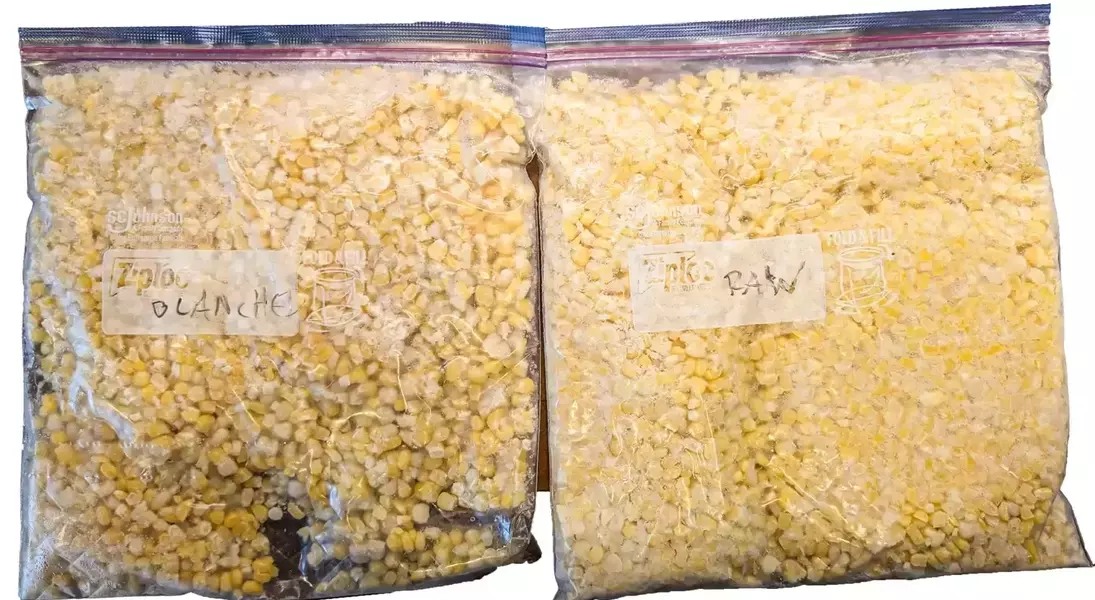
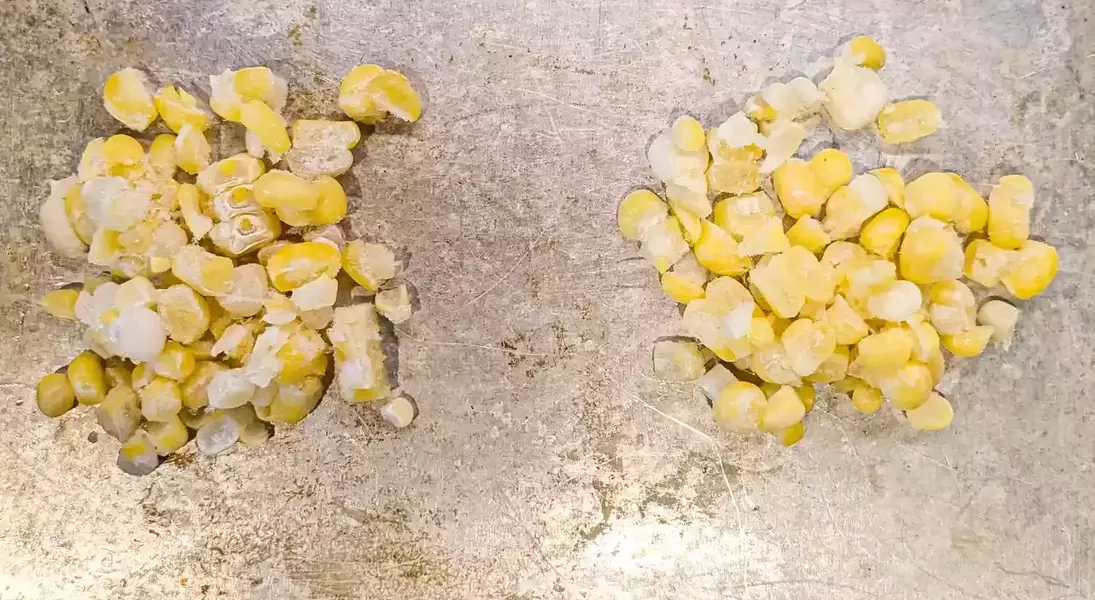
The question of whether to blanch corn before freezing is a common point of discussion. Blanching traditionally inactivates enzymes that can degrade produce quality over time. Experimental trials comparing blanched and unblanched frozen corn have shown surprisingly little difference in taste and texture after defrosting. The freezing process itself, through the formation of ice crystals, appears to tenderize the corn, mimicking some effects of blanching. While skipping the pre-cooking step offers a shortcut, blanching can still be considered a safeguard against potential quality degradation from enzymatic changes during prolonged storage. Ultimately, both methods yield satisfactory results, but blanching provides an added layer of assurance.
To guarantee the highest quality for your frozen corn, several key practices should be observed. Begin by freezing the kernels flat on baking sheets to accelerate the freezing process and swiftly seal in their freshness. Once solid, transfer the frozen kernels into freezer bags, removing as much air as possible to ensure efficient storage and faster thawing. Double-bagging provides an extra layer of protection against freezer burn. Always label your bags clearly with the date and, if desired, the weight or volume, which aids in meal preparation. For thawing, utilizing aluminum baking sheets leverages their excellent heat conduction properties, allowing the corn to defrost quickly at room temperature. Prompt use after thawing will ensure the corn retains its optimal texture and flavor, ready to enhance your culinary creations.
