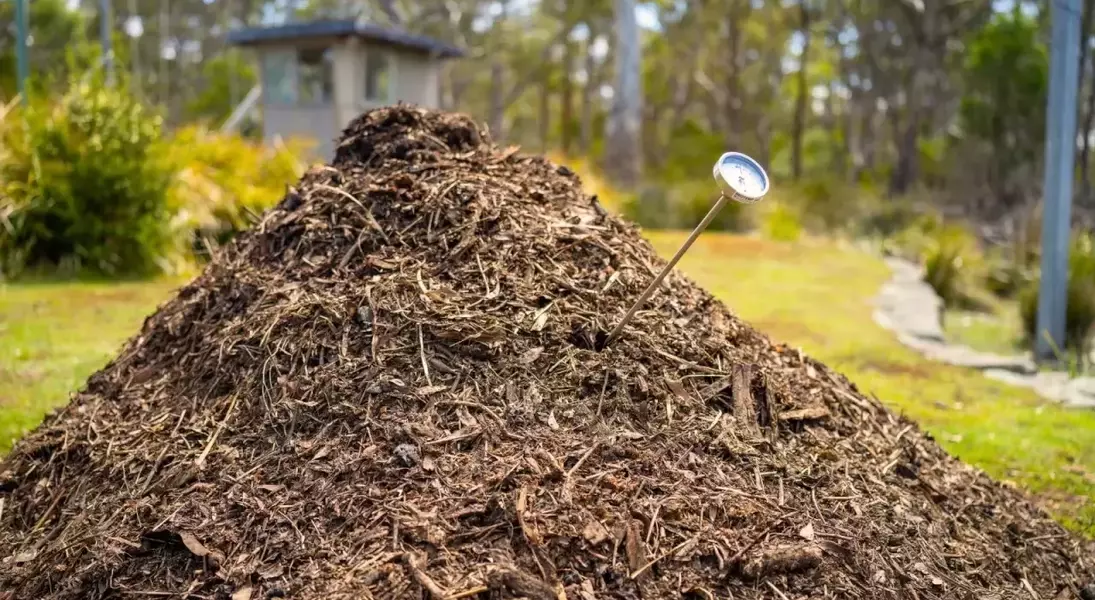




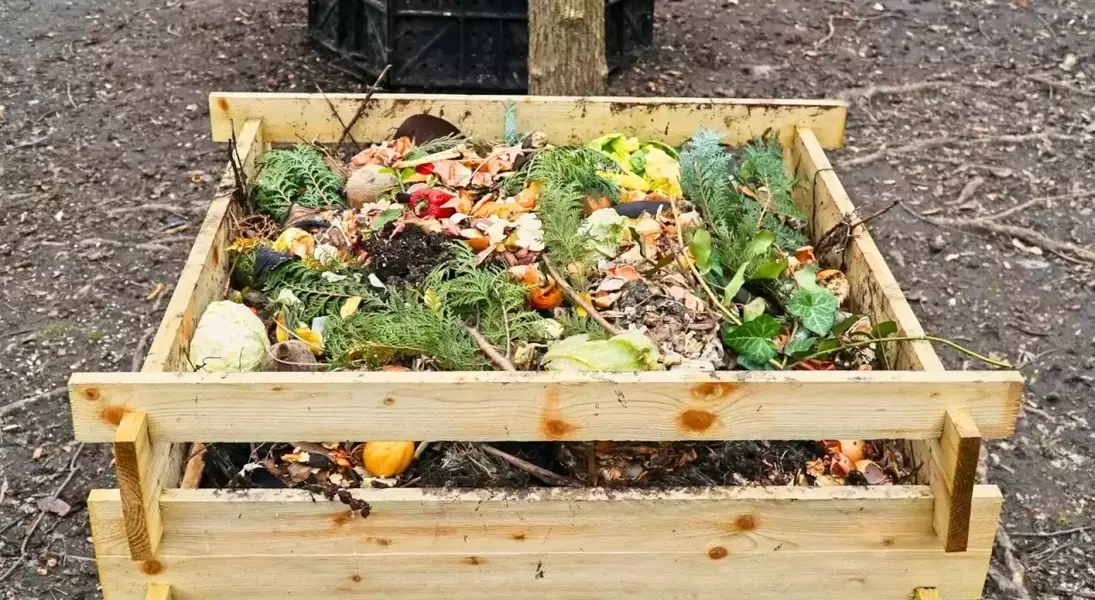
Accelerating the composting process is crucial for producing high-quality, nutrient-rich soil amendments efficiently. A well-managed compost pile can yield usable material in as little as four weeks, provided the right conditions are met. Central to this rapid transformation is the delicate equilibrium between \"green\" (nitrogen-rich) and \"brown\" (carbon-rich) materials, ensuring a thriving microbial environment. Composting not only enriches soil structure and enhances water retention but also plays a vital role in waste reduction by diverting organic matter from landfills, thereby mitigating methane emissions. While most organic waste is suitable, it's prudent to exclude meat, dairy, diseased plants, and invasive weeds to maintain the health and efficacy of the compost.
Effective aeration and consistent moisture are paramount for an expedited composting cycle. Regular turning of the compost pile every three to four days infuses it with oxygen, fostering aerobic decomposition and raising the internal temperature, which is critical for quick breakdown. Alternatively, passive aeration can be achieved by incorporating perforated PVC pipes into the pile or designing compost bins with gaps to facilitate airflow. Simultaneously, maintaining optimal moisture levels— akin to a damp sponge —is essential for the activity of detritivores and microbes that break down organic matter. Adequate watering, particularly during turning or layering, ensures these microscopic workers can move freely and efficiently process materials. However, over-watering can hinder the process, leading to anaerobic conditions and unpleasant odors.
Beyond physical management, the strategic addition of specific materials and careful control of pile dimensions can further boost compost readiness. Introducing nitrogen-rich substances like fresh grass clippings, leaves, or kitchen scraps, along with specialized inoculants, can reinvigorate a sluggish pile. The golden rule is to maintain an approximate three-to-one ratio of brown to green materials to sustain the necessary balance for vigorous decomposition. Moreover, the physical size of the compost pile is a significant factor; ideal dimensions, around one cubic yard (3x3x3 feet), prevent the pile from becoming either too small to generate sufficient heat or too large and unwieldy to manage effectively. Adhering to these guidelines ensures a robust and efficient composting system.
By embracing these scientifically sound and practical approaches to composting, individuals and communities contribute to a more sustainable future. The act of transforming organic waste into a valuable resource not only benefits agricultural endeavors but also embodies a commitment to environmental stewardship. Cultivating healthy soil through mindful composting creates a positive ripple effect, promoting ecological balance and fostering a deeper connection with the natural world, ultimately leading to a more resilient and harmonious environment for all.
