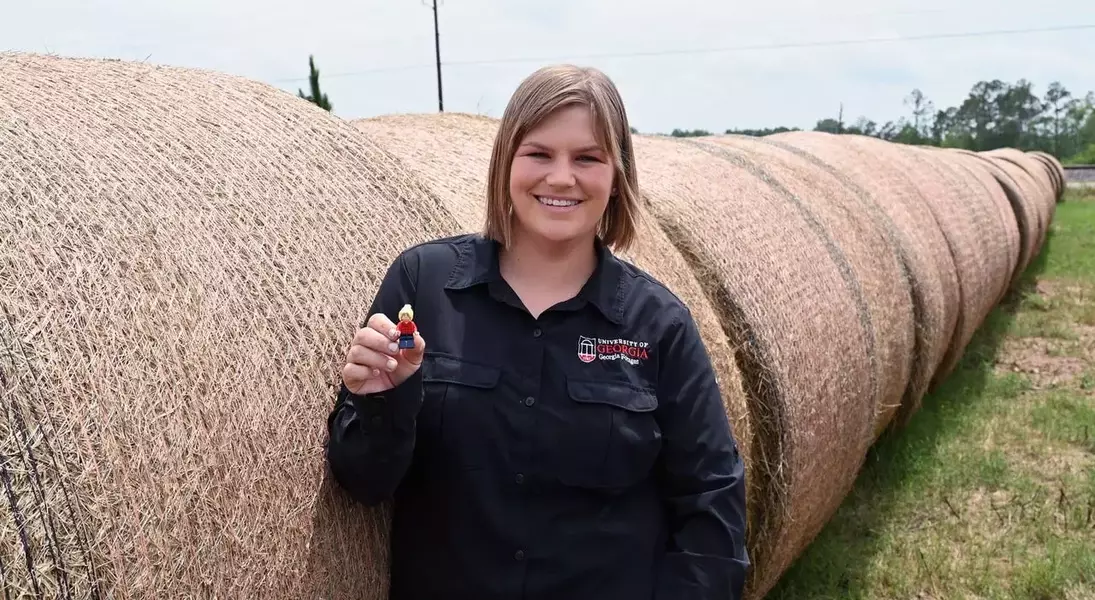
Harnessing two decades of expertise from the Southeastern Hay Contest, agricultural specialists have distilled the essential elements that distinguish top-tier forage producers. This esteemed competition, now in its twenty-first year, is not merely about recognizing excellence but, more crucially, about fostering an understanding of what constitutes superior hay quality. The contest's rigorous evaluation, which prioritizes the relative forage quality irrespective of the plant species or packaging method, underscores a core principle: informed production leads to optimal outcomes. This enduring emphasis on quality has seen the contest evolve significantly, expanding its reach from a local event to a multi-state challenge spanning 13 states, from Oklahoma to Virginia, consistently drawing a substantial number of entries, particularly from Georgia. Such widespread participation highlights the shared commitment within the agricultural community to elevating forage standards.
Drawing from this extensive dataset, five critical practices consistently emerge among the most successful forage cultivators. Firstly, timing is paramount: harvesting forage at its optimal growth stage, such as Bermuda grass every 30 days or annuals and legumes before 10% bloom, ensures peak nutritional content. Secondly, operational readiness is key; successful producers meticulously maintain their equipment, minimizing downtime, especially during narrow, weather-dependent harvesting windows. Thirdly, proactive testing of harvested hay is indispensable. Understanding the precise nutritional profile of hay allows producers to formulate cost-effective supplementation strategies, preventing unnecessary expenses. Fourthly, annual soil analysis in hay fields is crucial for maintaining soil fertility, as continuous harvesting depletes nutrients far more rapidly than grazing. Finally, while nitrogen is often prioritized for growth, astute producers recognize the profound impact of potassium on plant health, density, and longevity, which in turn mitigates undesirable ash content and boosts overall forage quality. These practices, collectively, form the bedrock of high-quality forage production.
Beyond individual practices, the Southeastern Hay Contest itself exemplifies a dynamic pursuit of agricultural excellence and innovation. Its continuous adaptation, including the introduction of new categories like baleage and diverse hay types, reflects a responsiveness to evolving industry needs and a dedication to inclusivity for all producers with managed hay fields. This adaptive spirit, coupled with robust industry sponsorship, underscores a collaborative ecosystem that champions knowledge sharing and progress. The contest culminates in the recognition of outstanding achievements, reinforcing the idea that success in agriculture is a blend of scientific understanding, diligent application, and a willingness to embrace new insights. By focusing on quality and efficiency, the agricultural community not only enhances livestock nutrition but also fosters sustainable and economically viable farming practices, contributing positively to food security and environmental stewardship.
