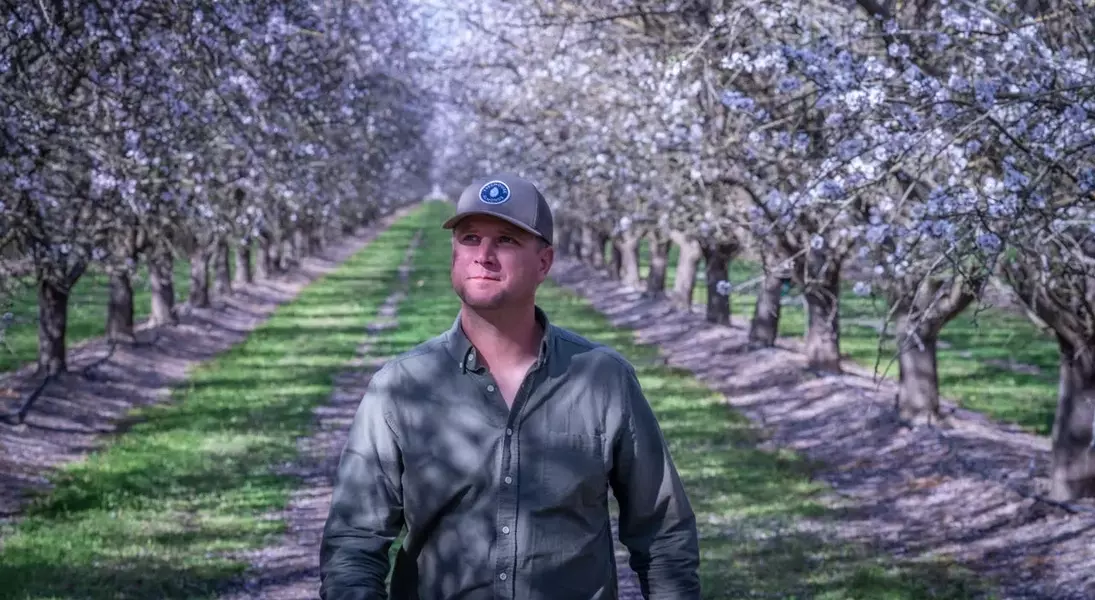
Organic agriculture is currently navigating a period of significant difficulty, marked by escalating operational expenses, plummeting market prices for goods, and persistent labor concerns. Despite these formidable obstacles, dedicated cultivators in the organic sector are resolute in their commitment to fostering enduring and robust agricultural enterprises that can be successfully transferred to successive generations. Their strategy hinges on leveraging the premium prices commanded by organic produce to counteract reduced yields, while simultaneously prioritizing superior product quality and supply chain transparency to captivate a new demographic of consumers. This steadfast dedication underscores a fundamental belief in the long-term viability and growth potential of organic farming, even in the face of prevailing economic pressures and market volatilities.
Amidst the complexities of the contemporary agricultural landscape, organic farmers are demonstrating remarkable resilience and forward-thinking approaches. They are not merely striving to survive but are actively investing in practices that ensure the longevity and prosperity of their farms. This includes meticulous attention to soil health, biodiversity, and ethical labor practices, which collectively contribute to the integrity of their organic certification and resonate deeply with consumers seeking ethically produced food. The resolve of these growers to overcome current market adversities through innovation and a focus on core organic principles serves as a beacon of hope for the broader agricultural community, illustrating that with patience, determination, and a clear vision, sustainable farming models can indeed thrive and adapt to changing conditions.
Navigating Economic Realities in Organic Production
Organic agriculture is currently contending with a challenging economic climate, as growers face a dual pressure of rapidly increasing input costs and a noticeable decline in commodity prices. This squeeze on profit margins is particularly acute for products like organic almonds, where the investment cycle is long and market fluctuations can have profound effects. Farmers in this sector are finding that the traditional advantages of organic premiums are sometimes insufficient to fully compensate for the higher expenses associated with their cultivation methods and the lower yields often inherent in organic practices.
In response to these financial pressures, organic farmers are strategically relying on the price premiums their products command. For example, organic tomatoes fetch significantly higher prices than conventionally grown varieties, though these premiums vary. Producers are also keenly aware of the delicate balance between premium pricing and consumer willingness to pay, recognizing that overly high prices could drive consumers towards conventional alternatives. This awareness spurs a continuous drive for innovation, not just in production efficiency but also in maintaining and enhancing the unique qualities, such as superior taste, that differentiate organic produce in a competitive market.
Cultivating Future Demand and Transparent Practices
The long-term viability of organic farming hinges significantly on attracting and retaining a new generation of consumers who are increasingly mindful of their food choices. Organic farmers are proactively engaging with this demographic by emphasizing the holistic story behind their products, which extends beyond mere production to include the meticulous care for the environment and the fair treatment of workers. This narrative resonates powerfully with younger buyers who seek transparency and ethical standards in the food they consume.
Furthermore, the organic community is championing enhanced transparency across the supply chain as a crucial element of sustainability and market differentiation. Initiatives like Fair Trade certification provide a verifiable platform to showcase ethical labor practices, building trust and reinforcing the commitment to social responsibility. In regions where supply chains are fragmented, such as the global almond market, there's a growing push for greater traceability to ensure consumers can confidently connect products to their origins. This commitment to transparency and ethical production, coupled with a focus on taste and quality, serves as a vital safeguard for multi-generational farms, ensuring their ability to adapt and flourish despite persistent challenges.
